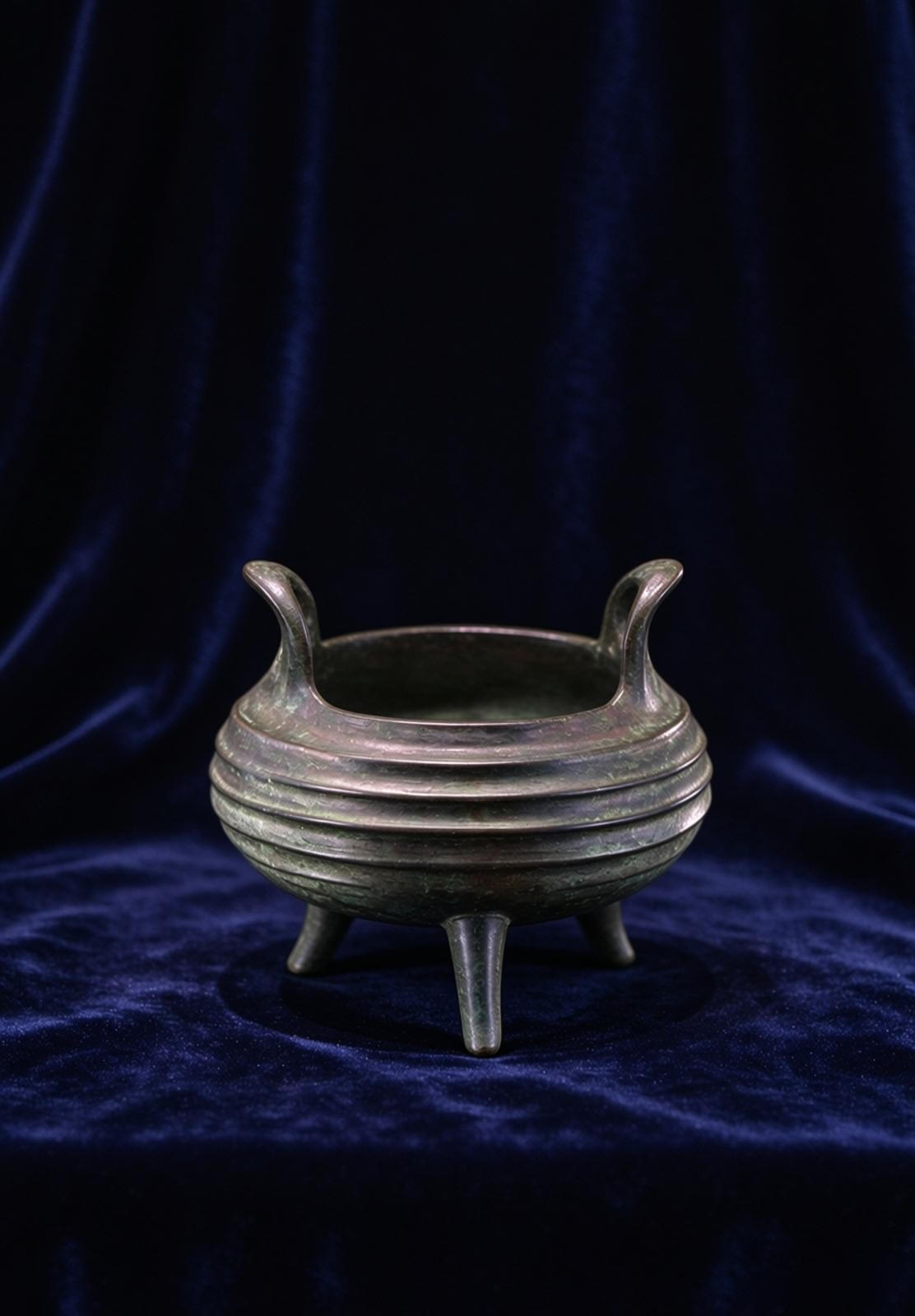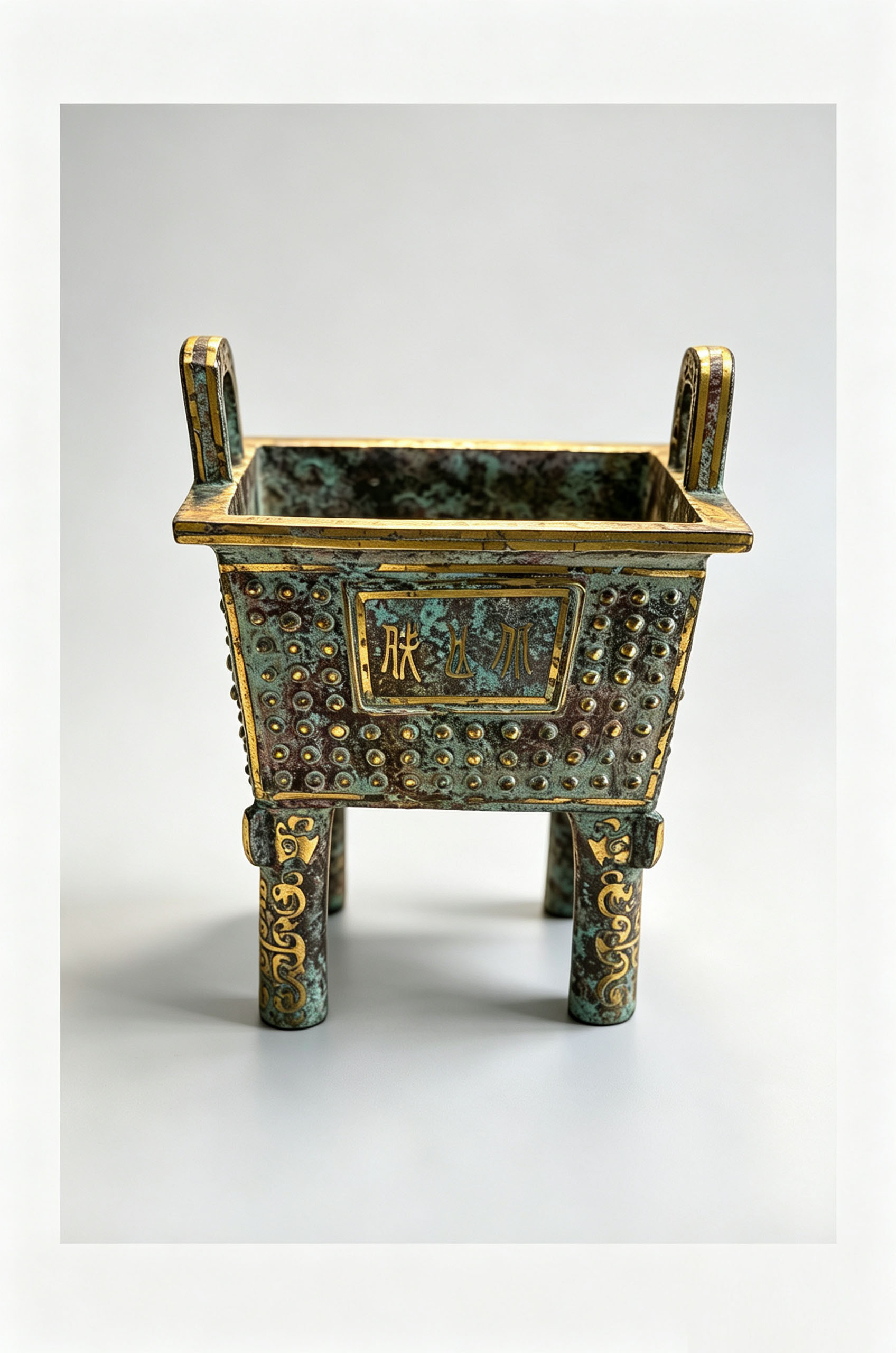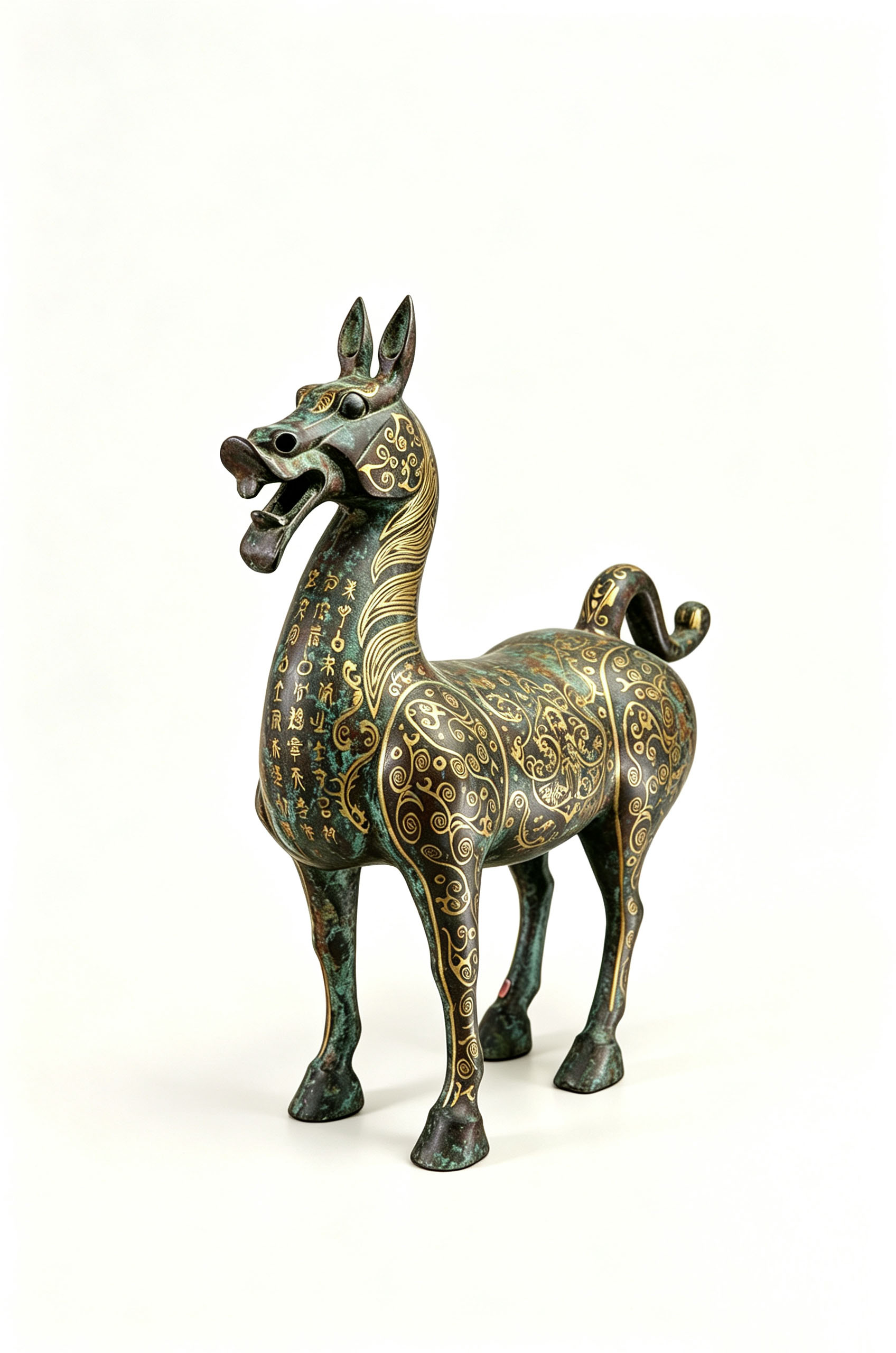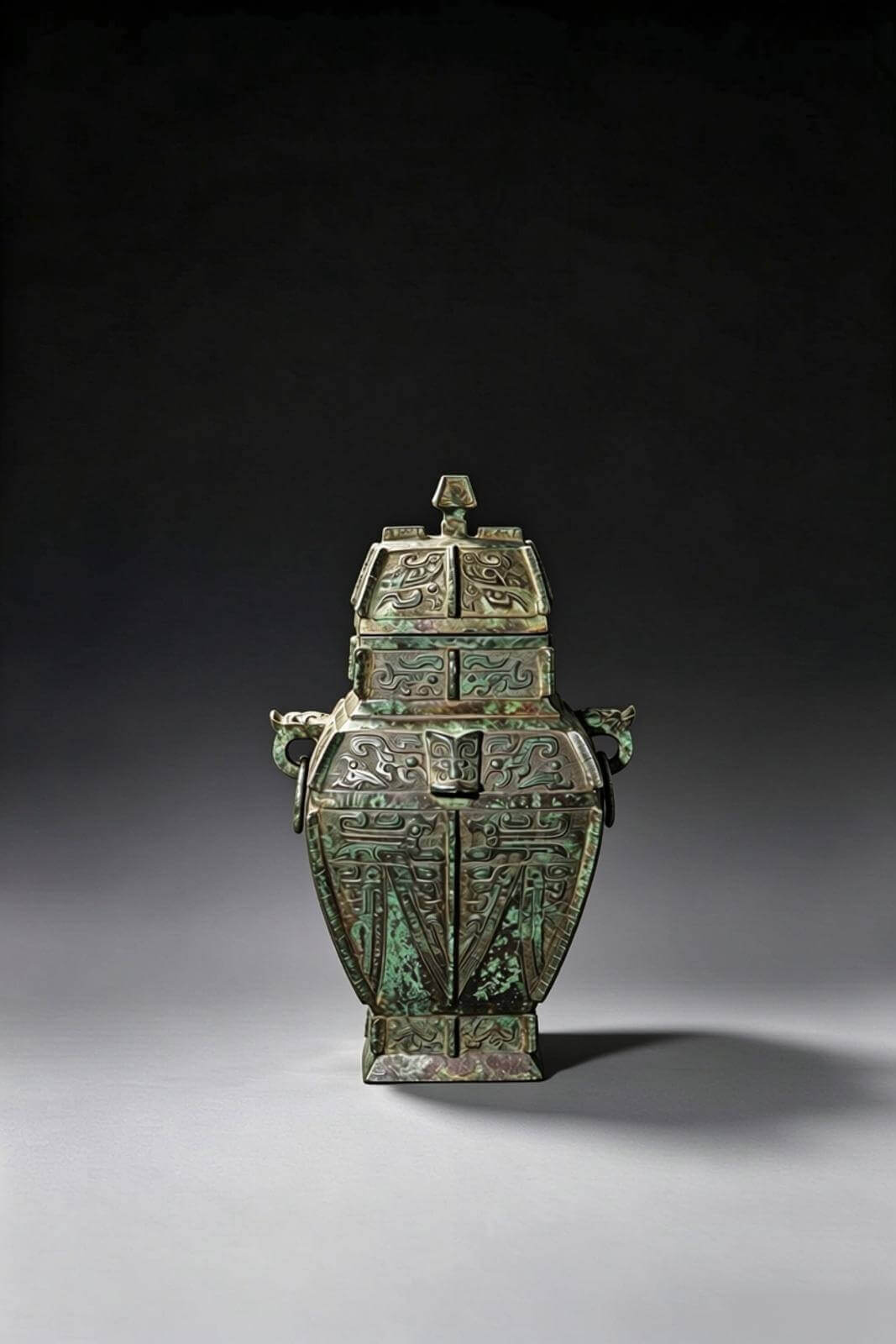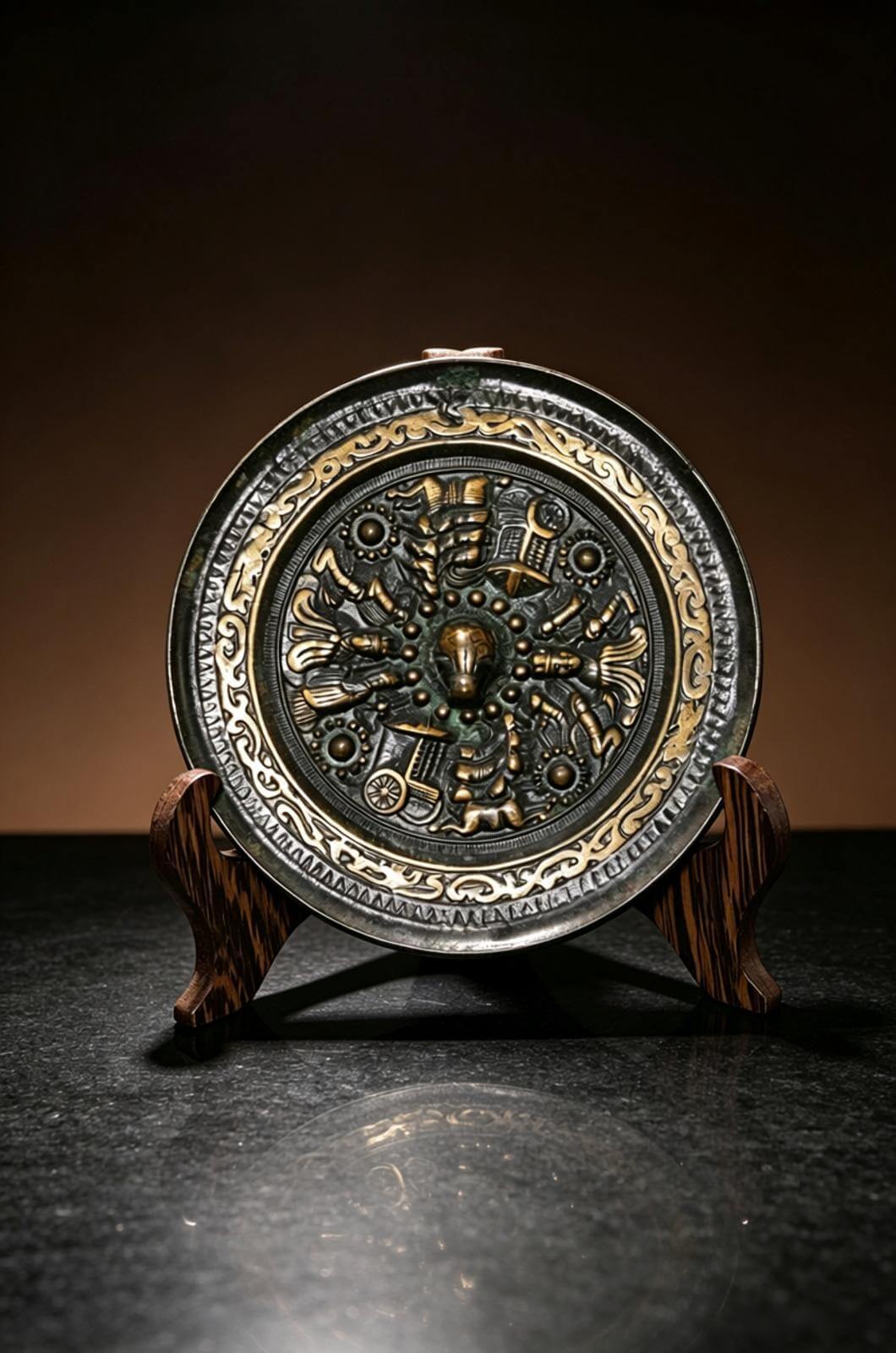
提到中国青铜器,人们会想到司母戊鼎、四羊方尊、曾侯乙编钟。巨大、精美、庄重。
但很少有人问一个问题:这些铜,是从哪儿来的?
中原并不产铜。中国的青铜文明,其实是被一条远方的铜矿带养起来的。
青铜,其实是"铜锡合金"
先澄清一件事:青铜不是纯铜。
纯铜太软,做不了刀剑,也做不了大鼎。真正能用的青铜,是铜加锡(有时也加铅)的合金。
配比大致是:铜 80–90%,锡 10–20%。锡的比例越高,合金越硬,但太脆。所以工匠要按用途调整配比——礼器可以多锡,兵器要少锡。
这就意味着:青铜器需要两个矿——铜矿和锡矿。
中原地区两样都缺。中国的铜矿和锡矿,主要在南方。
铜矿在哪里
中国已探明的大型铜矿,主要分布在三个区域。
把这三个区域标在地图上,会发现一个规律:都在中原的外围,但都不远。
尤其长江中下游铜矿带,是青铜时代最重要的资源。湖北大冶的铜绿山古铜矿遗址,从商代一直开采到汉代,前后一千多年。
考古发现,这里遗留了数十万吨古代矿渣。换算下来,至少炼出了几万吨铜。
这些铜,最终流向了中原,变成了商周王室的礼器和兵器。
铜是怎么运到中原的
从长江中下游到中原(今天的河南),直线距离几百公里,中间隔着山脉和河流。
青铜时代没有车马大道。运输靠两条路:
一条是水路。长江中游的铜料装船,走汉水北上,到南阳一带上岸,再转运到洛阳、安阳。这条水路后来成为"随枣走廊"——一条重要的南北通道。
一条是陆路。翻山越岭,用人背马驮,成本极高。只有高价值的铜锭才值得走陆路。
无论哪条路,铜料都要经过多个中转站。这些中转站逐渐发展成了城市,也成了商周王朝控制南方资源的据点。
从某种意义上说:青铜时代的政治,就是一场关于铜矿的争夺。
青铜时代结束,也是因为铜
公元前 5 世纪左右,中国进入铁器时代。青铜器的地位开始下降。
为什么?因为铁更容易获得。
铁矿遍布各地,几乎任何地方都能找到。铁器的冶炼温度要求更高,但一旦技术成熟,成本就比青铜低得多。
青铜需要铜矿 + 锡矿,两个远方的资源都要运。铁只需要铁矿,本地就能解决。
所以铁器时代到来,本质上是能源和资源地理的一次重构。
青铜时代的结束,不是因为青铜不好用,而是因为铁更便宜、更普及。
今天我们看一件商周青铜器,会欣赏它的纹饰、铭文、铸造工艺。
但它的背后,是一条从长江中下游到中原的铜料之路,是一整套采矿、冶炼、运输、铸造的系统。
青铜器不只是艺术品,也是一个古代供应链的终点。
而这条供应链的起点,是一座南方的铜矿。
Mention Chinese bronzes and people think of the Houmuwu ding, the Four-Ram Zun, the bells of Marquis Yi of Zeng. Huge, refined, solemn.
But few ask: where did all that copper come from?
The Central Plains produced no copper. China's bronze civilisation was in fact fed by a distant copper belt.
Bronze Is Actually a Copper-Tin Alloy
First, a clarification: bronze is not pure copper.
Pure copper is too soft — no swords, no great cauldrons. Usable bronze is copper alloyed with tin (sometimes also lead).
The typical ratio: 80–90% copper, 10–20% tin. The more tin, the harder the alloy — but also more brittle. So craftsmen adjusted by use: ritual vessels could take more tin, weapons less.
This means: bronze requires two mines — copper and tin.
The Central Plains had neither. China's copper and tin were mainly in the south.
Where the Copper Was
China's major copper deposits are concentrated in three regions.
Put these on a map and a pattern emerges: all outside the Central Plains, but not far.
The middle-lower Yangtze belt was the most important resource of the Bronze Age. The Tonglushan ancient mine at Daye, Hubei, was worked from the Shang dynasty through the Han — over a thousand years.
Archaeologists have found hundreds of thousands of tonnes of ancient slag. That translates into at least tens of thousands of tonnes of refined copper.
That copper flowed to the Central Plains, becoming the ritual vessels and weapons of the Shang and Zhou courts.
How Copper Reached the Plains
From the middle-lower Yangtze to the Central Plains (today's Henan) is a few hundred kilometres as the crow flies — with mountains and rivers in between.
In the Bronze Age there were no great highways. Transport ran two ways:
One, by water. Copper from the middle Yangtze was loaded onto boats, moved north via the Han River, landed near Nanyang, and transshipped to Luoyang and Anyang. This route later became the "Sui-Zao Corridor" — a key north-south passage.
Two, overland. Over mountains, carried by men and pack animals, at enormous cost. Only high-value copper ingots justified the overland route.
Either way, the copper passed through multiple transit points. These grew into cities and became the Shang-Zhou dynasty's strongholds for controlling southern resources.
In a sense: Bronze Age politics was a struggle over copper mines.
The Bronze Age Also Ended Because of Copper
Around the fifth century BC, China entered the Iron Age. Bronze began to decline.
Why? Because iron was easier to obtain.
Iron ore is found almost everywhere. Iron smelting requires higher temperatures, but once the technology matured, the cost fell far below bronze.
Bronze required copper plus tin — two distant resources, both transported. Iron required only iron ore, available locally.
So the arrival of the Iron Age was, at heart, a geographic reorganisation of energy and resources.
The Bronze Age ended not because bronze was inferior, but because iron was cheaper and more widespread.
Today, looking at a Shang-Zhou bronze, we admire its decoration, its inscriptions, its casting.
But behind it lies a copper road from the middle-lower Yangtze to the Central Plains — a whole system of mining, smelting, transport, and casting.
A bronze vessel is not only a work of art. It is the end point of an ancient supply chain.
And the start of that chain was a copper mine in the south.