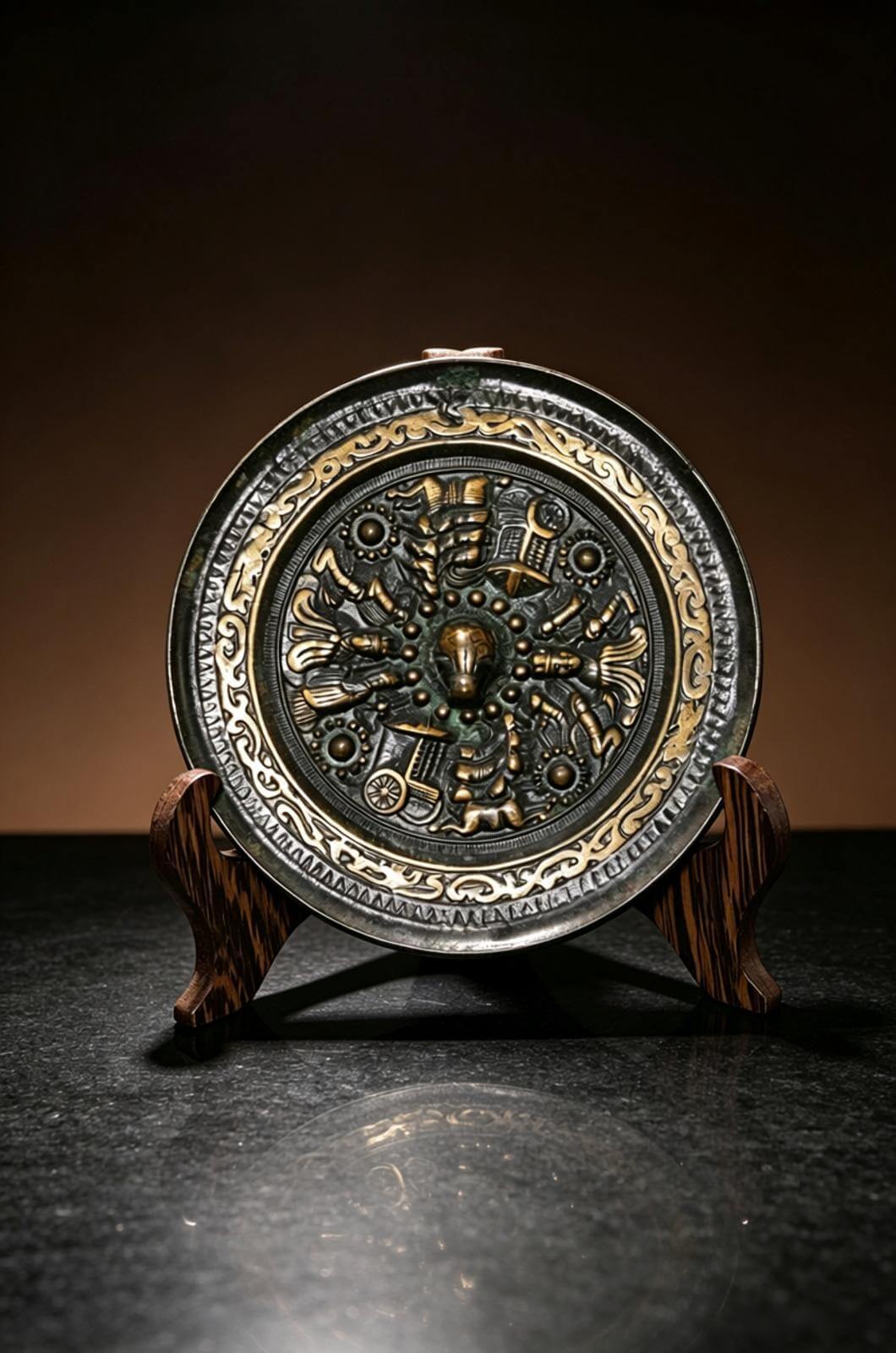
假设两件同时代的青铜鼎,一件出土于河南安阳,一件出土于湖南长沙。
放在一起,你几乎认不出它们来自同一个时代。
一件灰绿沉稳,锈层薄而紧实,纹饰清清楚楚;另一件红绿斑驳,锈层厚得像一层铠甲,原纹饰几乎被盖住。
这不是铸造工艺的差别,也不是年代的差别。这是土壤的差别。
青铜不是"生锈",是"长锈"
青铜是铜和锡的合金。埋在土里,它不是简单地"氧化",而是与土壤里的水、氧气、酸碱性物质、微生物,发生一场长达几百年的化学反应。
这场反应的结果,就是锈色。
不同的土壤,给青铜不同的锈。
三种环境,三种锈色。看锈,大致就能判断它从哪里来。
北方坑:薄、紧、亮
北方降水少,土壤偏碱,透气性好。青铜埋在里面,反应慢,锈层薄。
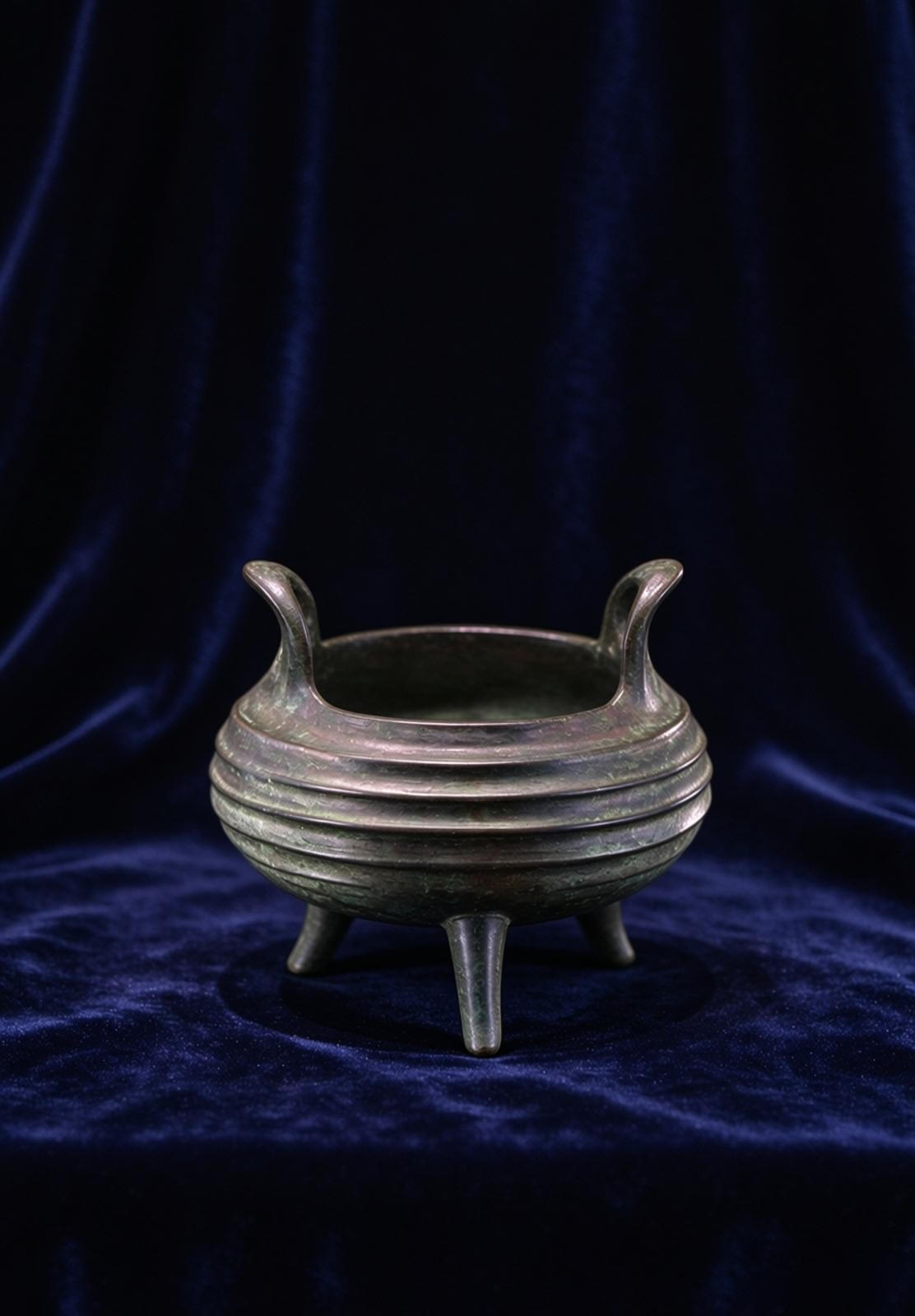
最常见的锈色是灰绿和蓝绿——这是最典型的北方青铜锈。锈层往往只有薄薄一层,紧贴器面,纹饰清晰可见。
北方坑里最受追捧的,是一种叫黑漆古的锈色——一种致密的黑褐色氧化层,光亮如漆。它不是"锈",更像青铜自己长出的一层"皮"。行里人说,黑漆古是北方坑的极品。
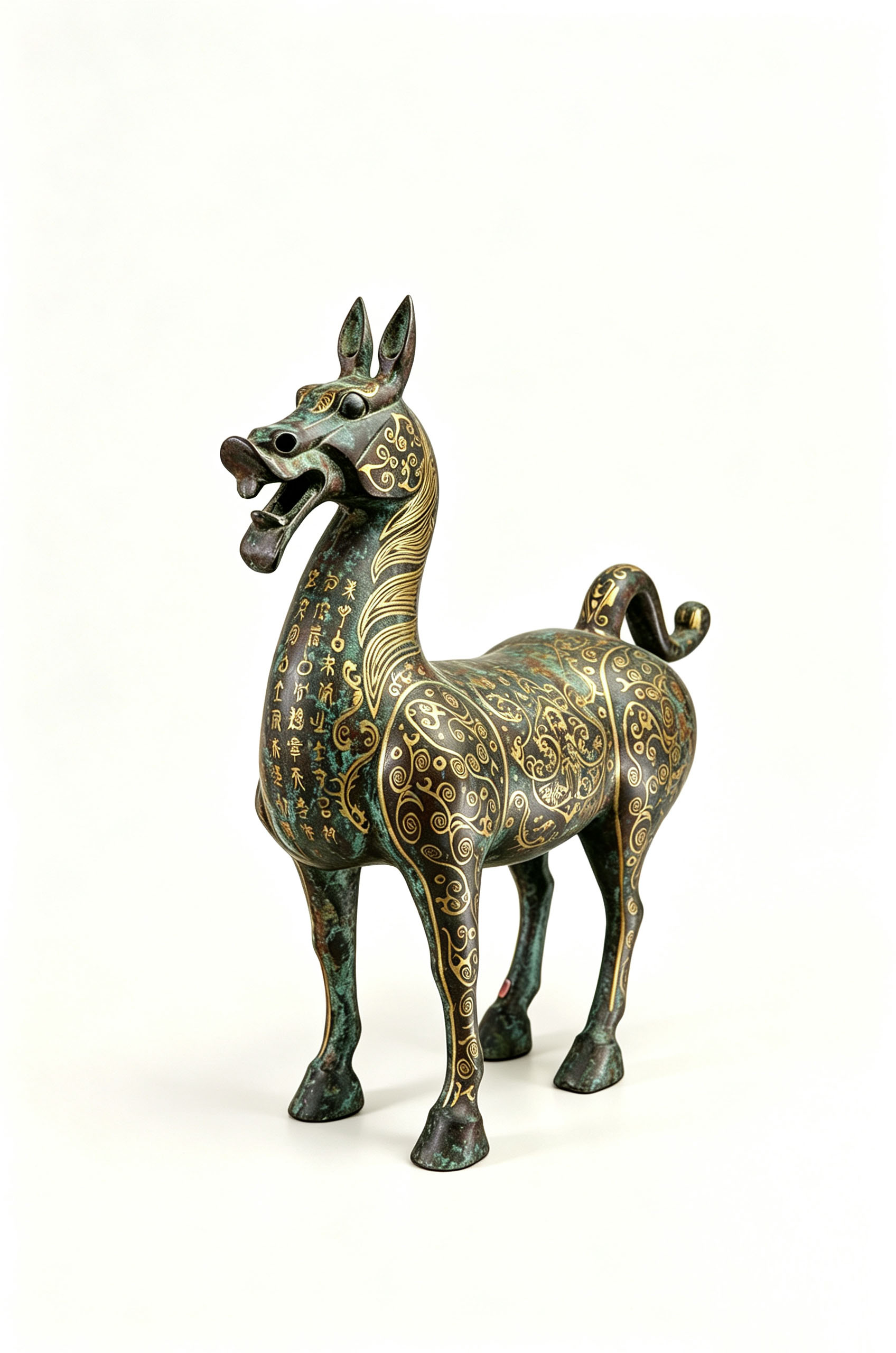
还有局部出现的绿松石色——细腻、鲜艳、不刺眼,也是北方坑特有的锈色。
北方锈的特点:薄、紧、亮。
南方坑:厚、艳、松
南方降水多,土壤偏酸,地下水丰富。青铜埋在里面,反应快,锈层厚。
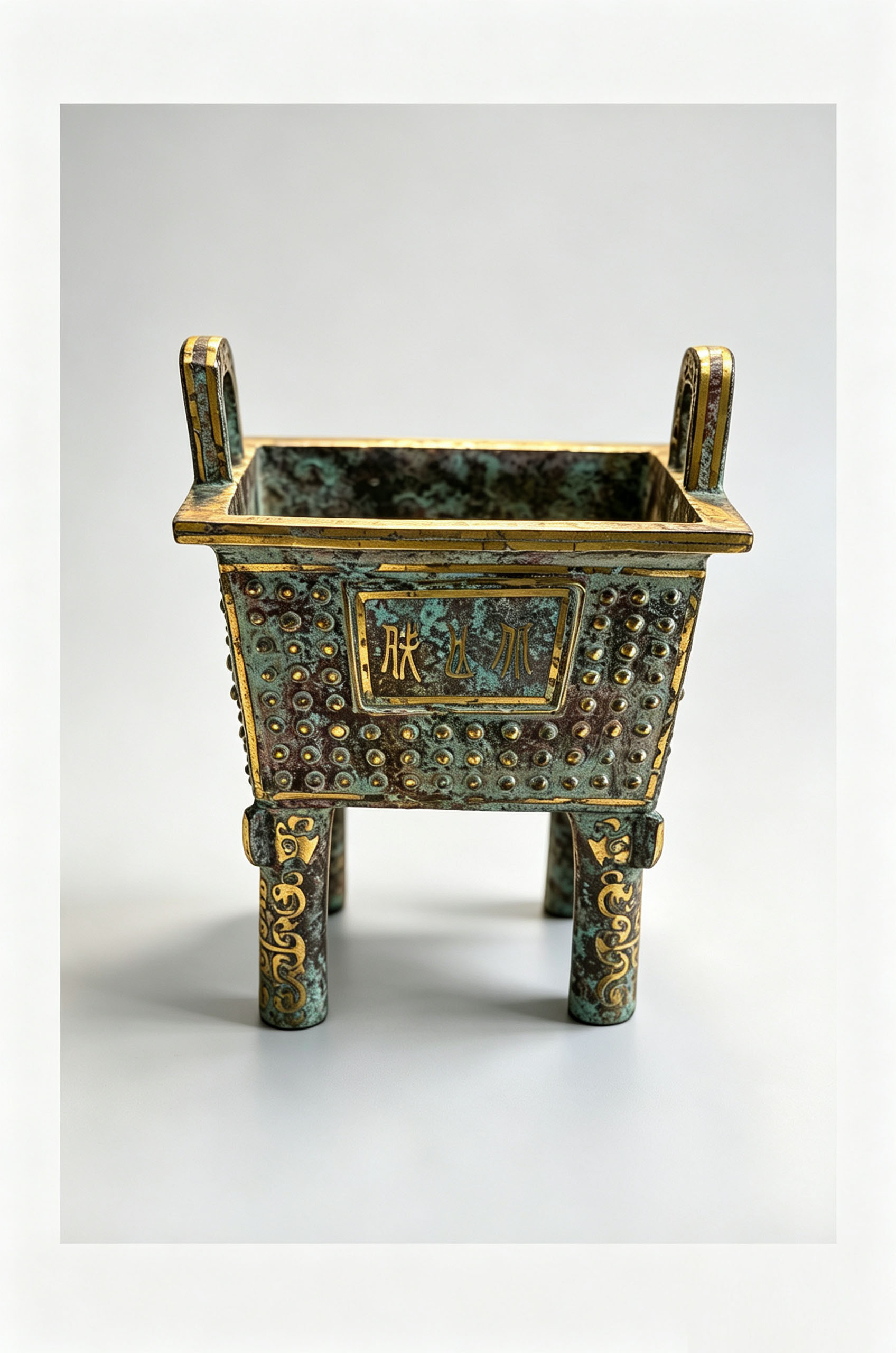
最常见的锈色是红锈和绿锈——颜色鲜艳,但质地疏松,有时一碰就掉。
南方坑里还有一种特别的锈,叫水银沁——表面有一种银灰色的光泽,像涂了一层水银。它不是真的水银,而是长期在潮湿环境中形成的一种特殊氧化层。
有些南方坑青铜,因为埋得太久、环境太湿,整件器身被沁成深褐或黑褐色,原纹饰完全看不见。这类器物在市场上通常不受欢迎,但在收藏圈里,另有一批人专门收——因为那种深沉的锈色,是北方坑永远做不出来的。
南方锈的特点:厚、艳、松。
水坑:第三种环境
还有一种情况:青铜长期泡在水里。
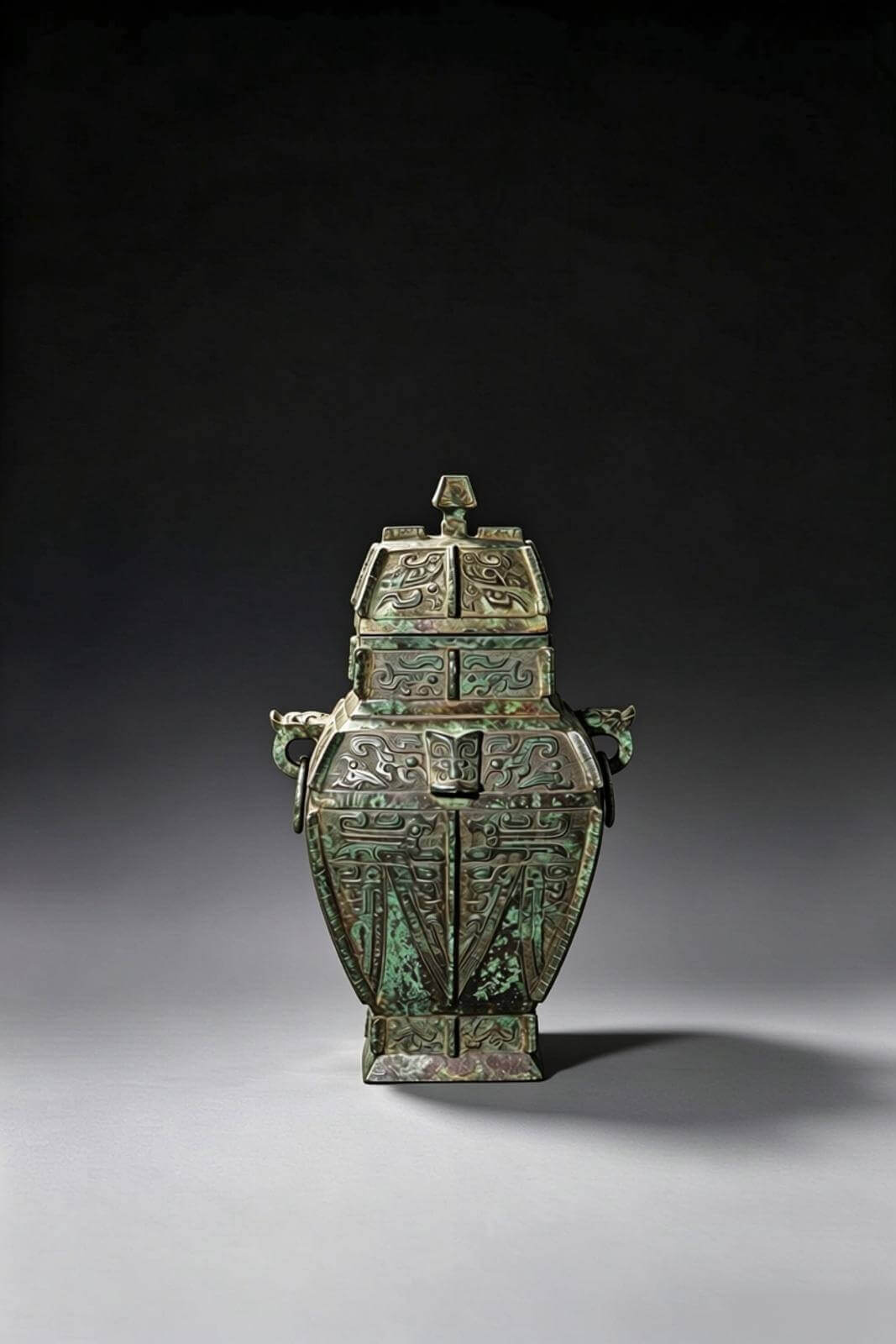
水里的氧气比土里少,所以反应更慢。这会产生一种特别的水坑锈——颜色偏青灰,质地相对均匀,表面有时还有一层"水银光"。
水坑青铜往往保存得比较好,因为缺氧环境对金属的侵蚀最小。但水坑器物有一个麻烦:一旦离开水,锈层容易开裂。所以水坑青铜出土后需要特别保养,不能放在太干的地方。
行里有一句话:"水坑出精品。"不是没有道理——水坑青铜的器形和纹饰,往往比南方坑清楚得多。
看锈识坑,不是看锈定价
新手常问:哪种锈最值钱?
这是一个错误的问题。锈色没有高低之分,只有真假之分。
北方坑的黑漆古好看,南方坑的水银沁同样珍贵,水坑的青灰锈另有一番味道。三种锈,三种美。
真正要警惕的,是假锈——用化学药品快速做出来的锈。假锈颜色呆板、层次单一、没有"根"。真锈是从胎骨里长出来的,假锈是涂在表面的。
所以看锈,最终是为了看真伪,而不是看价格。
一件青铜器的锈色,是它在地下几百年、几千年里,与土壤、水、空气对话的结果。
北方给了它灰绿,南方给了它红褐,水坑给了它青灰。
下次你看到一件青铜器,别急着问"值多少钱"。先看看它的锈——那是它埋藏之地的身份证。
Imagine two bronze ding vessels from the same period. One is unearthed in Anyang, Henan. The other in Changsha, Hunan.
Place them side by side, and you would hardly believe they came from the same era.
One is grey-green, calm, with a thin, tight patina and clear decoration. The other is mottled red and green, encrusted like armour, its original decoration almost buried.
This is not a difference in casting technique, nor in date. It is a difference in soil.
Bronze Doesn't "Rust" — It "Grows Patina"
Bronze is an alloy of copper and tin. Buried in soil, it does not simply "oxidise". It enters a centuries-long chemical conversation with water, oxygen, acids, alkalis, and microorganisms in the soil.
The result of that conversation is patina.
Different soils give bronze different patinas.
Three environments, three patinas. Read the patina and you can roughly tell where it came from.
Northern Pit: Thin, Tight, Bright
The north has little rainfall, alkaline soil, and good drainage. Buried there, bronze reacts slowly and the patina stays thin.
The most common colours are grey-green and blue-green — the classic northern bronze patina. It is often only a thin layer, clinging to the surface, with decoration still clearly visible.
The most prized northern patina is called black lacquer — a dense dark brown oxide layer, glossy as lacquer. It is not really "rust", but more like a skin the bronze has grown. Dealers say black lacquer is the finest of northern patinas.
There is also local turquoise green — fine, vivid, not garish, unique to northern pits.
Northern patina: thin, tight, bright.
Southern Pit: Thick, Vivid, Loose
The south has heavy rainfall, acidic soil, and a high water table. Buried there, bronze reacts quickly and the patina grows thick.
The most common colours are red rust and green rust — vivid, but loose, sometimes flaking at a touch.
The south also produces a special patina called mercury stain — a silvery grey sheen on the surface, as if coated in mercury. It is not real mercury, but a special oxide layer formed in long-term humid conditions.
Some southern bronzes, buried too long in too wet a place, are stained entirely deep brown or black-brown, with no decoration visible. These are often unpopular on the market, but a dedicated circle of collectors actively seeks them out — because those deep tones cannot be produced in the north.
Southern patina: thick, vivid, loose.
Water Pit: A Third Environment
There is another case: bronze submerged in water for centuries.
Water holds less oxygen than soil, so the reaction is slower. This produces a special water-pit patina — grey-blue, relatively even, sometimes with a silvery sheen.
Water-pit bronzes often survive well, because low-oxygen conditions are the least corrosive to metal. But they have one problem: once removed from water, the patina can crack. They need careful conservation and cannot be kept too dry.
There is a saying in the trade: "Water pits produce masterpieces." It is not without reason — water-pit bronzes often preserve their form and decoration far better than southern-pit pieces.
Read Patina for Origin, Not for Price
Newcomers often ask: which patina is the most valuable?
That is the wrong question. Patina has no hierarchy — only authenticity.
Northern black lacquer is beautiful. Southern mercury stain is equally prized. Water-pit grey-blue has its own quiet appeal. Three patinas, three kinds of beauty.
What you should really guard against is fake patina — grown quickly with chemicals. Fake patina is flat in colour, single-layered, and has no "root". Real patina grows from the metal body; fake patina is painted on the surface.
Reading patina is ultimately about reading authenticity, not price.
The patina of a bronze vessel is the record of a conversation — centuries, even millennia long — between metal, soil, water, and air.
The north gave it grey-green. The south gave it red-brown. The water pit gave it grey-blue.
Next time you see a bronze, don't rush to ask what it's worth. Look at its patina first. That is the ID card of the place it was buried.