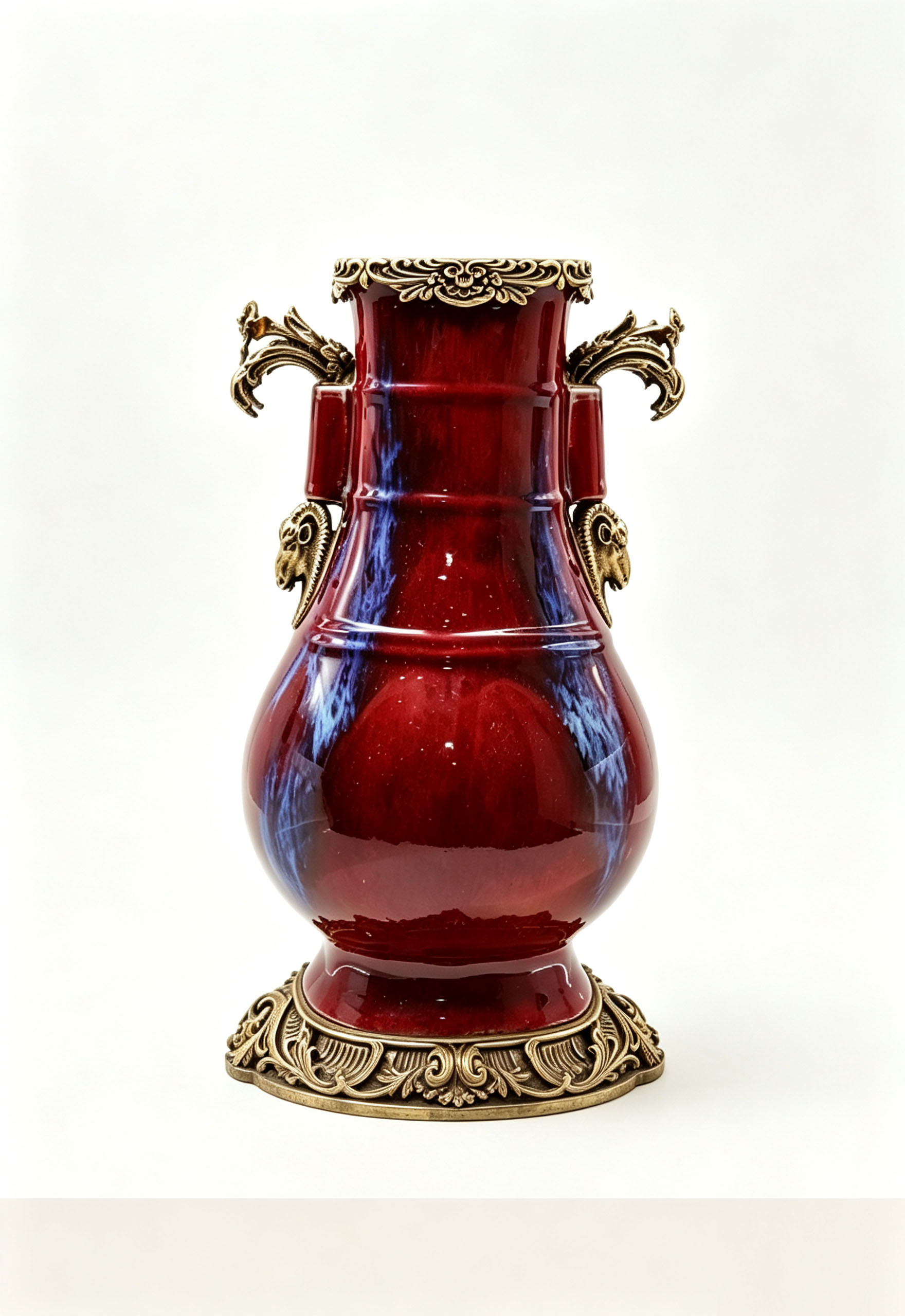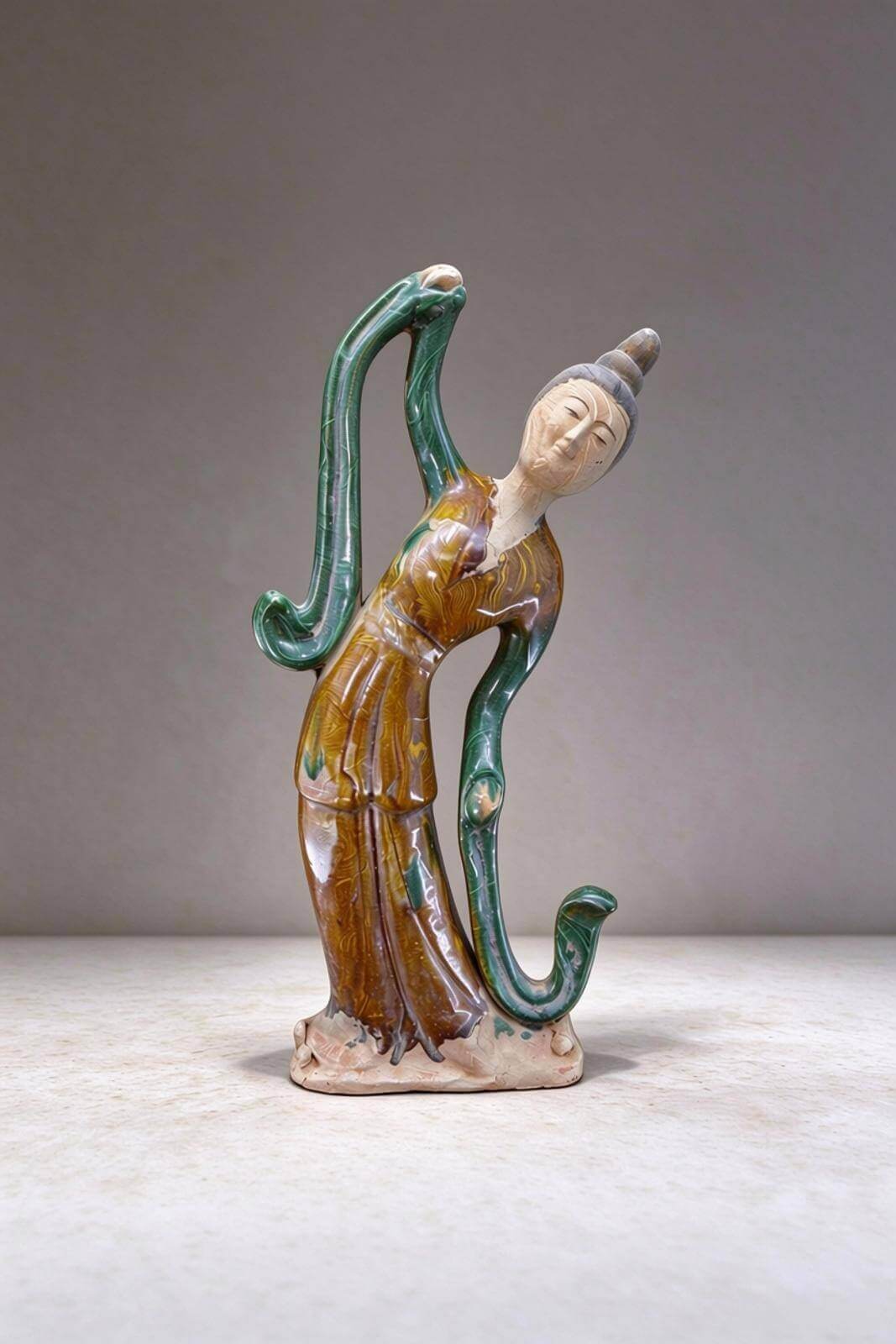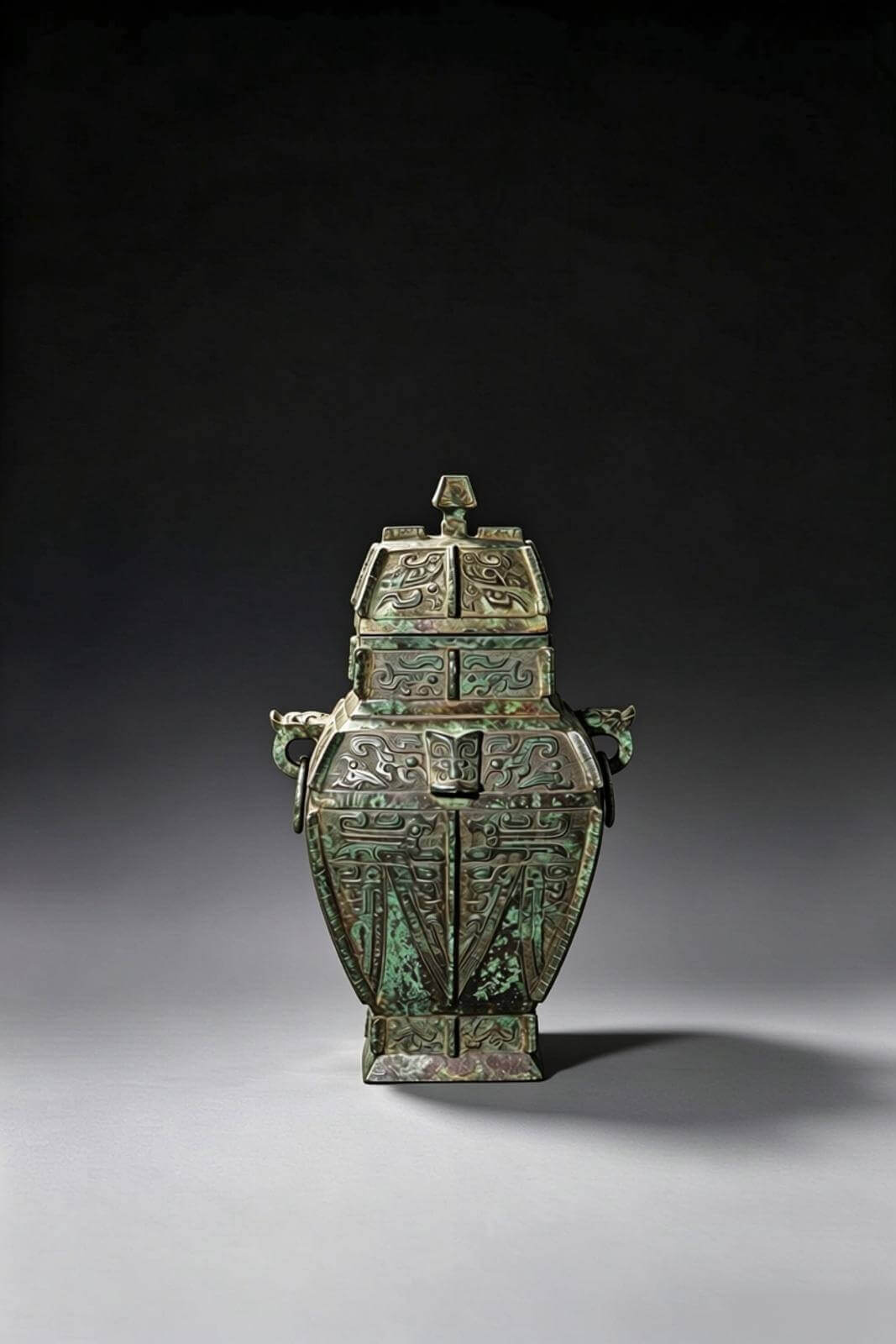
很多传家宝不是"老"坏的,而是被主人"保存"坏的。尤其是新加坡这种高温高湿环境,错误的保存方式,可以让一件百年器物在几年内出现不可逆的损伤。以下 7 个习惯,是最常见的"温柔杀手"。
一、长期阳光直射
书画、木器、织绣、象牙、蜜蜡最怕紫外线。紫外线会让纸张发脆、颜料褪色、木器开裂、蜜蜡表面泛白。
- 错误:把字画挂在采光最强的南向墙面;把蜜蜡摆在窗台当装饰。
- 正确:避免直射光,使用防紫外线的展示柜或玻璃;每季度轮换展示位置。
二、把"密封"当保护
很多人以为用塑料袋或保鲜膜密封 = 保护。实际上,如果器物本身含水分或曾受潮,密封会锁住湿气,加速霉变。
- 错误:用普通塑料袋包瓷器、包书画、包铜器。
- 正确:使用无酸纸、无酸盒;需要隔离湿气时配合硅胶干燥剂,并定期更换。
三、樟脑丸、防虫剂随手放
樟脑丸、萘丸的挥发物会侵蚀金属、腐蚀银器、污染纸张,还会在铜器表面留下难以去除的白色沉积。
- 错误:把樟脑丸和银器、铜器、书画放同一个柜子。
- 正确:物理防虫为主(干燥、通风、密闭柜);如需化学防虫,选择对文物无害的专用产品,并隔离使用。
四、裸手长时间触摸
手上的汗液、油脂、盐分会腐蚀金属、留下指纹、吸附灰尘。铜器、银器、书画、纸钞最怕裸手。
- 错误:直接用手把玩银元、铜香炉、古籍。
- 正确:棉质手套或丁腈手套;书画翻阅使用无酸手套,并避免反复翻动。
五、靠近暖气、空调出风口
温湿度的剧烈波动,比"高温"或"高湿"本身更伤器物。木器、漆器、象牙、书画对波动最敏感。
- 错误:把木雕放在空调直吹的位置;把瓷器放在厨房附近。
- 正确:稳定优先——温度 18–24°C,相对湿度 45–60%(视材质微调);避免骤冷骤热。
六、长年不除尘
灰尘本身是弱碱性或弱酸性颗粒,长期附着会侵蚀釉面、木质、纸张。但"除尘"的方式同样关键。
- 错误:用湿抹布擦瓷器釉面、用鸡毛掸子扫书画。
- 正确:软毛刷轻扫;书画用专用软刷;瓷器用无绒软布;不确定时,宁可不擦。
七、随意上油、上蜡、上保养剂
这是最容易被"好心毁掉"的一类。核桃油、婴儿油、凡士林、汽车蜡、金属抛光膏——都会渗入材质,形成难以去除的膜,破坏原本的包浆。
- 错误:木器越擦越亮、铜器越擦越"新"、玉器上油增润。
- 正确:除非确知材质与产品适配,否则不主动上油上蜡;保持干燥、清洁、稳定即可。
下一步可以做什么?
- 检查家中所有藏品现在的位置:光照、湿度、温度是否稳定
- 把所有塑料袋、樟脑丸、上油工具从藏品旁移开
- 为每一件藏品建立简单档案:材质、来源、购入日期、保存位置
Many family heirlooms are not ruined by age — they are ruined by how their owners "store" them. In a hot, humid climate like Singapore, the wrong storage method can cause irreversible damage within a few years. Here are the 7 most common "gentle killers".
1. Long-term direct sunlight
Paintings, wood, textiles, ivory, and amber are most sensitive to UV. UV makes paper brittle, fades pigments, cracks wood, and clouds amber.
- Wrong: Hanging calligraphy on the sunniest south wall; displaying amber on a windowsill.
- Right: Avoid direct light, use UV-filtered cases; rotate display positions quarterly.
2. Treating "sealed" as "protected"
Plastic bags or cling film are not protection. If an object retains moisture, sealing traps it and accelerates mould.
- Wrong: Wrapping porcelain, paintings, or bronzes in ordinary plastic bags.
- Right: Use acid-free paper and boxes; when moisture isolation is needed, pair with silica gel and replace regularly.
3. Mothballs and insect repellent everywhere
Vapours from naphthalene and camphor corrode metals, tarnish silver, contaminate paper, and leave hard-to-remove white deposits on bronze.
- Wrong: Storing mothballs with silver, bronze, or paintings in the same cabinet.
- Right: Prefer physical prevention (dry, ventilated, enclosed cabinet); if chemical repellents are needed, use conservation-safe products in isolation.
4. Prolonged bare-hand touching
Sweat, oils, and salts corrode metal, leave fingerprints, and attract dust. Bronze, silver, paintings, and paper currency are most affected.
- Wrong: Handling silver dollars, bronze censers, or rare books with bare hands.
- Right: Cotton or nitrile gloves; use acid-free gloves when handling paintings and avoid repeated handling.
5. Near heaters or air-conditioning vents
Rapid swings in temperature and humidity are worse than steady "high" or "low". Wood, lacquer, ivory, and paintings are most sensitive.
- Wrong: Placing wood carvings in direct AC airflow; storing porcelain near the kitchen.
- Right: Prioritise stability — 18–24°C, 45–60% RH (adjust by material); avoid rapid shifts.
6. Never dusting
Dust is mildly acidic or alkaline. Long-term build-up erodes glaze, wood, and paper. But how you dust matters just as much.
- Wrong: Wiping porcelain glaze with a damp cloth; sweeping paintings with a feather duster.
- Right: Soft brush for gentle sweeping; dedicated brushes for paintings; lint-free cloth for porcelain. When unsure, do nothing.
7. Random oiling, waxing, and "care" products
This is the most common "well-intentioned ruin". Walnut oil, baby oil, vaseline, car wax, metal polish — all seep into material, form hard-to-remove films, and destroy original patina.
- Wrong: Polishing wood until it shines, making bronze look "new", oiling jade for lustre.
- Right: Unless you are certain the material and product are compatible, do not oil or wax. Dry, clean, and stable is enough.
What to do next
- Check every piece at home: is light, humidity, and temperature stable?
- Move all plastic bags, mothballs, and oiling tools away from your collection
- Create a simple record for each piece: material, source, purchase date, storage location