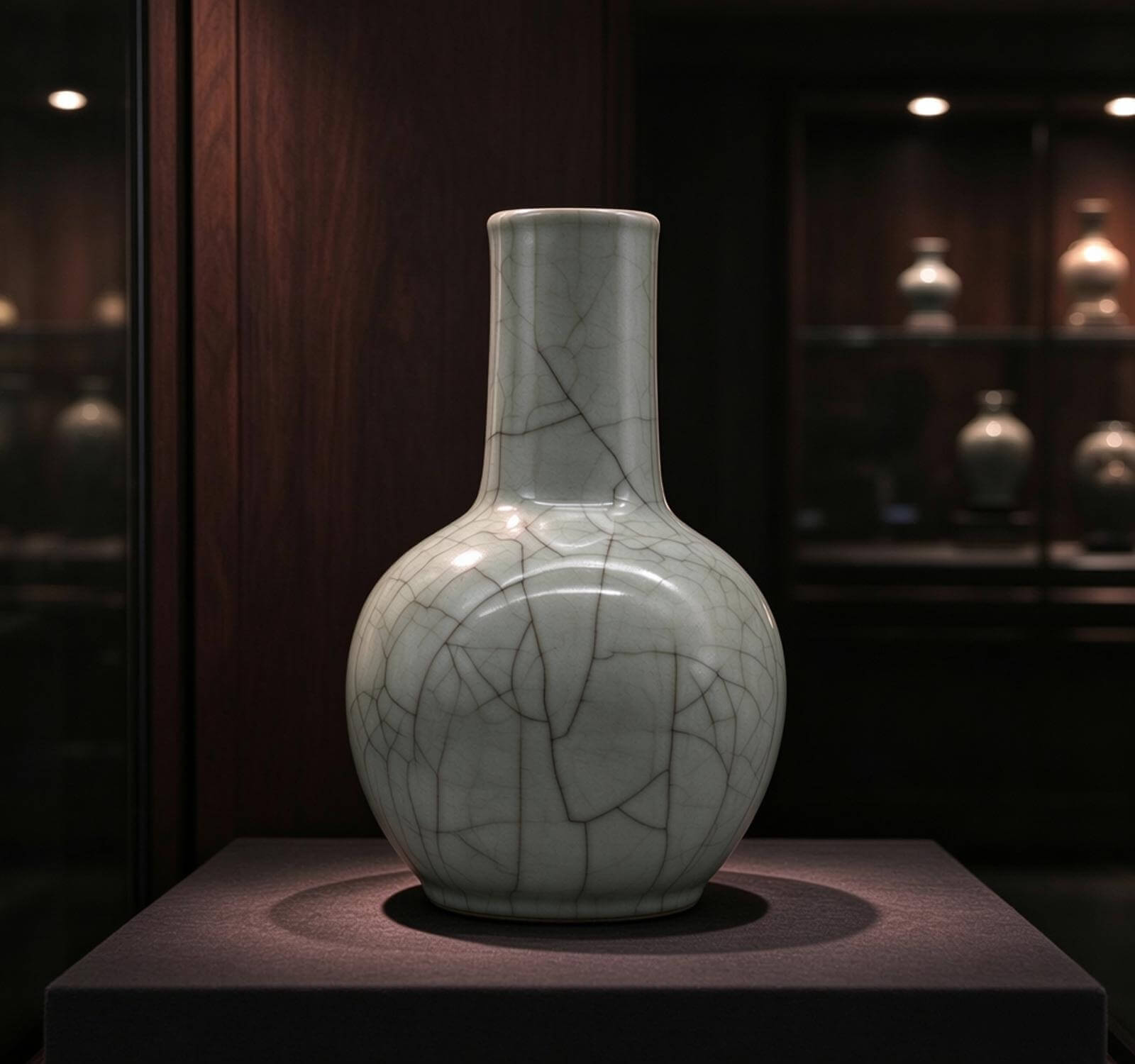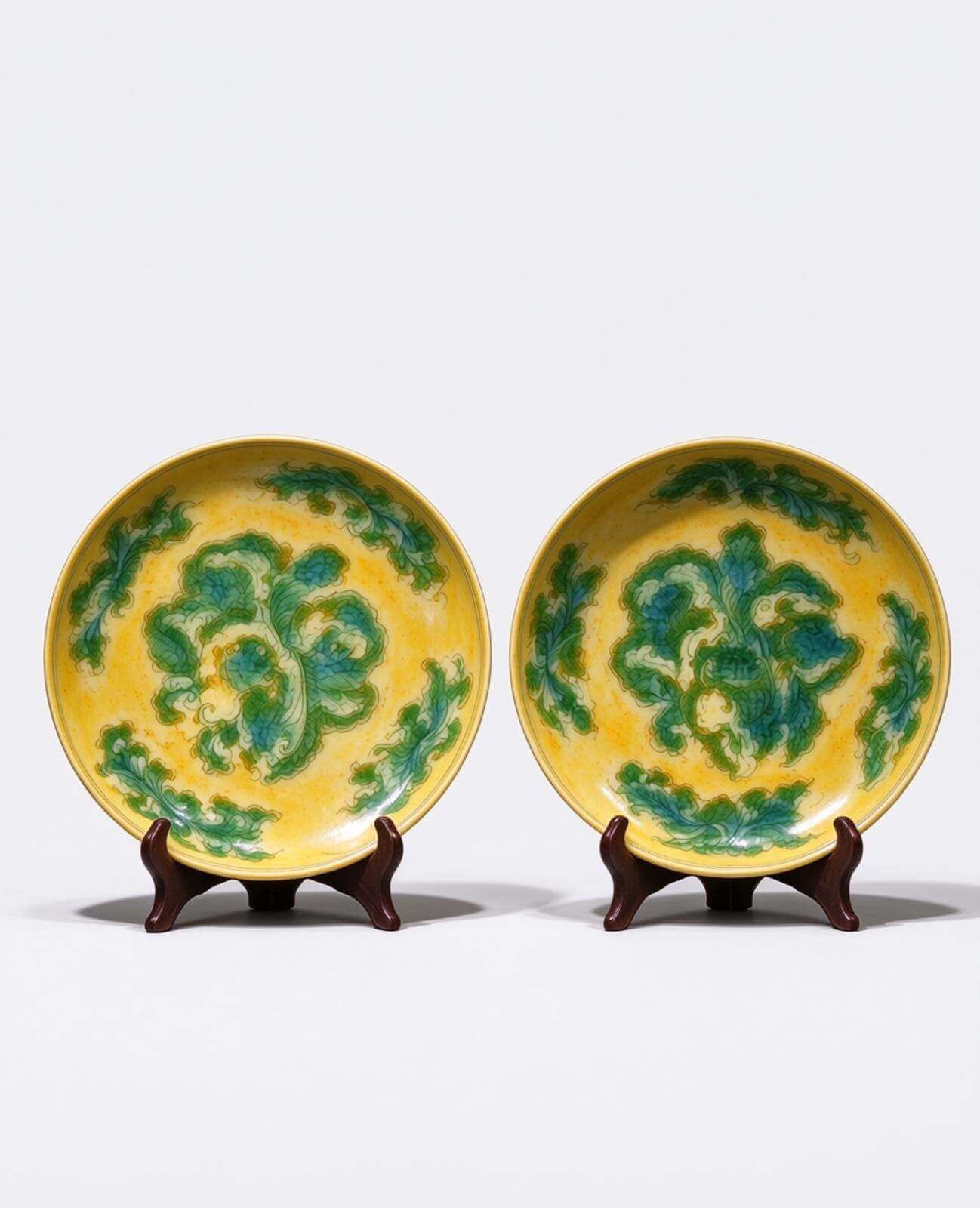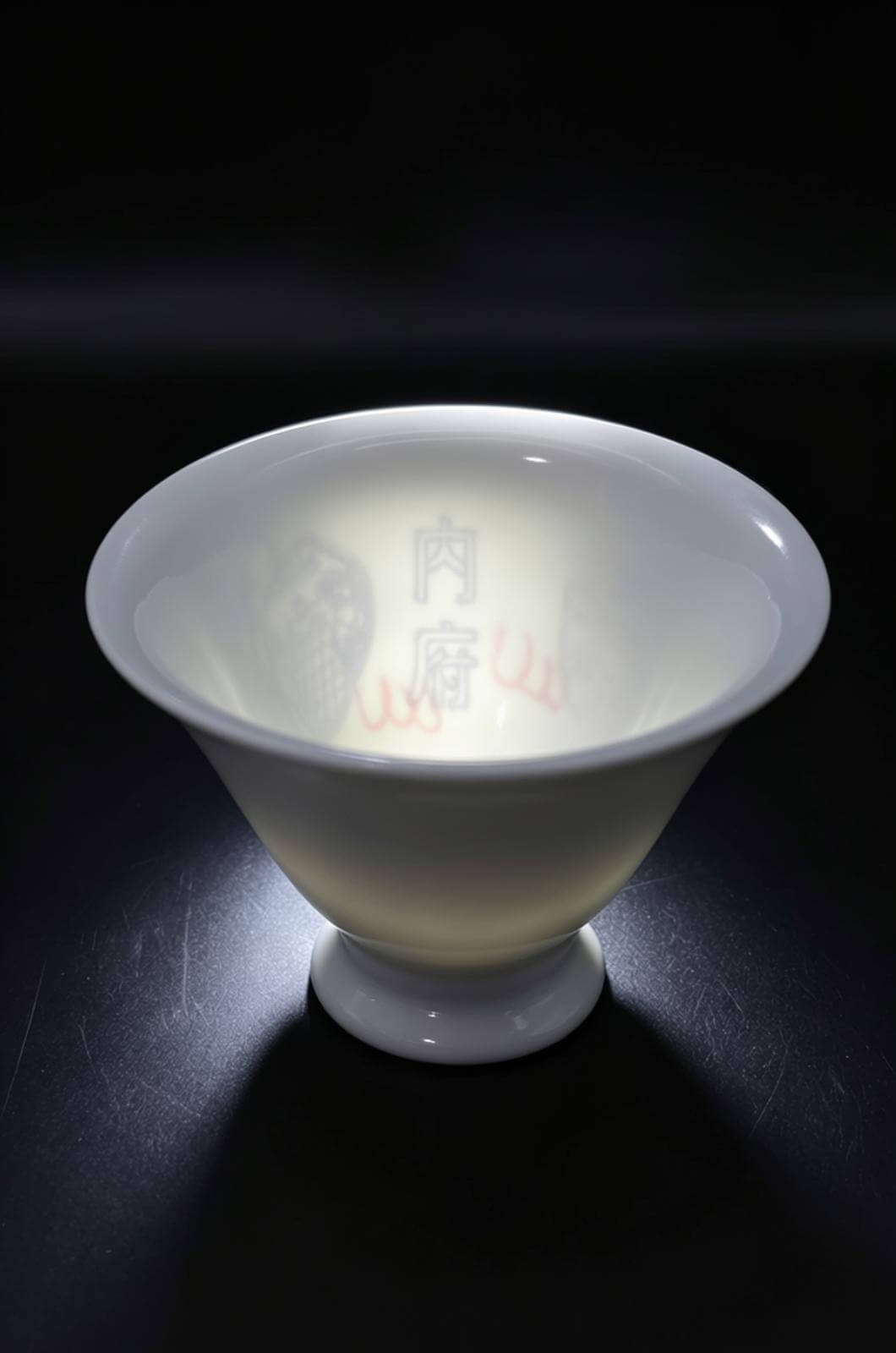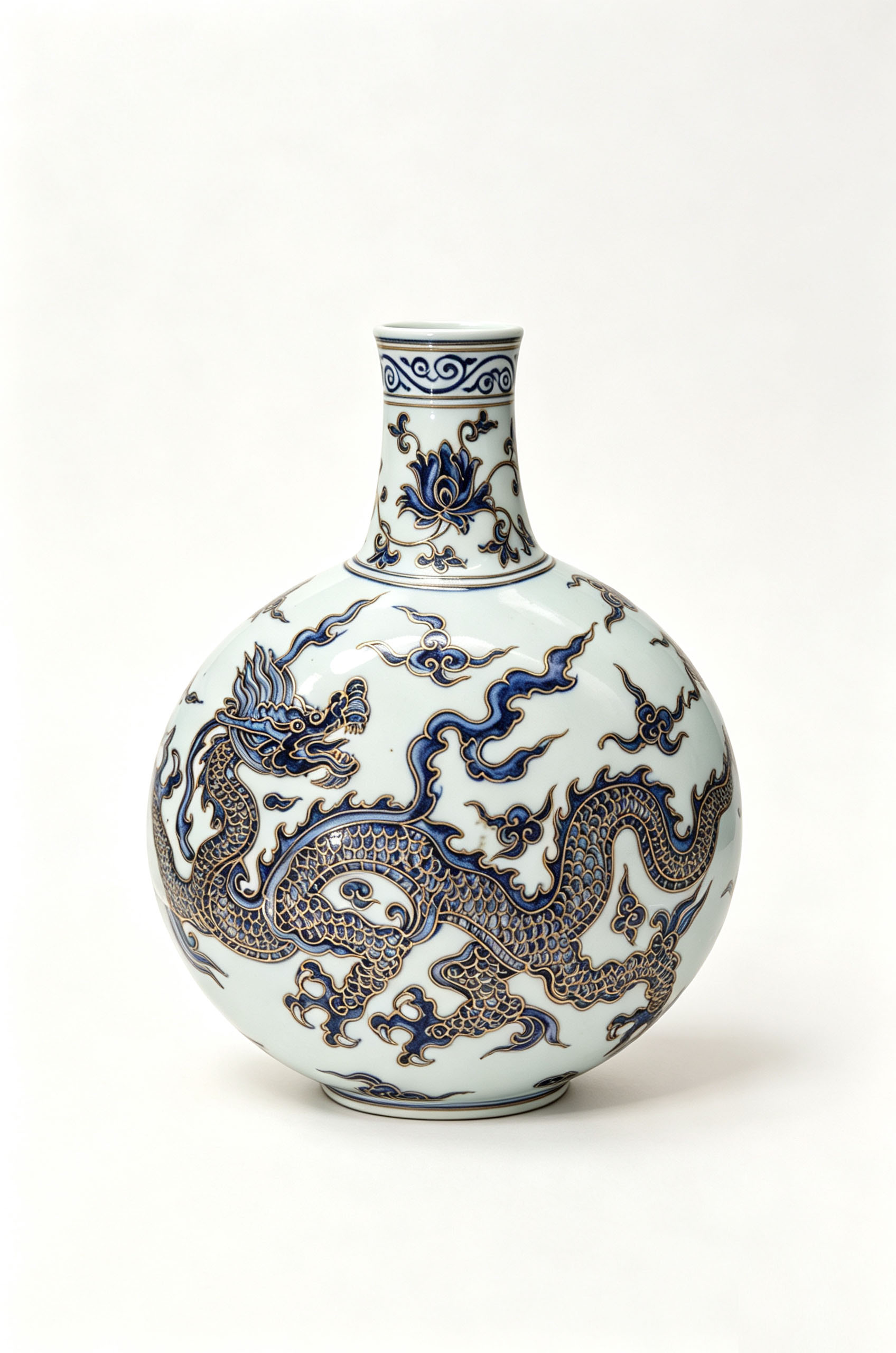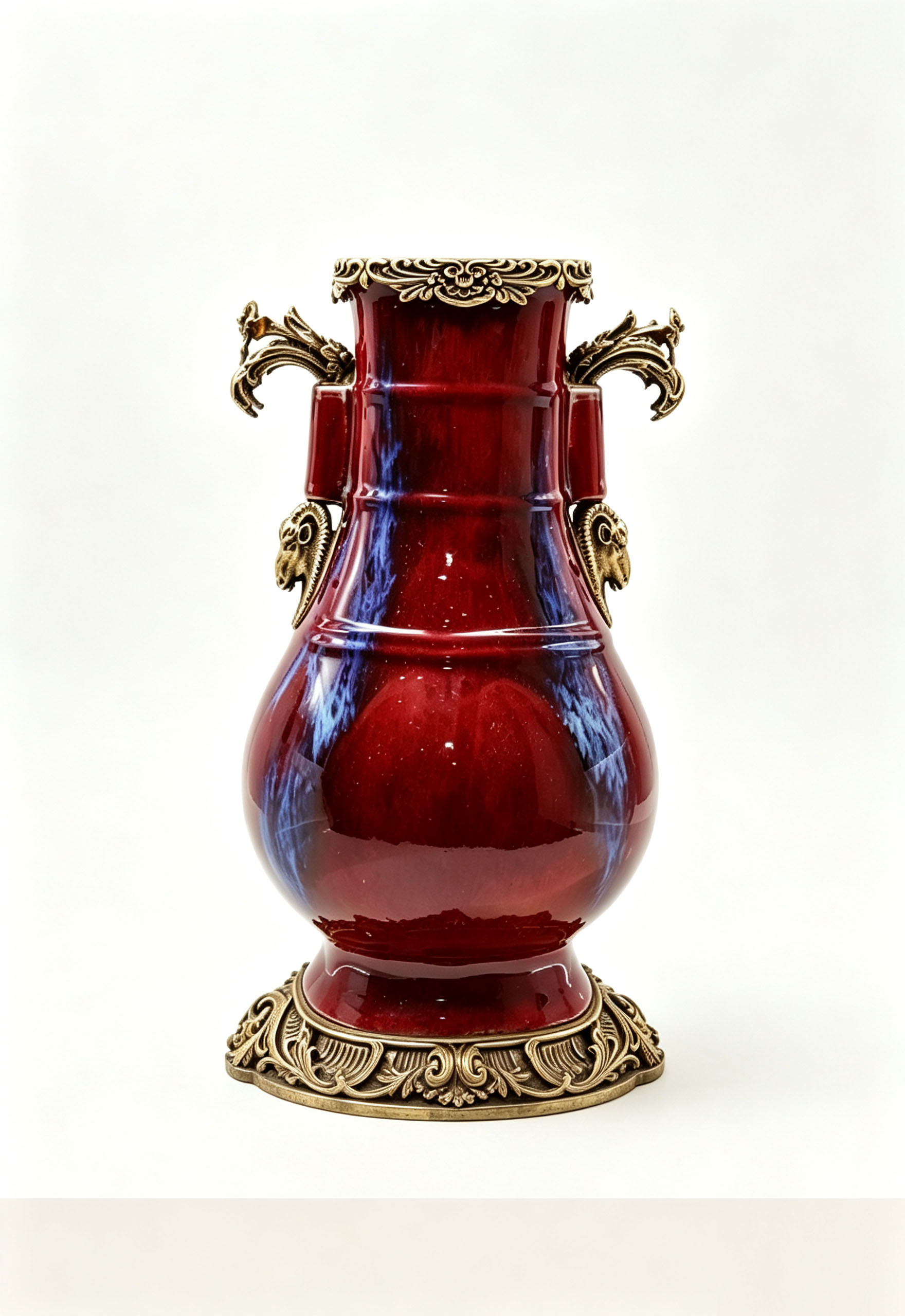
宋代五大名窑——汝、官、哥、钧、定。玩瓷器的人都知道这五个名字。
但你可能没想过:为什么这五个名字,几乎都在河南、河北?
答案在开封。
北宋的首都,在开封
960 年,赵匡胤建立北宋,定都开封(当时叫汴梁)。
开封在今天的河南省中部,位于华北平原,交通便利——黄河、汴河、惠民河、广济河四条水路交汇。全国的钱粮、物资,都从这里进出。
都城在哪里,需求就在哪里。皇室要瓷器、官府要瓷器、富商要瓷器。于是,最好的窑口,都围着开封转。
五座窑,四座在河南河北
把五大名窑的位置列出来,你会发现一个惊人的规律:
汝窑——河南汝州,距离开封约 200 公里。
钧窑——河南禹州,距离开封约 150 公里。
官窑——北宋官窑就在开封本地,直接在京城烧。
定窑——河北曲阳,距离开封约 400 公里。
哥窑——产地有争议,有人认为在河南,也有人认为在浙江。
四座确定在北方的窑,全都在开封周边 400 公里内。这不是巧合。
瓷器在当时是易碎品,运输成本高。窑口离都城越近,越容易接到"官窑"的活。距离决定订单。
汝窑为什么只烧了二十年?
汝窑是五大名窑里最神秘的一个。
它只在北宋末年烧了大约二十年(约 1086—1106 年),然后就停产了。存世器物极少,全世界加起来不到百件。
为什么只烧了二十年?
因为汝窑是为宫廷烧造的,不是商品窑。宫廷需求变了,或者主管官员换了,窑口就可能停。
更关键的:1127 年靖康之变,金兵南下,开封沦陷,北宋灭亡。汝窑所在的汝州,成了战场。窑口自然保不住。
汝窑的消失,是一场王朝崩塌的副产品。
南宋之后,瓷窑跟着朝廷南下
1127 年,宋室南渡。1138 年,南宋定都临安(今杭州)。
官窑跟着南迁。新的官窑在杭州凤凰山下重建,继续为南宋宫廷烧造。这就是"南宋官窑"。
同时,浙江本地的龙泉窑崛起,成为南方最大的青瓷产区。哥窑的产地虽有争议,但主流说法之一也在浙江。
一句话:朝廷搬到哪里,瓷窑就跟到哪里。
北宋的政治中心在河南,所以五大名窑集中在河南河北。南宋的政治中心在浙江,所以官窑、龙泉窑、哥窑都在浙江。
瓷器史,就是半部政治史。
今天你在博物馆看一件汝窑,看它天青釉、蟹爪纹、芝麻钉。
但别忘了,它诞生在开封旁边的一个小窑口。
它之所以能成为"汝窑",是因为开封是首都。
如果北宋定都南京或者洛阳,五大名窑的名单,可能就完全不同了。
The Song dynasty's five great kilns — Ru, Guan, Ge, Jun, Ding. Anyone who collects porcelain knows these five names.
But you may not have wondered: why are they almost all in Henan and Hebei?
The answer is Kaifeng.
The Northern Song Capital Was Kaifeng
In 960, Zhao Kuangyin founded the Northern Song and made Kaifeng (then called Bianliang) his capital.
Kaifeng sits in the middle of today's Henan province, on the North China Plain. It was a transport hub — the Yellow River, the Bian River, the Huimin River, and the Guangji River all met there. Grain, money, and goods from across the empire flowed in and out.
Where the capital goes, demand follows. The court needed porcelain, officials needed porcelain, wealthy merchants needed porcelain. So the best kilns clustered around Kaifeng.
Four of Five Were in Henan and Hebei
Look at where the five kilns were:
Ru kiln — Ruzhou, Henan. About 200 km from Kaifeng.
Jun kiln — Yuzhou, Henan. About 150 km from Kaifeng.
Guan kiln — in Kaifeng itself, firing directly inside the capital.
Ding kiln — Quyang, Hebei. About 400 km from Kaifeng.
Ge kiln — disputed location. Some say Henan, some say Zhejiang.
Four confirmed northern kilns, all within 400 km of Kaifeng. That is no coincidence.
Porcelain is fragile, and transport was expensive. The closer a kiln was to the capital, the more likely it was to receive imperial commissions. Distance determined orders.
Why Did the Ru Kiln Only Fire for Twenty Years?
The Ru kiln is the most mysterious of the five.
It fired only for about twenty years at the end of the Northern Song (roughly 1086–1106), then stopped. Surviving pieces are extraordinarily rare — fewer than a hundred worldwide.
Why only twenty years?
Because Ru was a court kiln, not a commercial one. When court demand changed, or supervising officials were replaced, production could be halted.
More critically: in 1127, the Jingkang Incident. Jin armies swept south, Kaifeng fell, and the Northern Song ended. Ruzhou, where the Ru kiln stood, became a battlefield. The kiln could not survive.
Ru's disappearance was a by-product of dynastic collapse.
After the Southern Song, Kilns Followed the Court South
In 1127, the Song court fled south. In 1138, the Southern Song made Lin'an (today's Hangzhou) its capital.
The official kilns moved with them. New imperial kilns were built at the foot of Phoenix Hill in Hangzhou, firing for the Southern Song court. This became "Southern Song Guan".
Meanwhile, Zhejiang's own Longquan kilns rose to become the largest celadon producer in the south. The location of the Ge kiln remains disputed, but one mainstream theory places it in Zhejiang too.
In one sentence: where the court moves, the kilns follow.
The Northern Song's political centre was Henan, so the five great kilns clustered in Henan and Hebei. The Southern Song's centre was Zhejiang, so Guan, Longquan, and Ge appeared in Zhejiang.
The history of porcelain is half a history of politics.
In a museum today, you look at a Ru piece — sky-blue glaze, crab-claw crackle, sesame-seed spur marks.
But remember: it came from a small kiln near Kaifeng.
It became "Ru" because Kaifeng was the capital.
Had the Northern Song chosen Nanjing or Luoyang, the list of five great kilns might be entirely different.