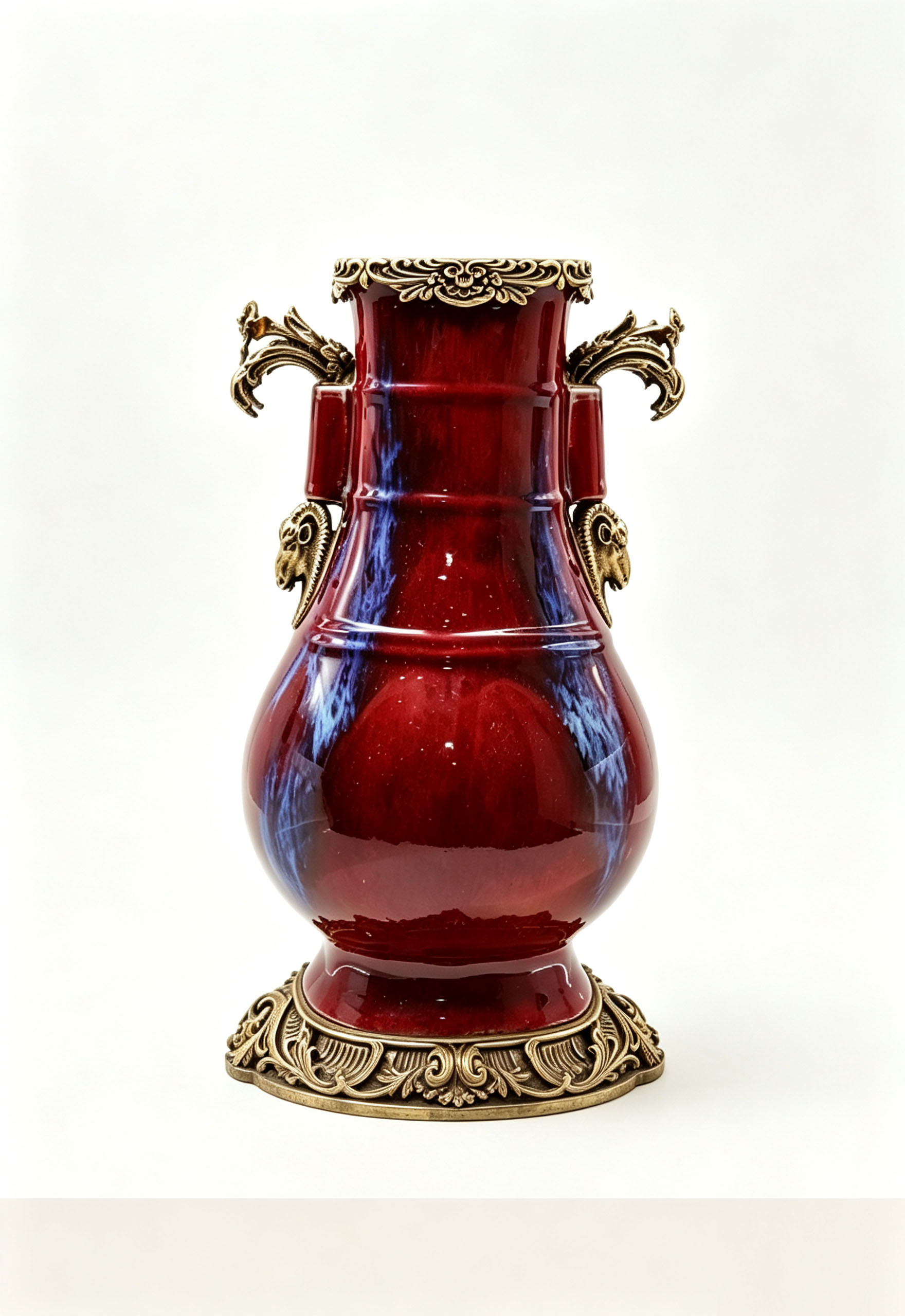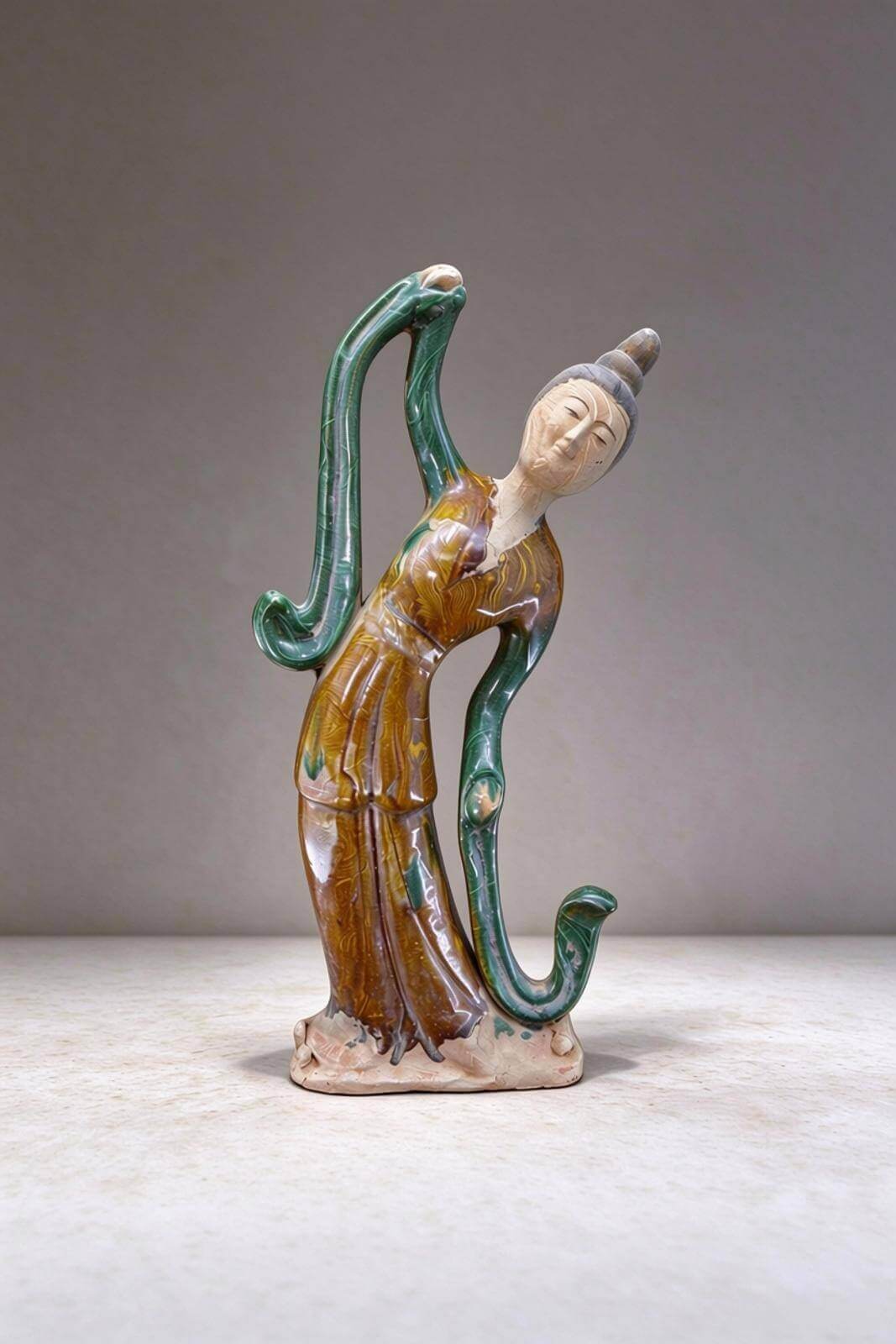
瓷器出现裂纹、缺口、冲线时,很多藏家第一反应是"赶紧修好"。但修复不是越早越好,也不是所有情况都值得修。有些器物修了反而掉价,有些则因为没修而继续恶化。判断的关键,是三个维度:价值、结构、可逆性。
第一点:历史价值与艺术价值
不是所有器物都以"完整"为最高价值。有些残器恰恰是历史的证据。
建议修复的情况
- 器型完整度高、纹饰精美,缺口或冲线影响整体观感
- 结构不稳定,继续放置可能扩大裂纹
- 来源清晰、有明确收藏价值的器物
建议保留现状的情况
- 出土残件、窑址标本,本身以"研究价值"为主
- 残缺具有断代意义的特殊器物
- 修复成本远高于器物本身价值
第二点:结构是否安全
这是最容易被忽略、也最关键的一点。有些裂纹只是表面冲线,结构仍然稳定;有些则是贯穿胎体的结构性裂,随时可能断裂。
- 表面冲线:釉面开裂但胎体未断,结构通常稳定,可视情况保留
- 胎体裂缝:存在继续扩大的风险,需评估是否加固
- 断裂 / 缺片:结构不稳定,建议专业评估后再决定
第三点:修复是否可逆
现代文物修复的核心原则是"可逆性"——修复材料在未来应能被安全移除,而不损伤原件。
- 可逆修复:使用可逆材料,未来可以拆除重做,不伤原件
- 不可逆修复:使用不可拆材料、或改变器物表面(如重新上釉、重新做旧)
- 过度修复:为了"好看"而补画、补彩、重新做旧,往往损伤文物价值
常见误区
- 误区一:修得越完整越值钱——过度修复反而掉价
- 误区二:老瓷器不能用现代材料——关键是可逆性,不是新旧
- 误区三:小裂纹不用管——有些裂纹会继续扩大
- 误区四:自己可以用胶水粘——错误材料会永久损伤器物
下一步可以做什么?
- 先给器物拍清晰照片(正面、侧面、裂口特写),留存现状
- 咨询 2–3 位专业修复人员,对比方案与报价
- 确认修复材料是否可逆、是否影响未来再交易
When a piece of porcelain cracks, chips, or develops a hairline, many collectors rush to repair it. But repair is not always the right answer, and not every piece is worth repairing. Three dimensions decide: value, structure, and reversibility.
1. Historical and artistic value
Not every object is valued for being "complete". Some damaged pieces are historical evidence in themselves.
When repair may be advisable
- The form is largely intact and the decoration is fine, but chips or hairlines affect the overall read
- The structure is unstable and the crack may extend
- The piece has clear provenance and collectible value
When to leave as-is
- Excavated fragments or kiln-site samples — value is primarily research-based
- Pieces whose damage carries dating significance
- When repair cost far exceeds the object's value
2. Is the structure stable?
This is the most overlooked and most critical point. Some cracks are surface hairlines with stable structure; others run through the body and may break at any time.
- Surface hairline: glaze crack, body intact — often structurally stable
- Body crack: risk of extending; assess whether consolidation is needed
- Break / missing piece: unstable; professional assessment first
3. Is the repair reversible?
Modern conservation prioritises "reversibility" — materials should be safely removable in future without damaging the original.
- Reversible: materials can be removed and redone without harm
- Irreversible: materials cannot be removed, or the surface is altered (re-glazing, re-ageing)
- Over-restoration: repainting, re-enamelling, re-ageing for "looks" — often damages value
Common misconceptions
- More complete = more valuable — over-restoration often reduces value
- Old porcelain cannot use modern materials — reversibility matters, not age of material
- Small cracks can be ignored — some will extend
- You can glue it yourself — wrong adhesives permanently damage the piece
What to do next
- Photograph the piece clearly (front, side, close-up of damage) to record current state
- Consult 2–3 professional conservators and compare proposals and quotes
- Confirm the materials are reversible and will not affect future resale