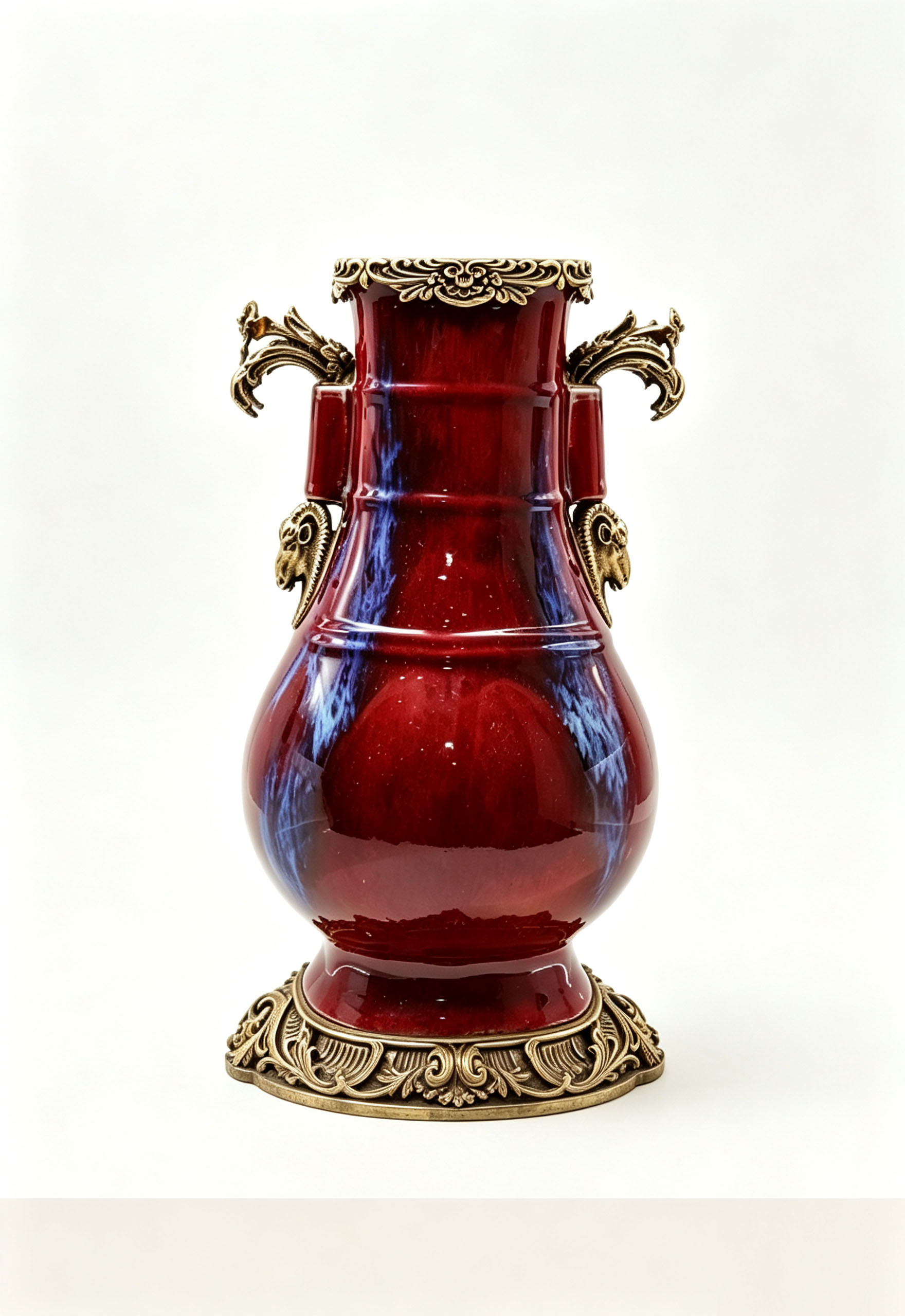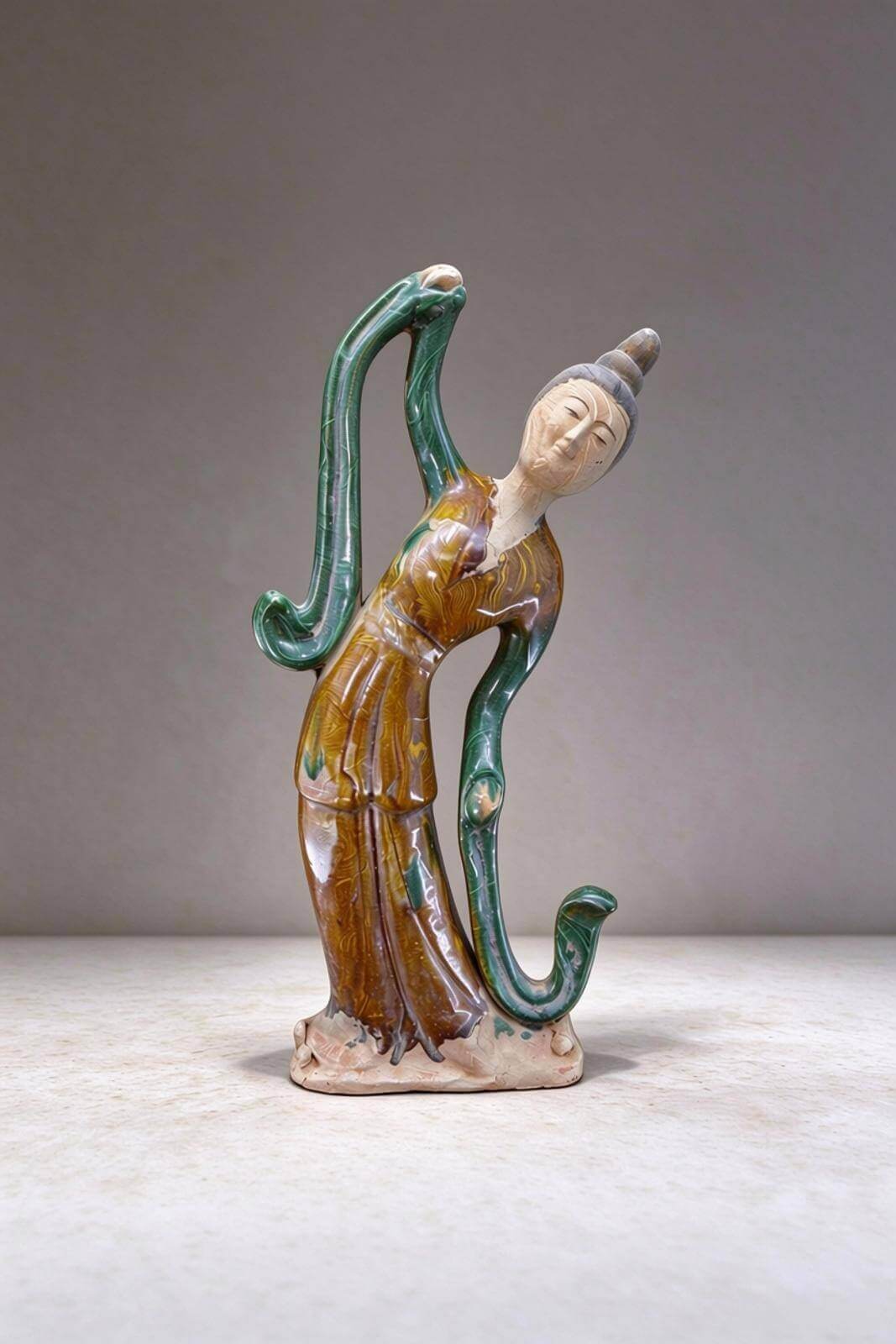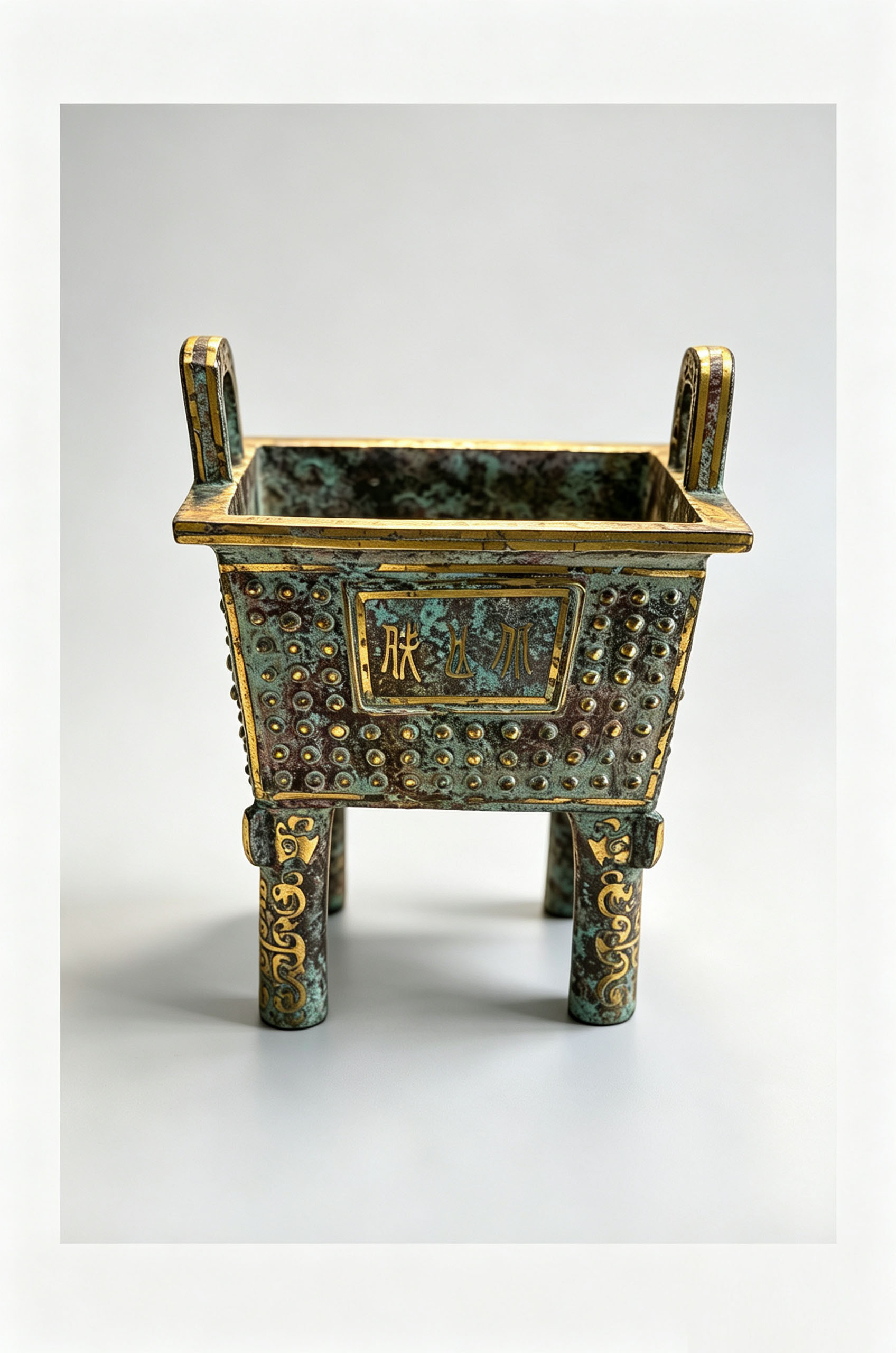
修复不是"变新",而是"止损 + 恢复可读性"。这篇以一件典型残器为例,把修复的每一步、报价逻辑、风险点、验收标准都摊开讲。看完你会知道:什么时候该修,什么时候该等,什么时候该放弃。
修复的 6 个标准步骤
清洗
去除表面污物、旧胶、旧修复材料。目的是暴露真实状况,为后续判断打基础。这一步不出效果,但决定了后面每一步的准确性。
拼对
把碎片按原有位置拼合、编号、试拼。这个过程决定了缺片位置、补配范围,也是报价的重要依据。
补配
用可逆材料填补缺片、缺口。补配材料的选择,直接影响未来能否安全拆除。
做色
在补配区域上色,让颜色接近原件。高水平做色不会"抢戏",远看统一,近看可辨。
做旧
这是最敏感的一步。合理做旧可以让补配区域不突兀,过度做旧则等于人为制造"伪老",影响未来交易与鉴定。
可逆性检查
最后一步是确认:修复材料未来是否可安全拆除?这一步在专业修复里不可省略。
报价逻辑:为什么修复报价差这么多?
同一件器物,不同修复师的报价可能相差数倍。原因通常在这几个变量:
| 变量 | 影响 |
|---|---|
| 缺损面积 | 缺片越大,补配与做色工作量越大 |
| 器型复杂度 | 异形、带耳、带盖,难度明显上升 |
| 纹饰精细度 | 青花、粉彩、珐琅彩做色难度依次上升 |
| 是否揭裱 / 拆解 | 书画揭裱、器物拆解会显著提高成本 |
| 是否可逆 | 可逆材料成本更高,但长期更安全 |
| 修复师资历 | 资深修复师与普通修复师报价差距明显 |
风险点:这三件事必须提前问清
- 是否可逆:未来能否安全拆除、重做?
- 是否影响鉴定:修复痕迹会不会让未来鉴定更困难?
- 是否影响再交易:修复记录是否需要在交易时披露?
周期:为什么修复这么慢?
- 清洗、拼对需要耐心,急不得
- 补配、做色、做旧需要分层、干燥、比对
- 书画揭裱、器物拆解,周期通常以月计
验收标准
- 远看整体协调,近看可辨修复痕迹(这是专业修复的标准)
- 补配区域不松动、不脱落
- 修复材料明确标注,可追溯
- 提供修复前后照片与书面记录
下一步可以做什么?
- 先拍照、先记录,再找 2–3 家修复方案对比
- 把"是否可逆""是否影响再交易"作为必问项
- 把修复记录归档,未来交易时一并提供
Restoration is not about making something "new" — it is about stopping damage and restoring legibility. Using a typical damaged piece as an example, this article lays out every step, the pricing logic, the risks, and the acceptance criteria.
The 6 standard steps
Cleaning
Removing surface dirt, old adhesives, and old restoration materials. The goal is to reveal the true condition. No visual payoff, but it determines the accuracy of everything after.
Joining
Assembling fragments in their original positions, numbering, test-fitting. This determines missing areas and the scope of infill — and drives the quote.
Infill
Filling missing areas with reversible materials. The choice of material determines whether it can be safely removed later.
Tinting
Colour-matching the infill. High-level tinting does not "show off" — it reads unified from a distance and distinguishable up close.
Ageing
The most sensitive step. Reasonable ageing makes the infill less obtrusive; excessive ageing is effectively creating a fake, affecting future sale and authentication.
Reversibility check
The final step: confirming the materials can be safely removed in future. This step is not optional in professional conservation.
Pricing logic: why do quotes vary so much?
The same object can receive quotes that differ several times over. These variables explain it:
| Variable | Effect |
|---|---|
| Size of loss | Larger losses = more infill and tinting work |
| Form complexity | Irregular, handled, lidded forms are harder |
| Decoration fineness | Blue-and-white < famille rose < enamels in tinting difficulty |
| Re-mounting / disassembly | Painting re-mounting and object disassembly add significant cost |
| Reversibility | Reversible materials cost more but are safer long-term |
| Conservator seniority | Senior conservators quote significantly higher |
Risks: three things to ask before starting
- Reversibility: can it be safely removed and redone?
- Authentication impact: will the restoration make future authentication harder?
- Resale impact: does the restoration record need to be disclosed at sale?
Timeline: why is restoration so slow?
- Cleaning and joining require patience — cannot be rushed
- Infill, tinting, and ageing require layering, drying, and matching
- Painting re-mounting and object disassembly are measured in months
Acceptance criteria
- Unified from a distance, distinguishable up close (the professional standard)
- Infill stable, not loose or falling
- Materials documented and traceable
- Before/after photos and written record provided
What to do next
- Photograph and record first; compare 2–3 restoration proposals
- Make "reversibility" and "resale impact" mandatory questions
- Archive the restoration record to provide at future sale