在新加坡逛旧货铺,你会有一种奇怪的感觉——这里的东西好像从哪儿来的都有。
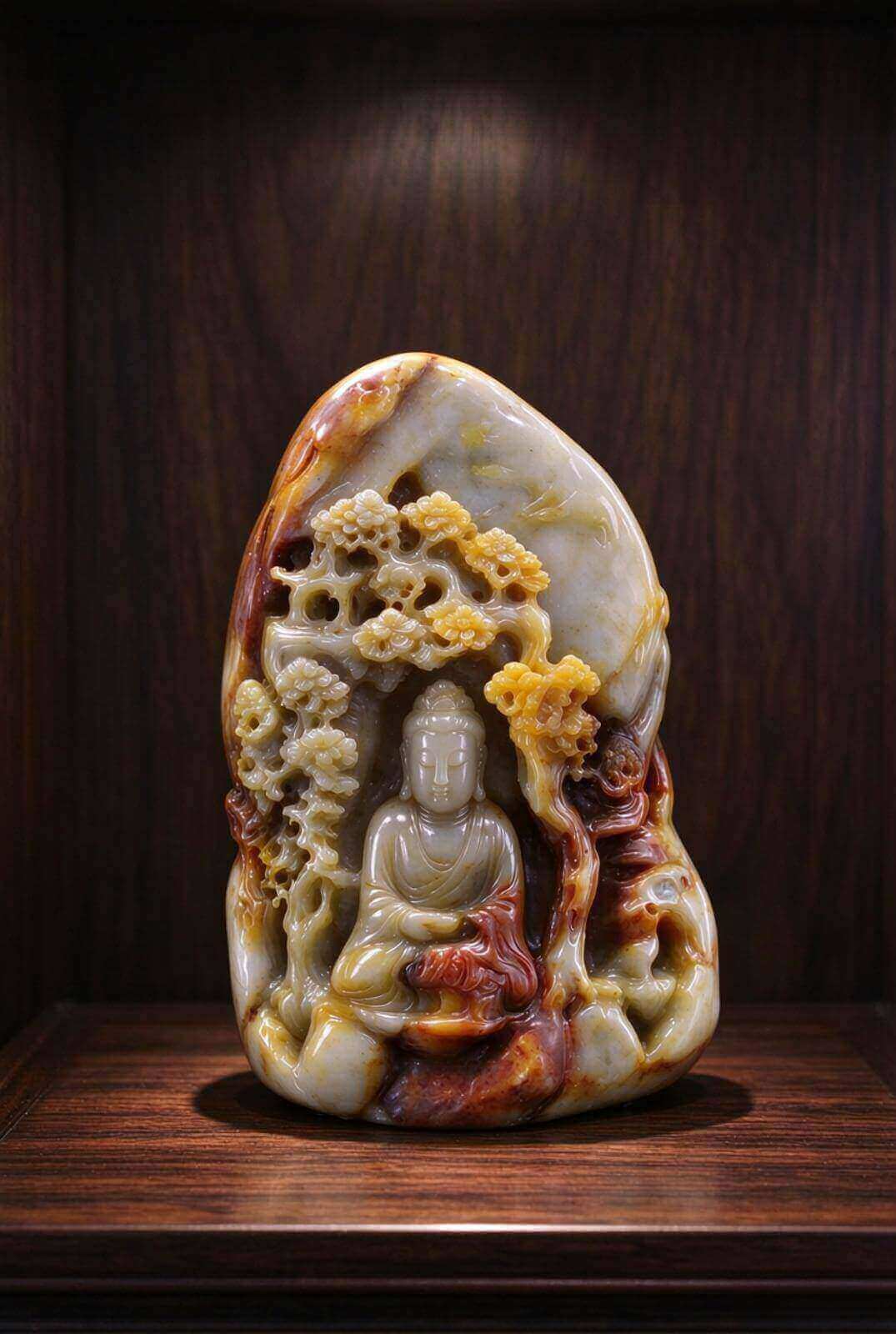
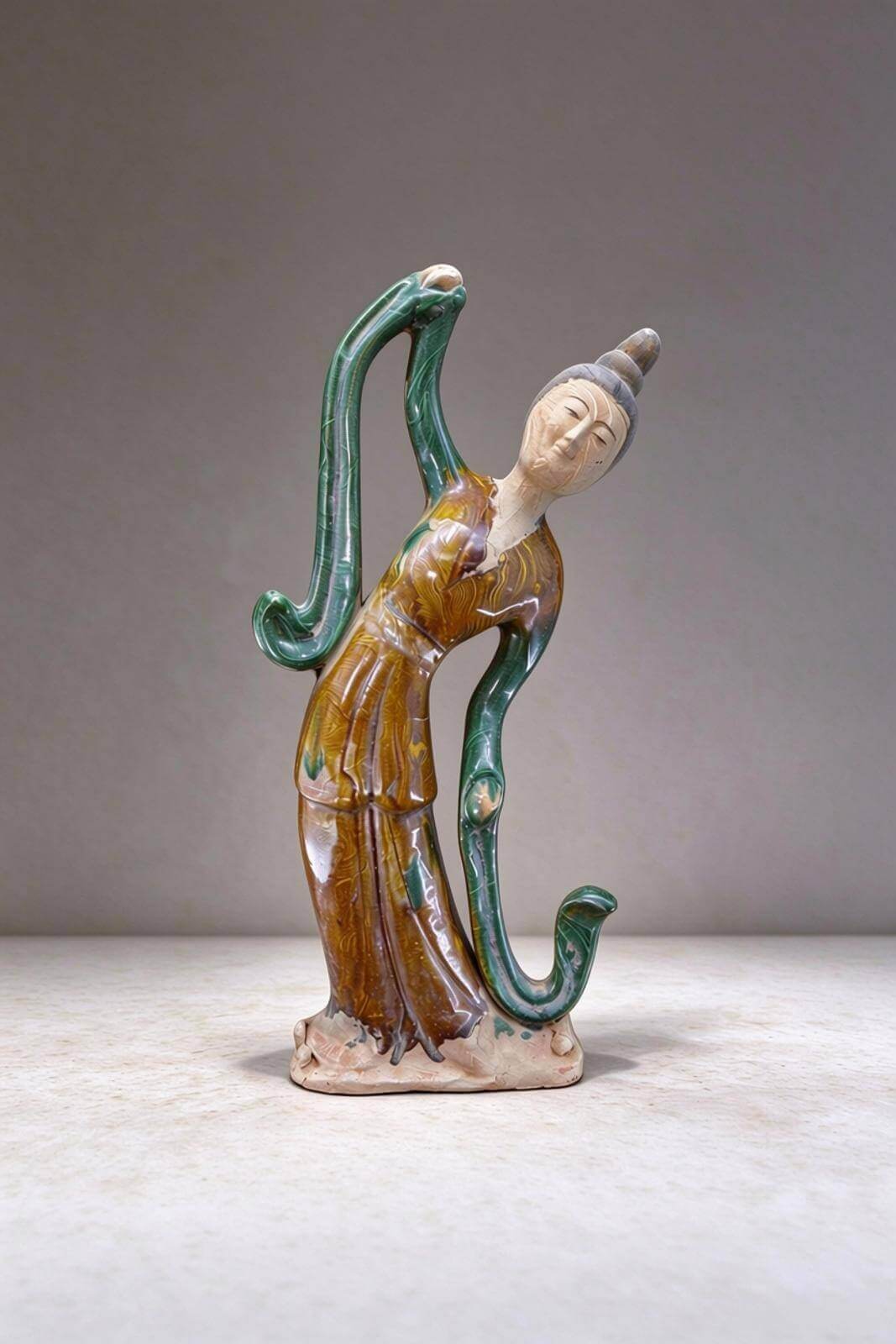
中国的瓷器、缅甸的佛像、印尼的银器、欧洲的怀表、日本的漆盒、印度的铜器……挤在一个小铺子里,一点都不违和。
这不是偶然。它有一个地理原因,已经运作了六百年。
一条"必须经过"的海峡
从印度洋到太平洋,最短的路线在哪?
答案是马六甲海峡。
它夹在马来半岛和苏门答腊岛之间,长约 800 公里,最窄处只有 2.8 公里。所有从印度洋开往东亚的船,几乎都必须从这里穿过。
如果你不走这里,就得绕行印尼南部的巽他海峡或更远的龙目海峡——多出几天航程,还要穿过更危险的水域。
对古代帆船来说,几天的航程就是几个月的生活费。所以,几乎所有人都走马六甲。
季风决定航期
古代帆船不走直线。它们跟着季风走。
每年 4 月到 9 月,西南季风吹向东北,船只从印度出发,经过马六甲,开往中国。10 月到次年 3 月,东北季风吹向西南,船只从中国返回印度、阿拉伯、欧洲。
这就意味着:船到马六甲时,往往要**等风**。
等风不是一天两天,而是几个月。船员下船、货物卸货、交换买卖、补充补给——港口就这样繁荣起来。
马六甲的兴起,本质上是一个"季风等待期"的产物。
八百年的转口贸易
从 1400 年代开始,马六甲就是东西方贸易最重要的中转港。
中国瓷器运到这里,换成印度的棉布;印度棉布运到这里,换成东南亚的香料;东南亚香料运到这里,装上阿拉伯船去中东。
这个过程叫"转口贸易"——货物不在这里生产,也不在这里消费,只是"路过"。
但路过的次数多了,就会留东西。
船长留下的瓷器、商人留下的私人物品、船员留下的工具、旅人留下的纪念品——这些东西在港口城市沉淀下来,一代一代传下去,最后变成古董。
1819 年,莱佛士来到新加坡,建立自由港。从此新加坡取代马六甲,成为南洋最重要的贸易中心。
新加坡的旧货铺里为什么什么都有?因为两百年来,什么东西都从这里路过。
今天的"海峡遗产"
今天你在新加坡、槟城、马六甲的古董铺里,能看到什么?
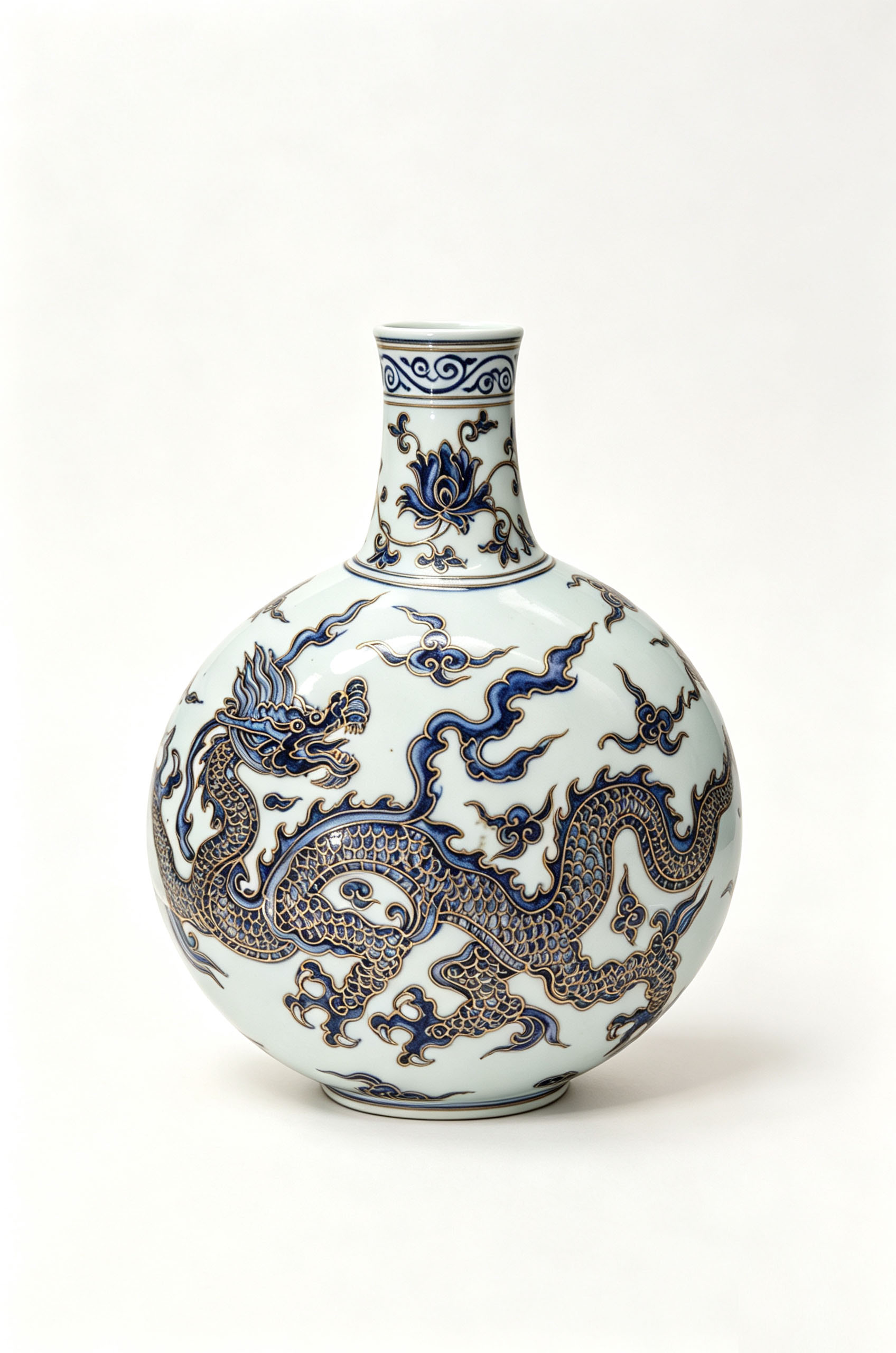
中国瓷器——外销瓷、娘惹瓷、晚清粉彩。来自各个时代的贸易瓷。
东南亚银器——缅甸、泰国、印尼的银盒、银碗、银饰。土生华人和马来人都用过。
欧洲杂件——怀表、玻璃器、海军用具。殖民时期留下来的。
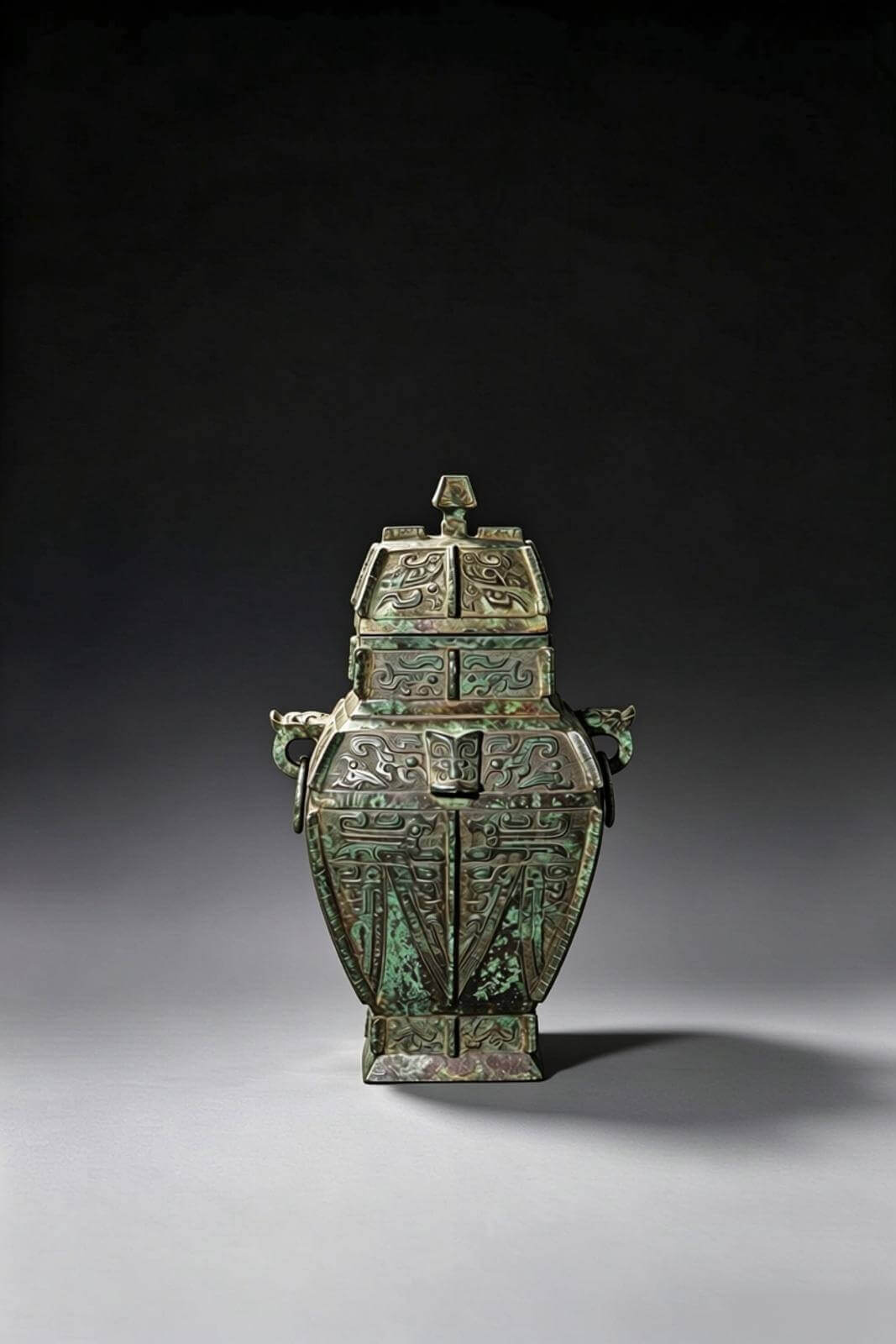
印度铜器——南印度寺庙用具、家庭器皿。
日本漆器——明治时期的输出漆器,通过海峡销往欧洲。
这些东西,每一件都有一个"路过"的故事。
它们聚集在这里,不是巧合,是一条海峡六百年来的结果。
新加坡没有矿产,没有农田,没有古都。
但它有的是位置——一条必须经过的海峡。
几百年里,世界各地的货物、人、文化,都在这里停过。
古董铺里那些"什么都有"的东西,就是这段地理史的物证。
Wander into a Singapore junk shop and you get a strange feeling — the stuff here seems to come from everywhere.
Chinese porcelain, Burmese Buddhas, Indonesian silver, European pocket watches, Japanese lacquer boxes, Indian bronzes — crammed into one little shop, and somehow it all fits.
This is not coincidence. It has a geographic reason, and it has been operating for six hundred years.
A Strait You Have to Cross
What is the shortest route from the Indian Ocean to the Pacific?
The answer is the Strait of Malacca.
It sits between the Malay Peninsula and Sumatra, about 800 km long, narrowing to just 2.8 km at its tightest point. Almost every ship sailing from the Indian Ocean to East Asia had to pass through.
Skip it and you would have to go around southern Indonesia via the Sunda or Lombok Strait — several extra days of sailing, through more dangerous waters.
For a sailing vessel, a few extra days is months of provisions. So almost everyone took Malacca.
Monsoons Decided the Sailing Season
Ancient sailing ships did not travel in straight lines. They followed the monsoons.
From April to September, the southwest monsoon blew northeast — ships departed from India, passed through Malacca, and sailed for China. From October to March, the northeast monsoon blew southwest — ships returned from China to India, Arabia, and Europe.
This meant that ships arriving at Malacca usually had to wait for the wind.
Waiting was not a day or two — it was months. Crews disembarked, cargoes were unloaded, goods were exchanged, supplies were replenished. Ports prospered as a result.
Malacca's rise was, at heart, a product of the monsoon waiting season.
Eight Centuries of Entrepôt Trade
From the fifteenth century onward, Malacca was the most important entrepôt of East-West trade.
Chinese porcelain arrived; it was exchanged for Indian cotton. Indian cotton arrived; it was exchanged for Southeast Asian spices. Southeast Asian spices arrived; they were loaded onto Arab ships headed for the Middle East.
This is "entrepôt trade" — goods neither produced nor consumed here, only passing through.
But passing through often enough leaves things behind.
Porcelain left by sea captains, personal items left by merchants, tools left by crew, souvenirs left by travellers — these settle in port cities, passed down through generations, and eventually become antiques.
In 1819, Raffles arrived in Singapore and established a free port. From then on, Singapore replaced Malacca as the most important trading centre in Nanyang.
Why is there everything in a Singapore junk shop? Because for two hundred years, everything passed through.
Today's "Strait Heritage"
What can you see today in antique shops in Singapore, Penang, and Malacca?
Chinese porcelain — export ware, Nyonya ware, late-Qing famille rose. Trade porcelain from every era.
Southeast Asian silver — Burmese, Thai, and Indonesian boxes, bowls, and jewellery. Used by both Peranakans and Malays.
European smalls — pocket watches, glassware, naval instruments. Left over from the colonial period.
Indian bronzes — South Indian temple utensils and household vessels.
Japanese lacquer — Meiji-period export lacquer, shipped to Europe via the strait.
Every one of these objects has a story of "passing through".
They gather here not by coincidence, but as the result of six hundred years of one strait.
Singapore has no minerals, no farmland, no ancient capital.
But it has location — a strait that ships must pass through.
Over centuries, goods, people, and cultures from all over the world have stopped here.
The "everything" in the junk shop is the material trace of that geographic history.