中国瓷器出海的路线,不止一条。
从宋代到清代,中国有三座最重要的出口港:泉州、广州、宁波。
它们不在同一个方位,面向不同的海,做的也是完全不同的生意。
如果你只记住"海上丝绸之路"这个词,你会以为瓷器出海是一件事。其实,它是三件事。
三座港,三个方向
把三座港口放在地图上,你会看到它们像一个三角,分别面向不同的海域。
三个方向,三种客户,三套需求。瓷器出海,就从这里开始分流。
泉州:元代青花的诞生地
泉州是宋元时期中国最大的港口,马可·波罗称它为"世界第一大港"。
这里聚集了大量阿拉伯、波斯商人。他们不只是来买瓷器,还带来了自己的审美、宗教和订单。
元代青花之所以在景德镇诞生,很多学者认为,正是因为泉州的色目商人把波斯钴料(苏麻离青的前身)和伊斯兰纹样带到景德镇,瓷工照着做了出来。
也就是说:元青花是伊斯兰审美和中国工艺的混血儿。
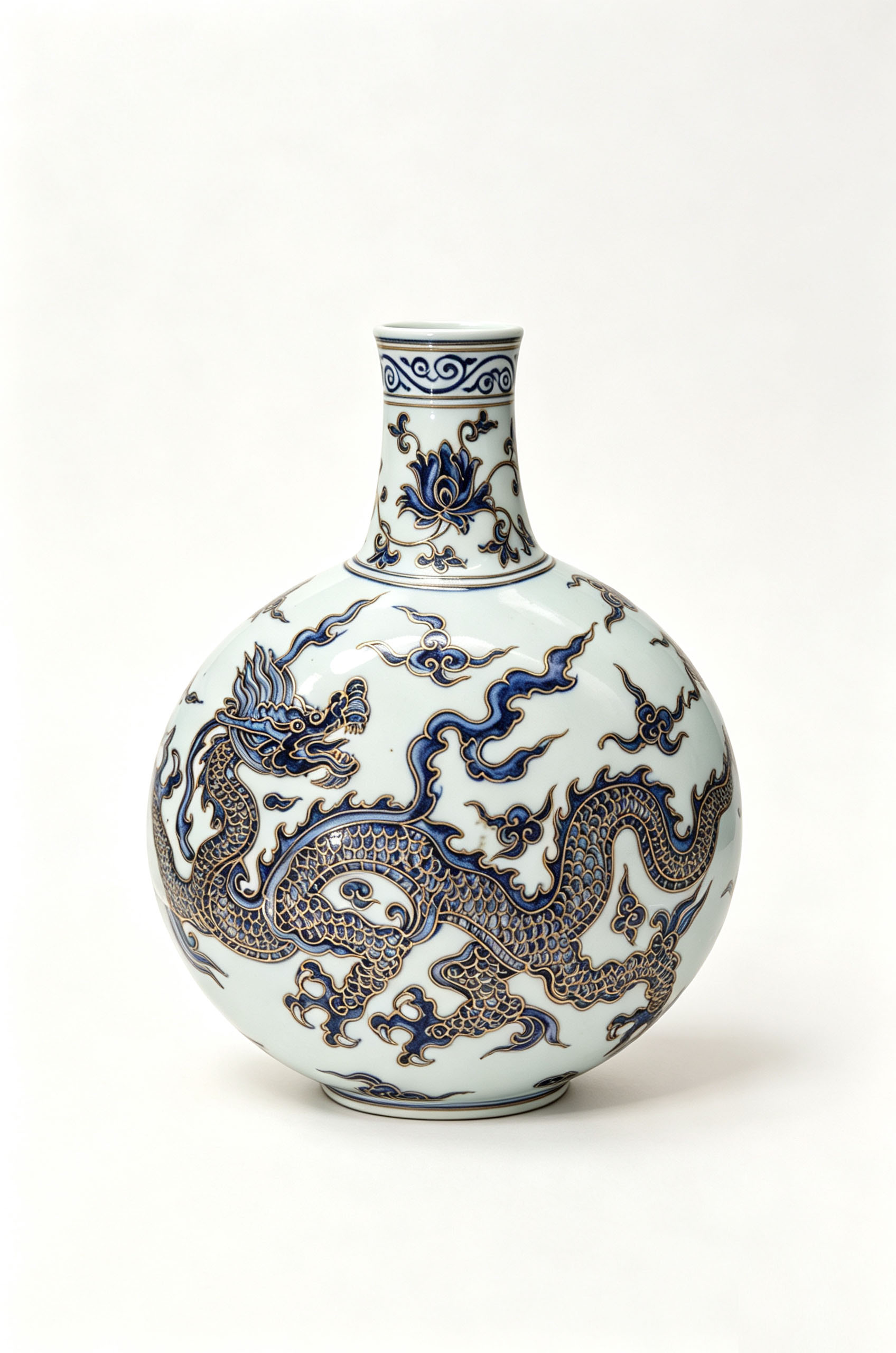
你看到元青花上那种繁密、满铺、一层又一层的花纹——那不是中国人的审美,是中东的审美。中国瓷器史上最著名的品种之一,其实是为中东客户定制的。
广州:欧洲纹章的诞生地
到了明清,广州成为中国对外贸易的主要门户。尤其 1757 年"一口通商"之后,广州几乎垄断了欧洲贸易。
欧洲商人要的瓷器,和阿拉伯商人完全不同。
他们要在瓷器上画家族纹章、欧洲风景、圣经故事、甚至自己的肖像。他们还会寄图纸、寄样品、指定颜色。
于是,广彩诞生了。
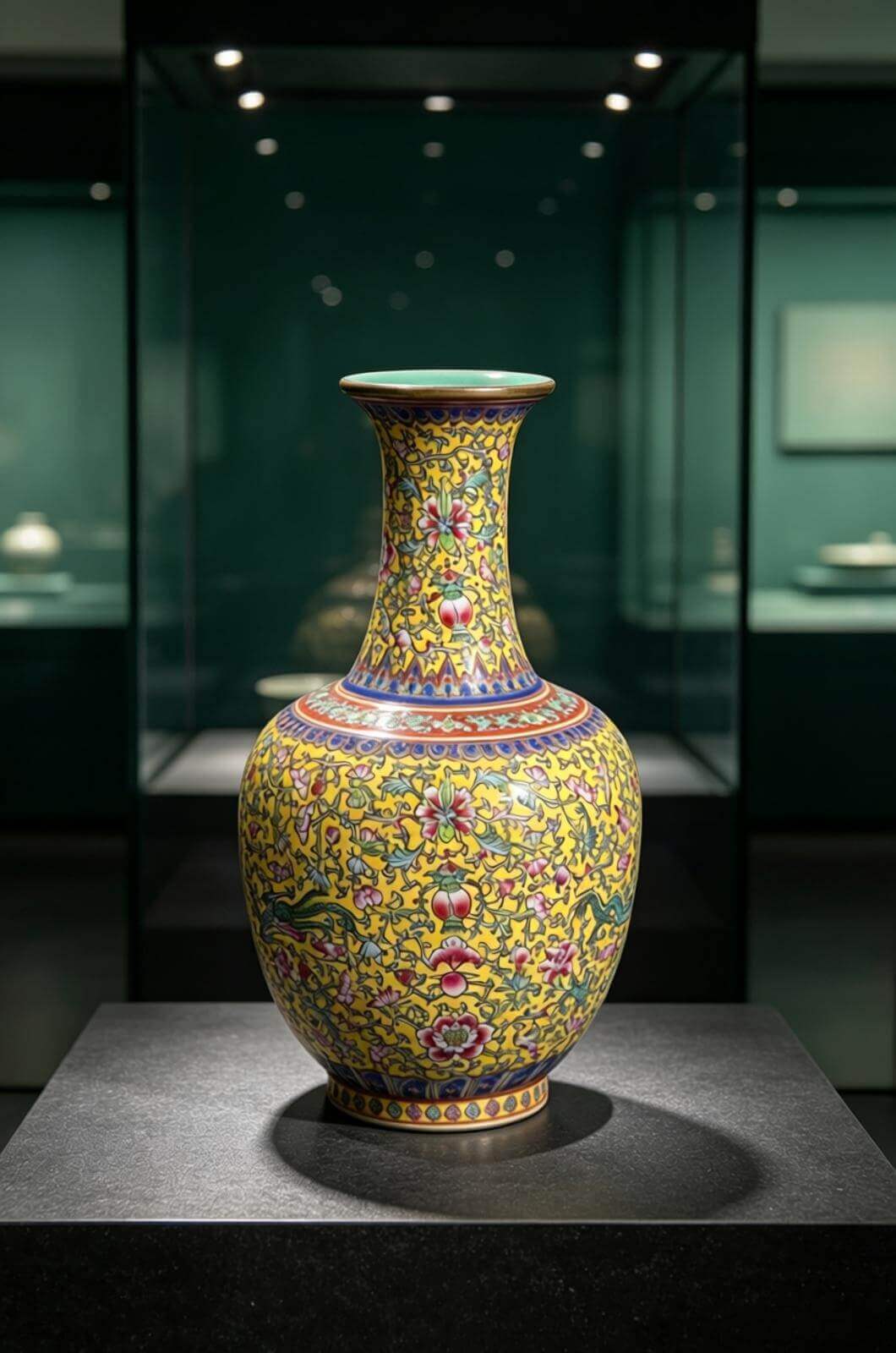
广彩是广州画工在景德镇白瓷上加彩的作品。它的特点是颜色浓艳、构图满密、大量用金。看起来金光闪闪、热热闹闹——这正是当时欧洲人想象中的"中国风"。
今天你在欧洲古堡里看到的那种绘着家族纹章的中国瓷器,几乎全是这么来的。
宁波:内销和东渡
宁波的名气不如泉州和广州,但它的位置非常关键。
它离景德镇最近——从景德镇出发,沿昌江、鄱阳湖、长江、浙东运河,就能到宁波。
它的对面是日本和朝鲜。
所以宁波出口的瓷器,主要去两个地方:一个是日本,一个是朝鲜。
日本人对中国瓷器的偏好很特殊:他们喜欢青瓷、喜欢单色釉、喜欢朴素内敛的器型。这种审美,和欧洲的浓艳喜好完全相反,反而更接近中国文人自己的品味。
所以从宁波出去的瓷器,往往是最"文人气"的那一批。龙泉青瓷、天目茶碗、宋元青白瓷——这些日本茶道珍视的东西,都是从宁波过的。
三座港的启示
今天你在拍卖行看瓷器,会看到不同风格的品种并列。
元青花繁密浓艳,广彩金光闪闪,龙泉青瓷温润内敛。
它们都是中国瓷器,但气质完全不同。为什么?
因为它们面向不同的客户,走了不同的港口,去了不同的市场。
瓷器的样子,是市场塑造的。市场的位置,是地理决定的。
如果你把中国瓷器史看成一条河,泉州、广州、宁波就是三个不同的出海口。
同一个源头,流向不同的海。
最后长出来的样子,也完全不一样。
下次你看一件外销瓷,先问一句:它从哪出海?
Chinese porcelain did not leave the country by one route.
From the Song to the Qing, three ports mattered most: Quanzhou, Guangzhou, and Ningbo.
They faced different seas, served different customers, and ran entirely different trades.
If you only remember the phrase "Maritime Silk Road", you will think porcelain export was one thing. In fact, it was three.
Three Ports, Three Directions
Put the three on a map and they form a triangle, each facing a different sea.
Three directions, three customers, three sets of demand. Porcelain export split into three streams here.
Quanzhou: Birthplace of Yuan Blue-and-White
Quanzhou was China's largest port in the Song and Yuan. Marco Polo called it "the greatest port in the world".
It hosted large numbers of Arab and Persian merchants. They did not just buy porcelain — they brought their own aesthetics, religion, and orders.
Many scholars believe that Yuan blue-and-white emerged in Jingdezhen precisely because Semu merchants in Quanzhou brought Persian cobalt (the precursor of Sumali cobalt) and Islamic motifs to Jingdezhen, and potters reproduced them.
In other words: Yuan blue-and-white was a hybrid of Islamic taste and Chinese craft.
The dense, all-over, layered decoration you see on Yuan blue-and-white is not Chinese taste. It is Middle Eastern. One of the most famous categories in Chinese porcelain history was, in fact, a custom product for Middle Eastern clients.
Guangzhou: Birthplace of European Crests
By the Ming and Qing, Guangzhou became China's main gateway for foreign trade. Especially after 1757, when the "single-port" policy made Guangzhou almost the sole entry for European trade.
What European merchants wanted was completely different from Arab merchants.
They wanted family crests, European landscapes, biblical scenes, even portraits on porcelain. They sent drawings, samples, and specified colours.
And so Canton ware was born.
Canton ware was decorated in Guangzhou on white blanks from Jingdezhen. Its features: strong colours, dense composition, heavy gilding. Glittering, busy — exactly what Europeans imagined "Chinese style" to be.
Almost all the Chinese porcelain with European family crests in European castles today came from this trade.
Ningbo: Domestic and Eastward
Ningbo is less famous than Quanzhou or Guangzhou, but its position was crucial.
It was the closest port to Jingdezhen — from there, following the Chang River, Poyang Lake, the Yangtze, and the eastern Zhejiang canal, you reached Ningbo.
And it faced Japan and Korea.
So porcelain leaving from Ningbo went mainly to two places: Japan and Korea.
Japanese taste for Chinese porcelain was distinctive: they loved celadon, monochromes, and restrained, plain forms. This taste was the opposite of Europe's love of bright colour — closer, in fact, to Chinese literati taste itself.
Porcelain leaving from Ningbo therefore tended to be the most "literati" of pieces. Longquan celadon, tenmoku tea bowls, Song-Yuan qingbai — the treasures of Japanese tea ceremony — all passed through Ningbo.
What the Three Ports Tell Us
Look at porcelain at auction today and you see different styles side by side.
Yuan blue-and-white, dense and rich. Canton ware, glittering with gold. Longquan celadon, warm and inward.
All Chinese porcelain, and yet entirely different in character. Why?
Because they served different customers, left through different ports, and went to different markets.
The shape of porcelain is shaped by the market. The market's location is decided by geography.
If you think of Chinese porcelain history as a river, Quanzhou, Guangzhou, and Ningbo were three different mouths.
One source, flowing into different seas.
And what grew from each was entirely different.
Next time you see export porcelain, ask first: which port did it leave from?