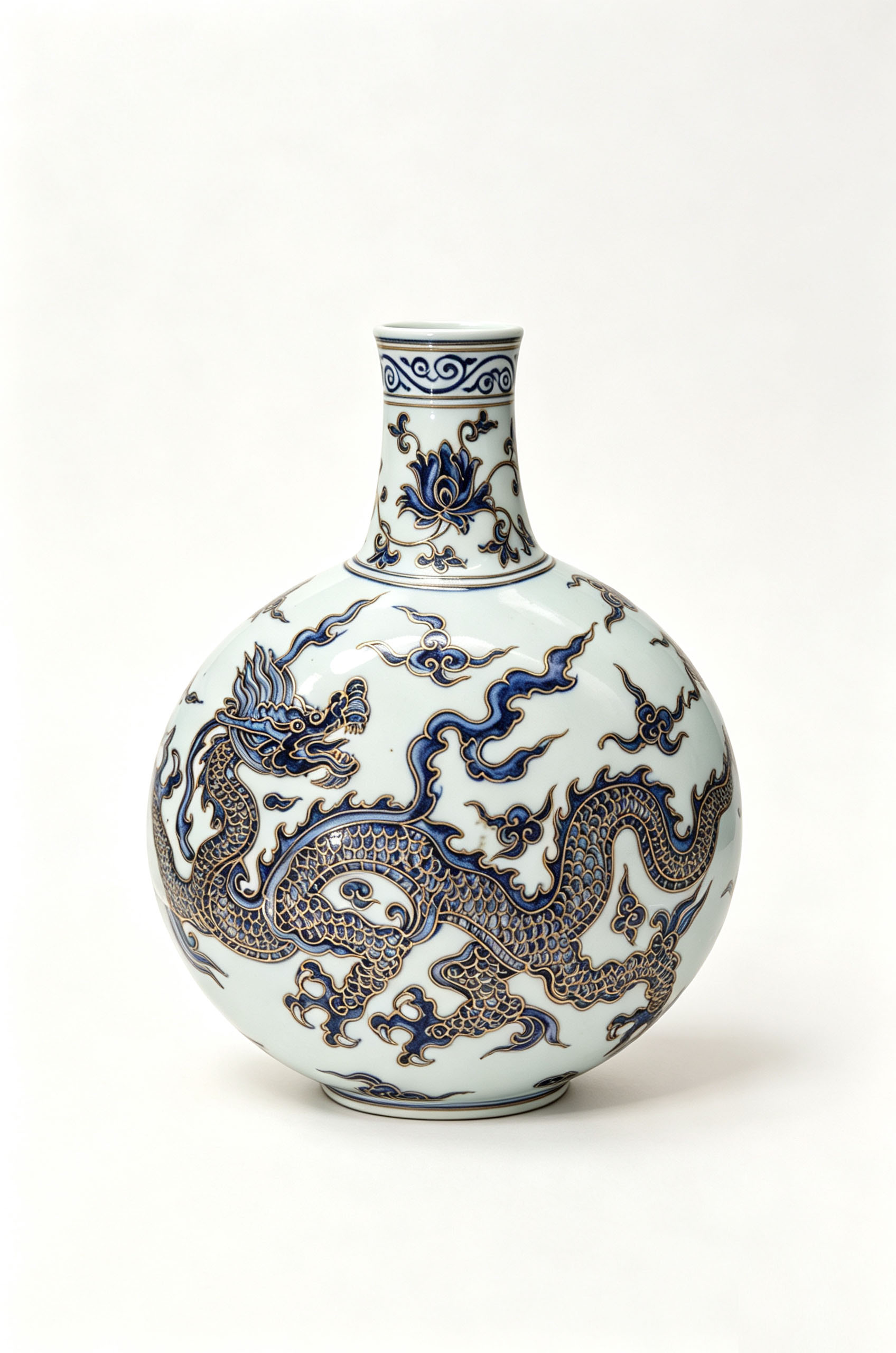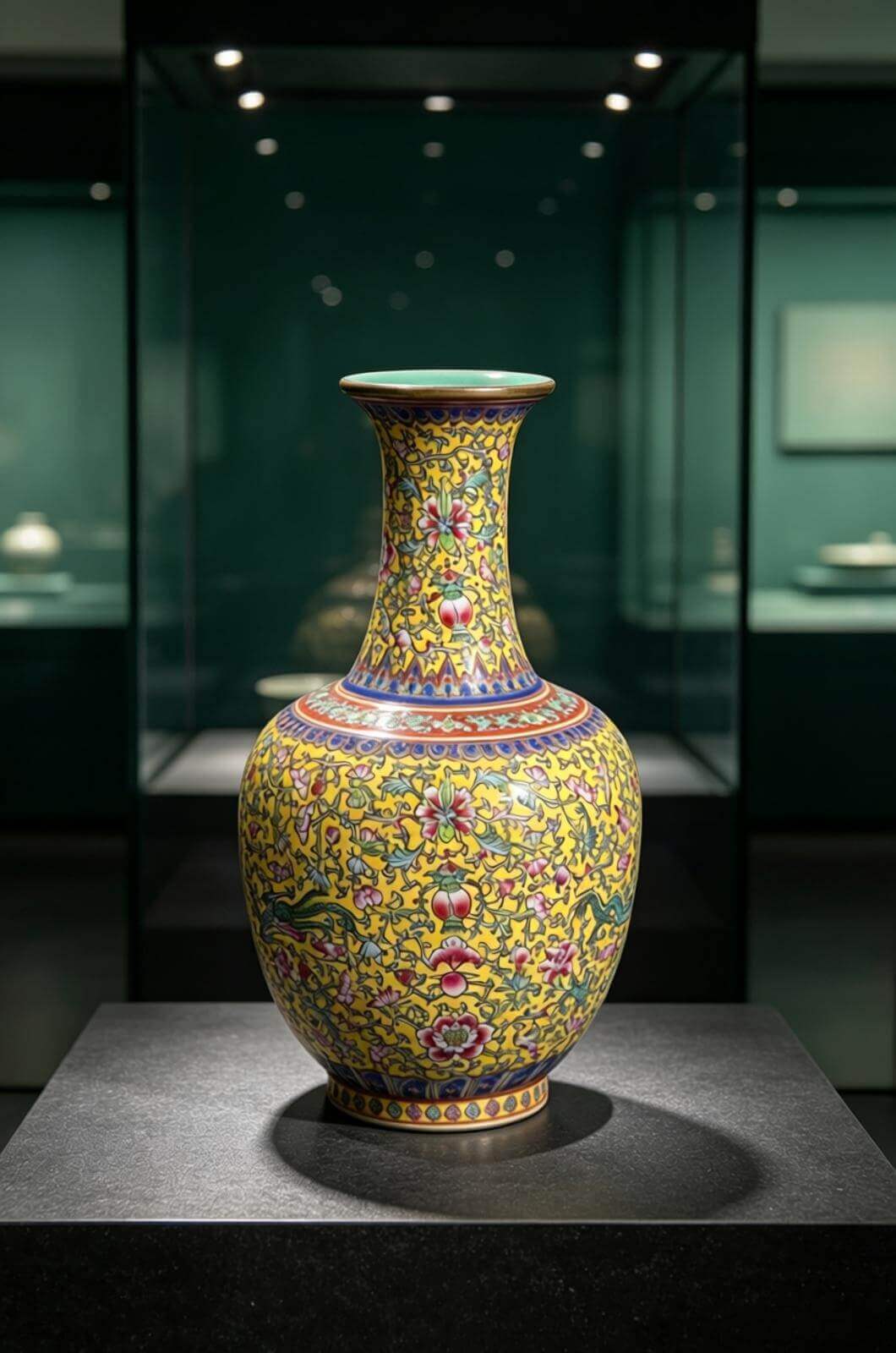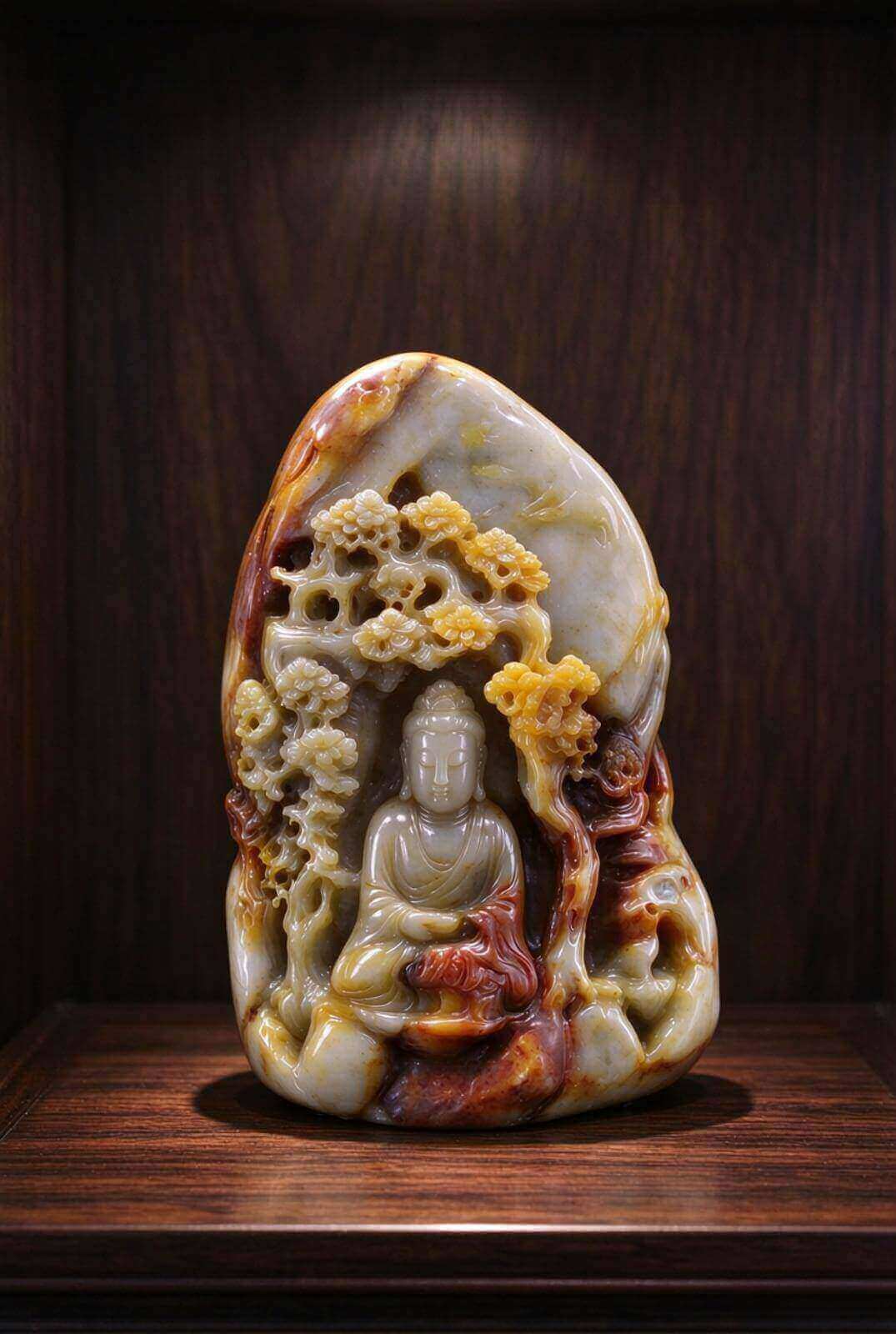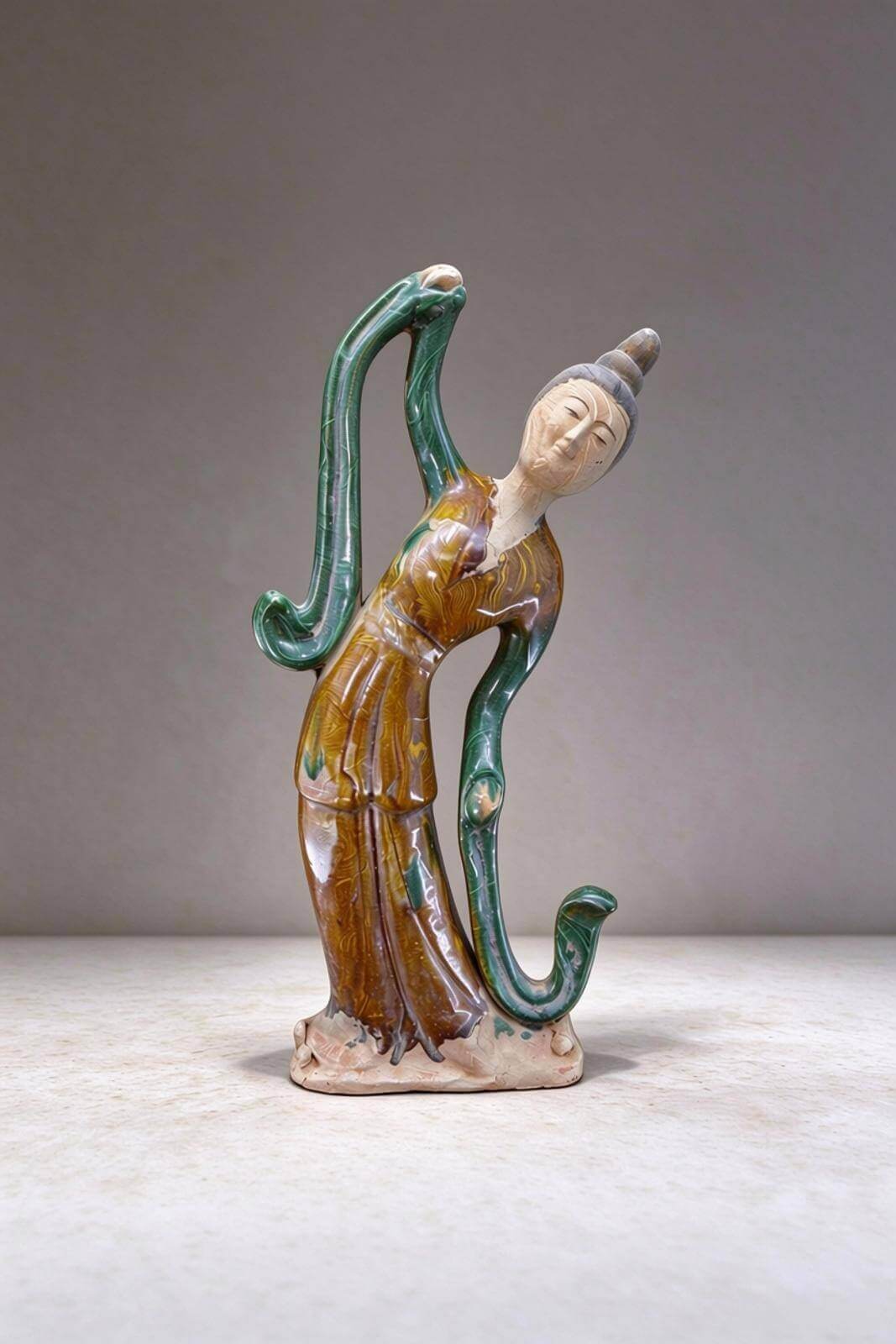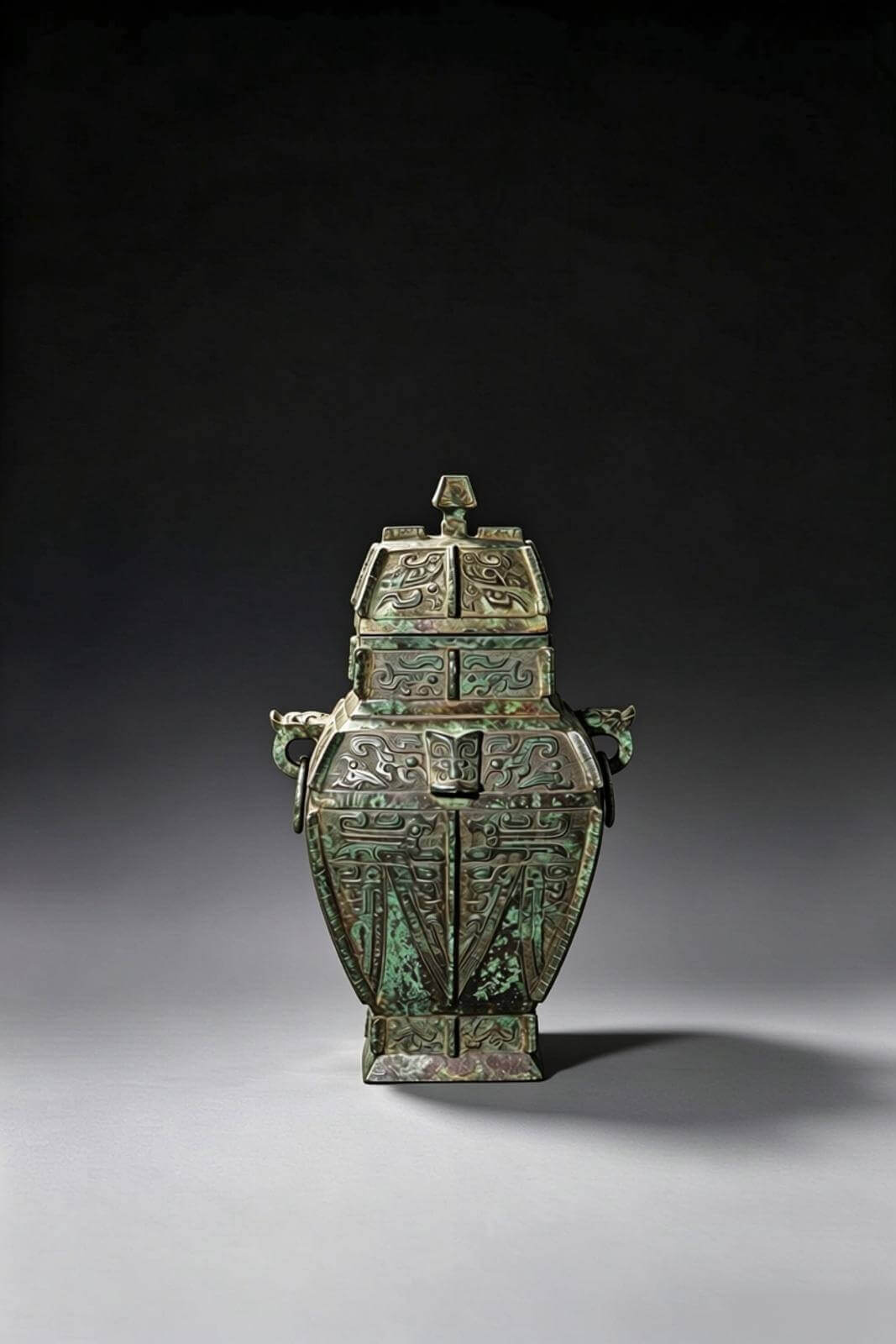
今天你去大英博物馆、大都会博物馆、吉美博物馆,会看到数以万计的中国文物。
青铜器、瓷器、书画、佛像、壁画……从商周到明清,几乎每个时代都有。
它们是怎么出去的?
答案不是一句话,而是一百年。
从鸦片战争开始
1840 年,英国舰队抵达广东海面。两年后,《南京条约》签订,中国被迫开放五个通商口岸。
此后七十年,中国进入了一个持续的动荡期。战争、赔款、内乱,一轮接一轮。
文物,就在这个过程中大量流出。
三重力量
文物外流不是单一原因造成的。它至少有三重力量在推动。
第一,战争掠夺。1860 年英法联军劫掠圆明园、1900 年八国联军进京,都是赤裸裸的掠夺。这部分文物直接进入了英、法、德、美等国的博物馆和私人收藏。
第二,赔款抵债。《辛丑条约》规定的 4.5 亿两白银赔款,清政府根本无力支付。为了凑钱,大量官藏、王府藏品被变卖,不少直接流向外商。也有官员主动用文物抵偿债务。
第三,博物馆采购。这是最容易被忽略,也最系统的一股力量。20 世纪初,西方各大博物馆纷纷设立东方部,派出专员到中国采购文物。
其中最有名的例子,是英国探险家斯坦因(Aurel Stein)。他三次进入中国西北,从敦煌藏经洞带走大量经卷、绢画。这些文物现在主要收藏于大英博物馆和印度国家博物馆。
古董商人
在文物外流的过程中,有一群人扮演了关键角色:古董商人。
北京琉璃厂、上海五马路、天津法租界——这些地方形成了从收购到出口的完整网络。
古董商人从没落贵族、破产官僚、盗墓者手上收购文物,再转手卖给外国买家。他们中有些人确实发了大财,但也有些人后来才意识到,他们卖掉的不仅是商品。
其中一些商人晚年写下回忆录,说这是他们一生最后悔的事。但文物一旦出了国,就很难再回来。
今天的回望
文物外流是中国近代史的一道伤口。但今天回望,也许可以有更冷静的视角。
一方面,大量文物外流确实是中国文化遗产的巨大损失。很多顶级文物至今仍在国外,短期难以回归。
另一方面,这些出国的文物也成了中国文化在海外的"大使"。大英博物馆的中国馆、大都会的亚洲馆,是无数外国人第一次了解中国艺术的窗口。
近二十年,中国政府和民间在持续回购流失文物。一部分已经回归,但更多的是永久留在了国外。
今天的收藏者,在海外市场买到一件中国文物,某种程度上也是在延续这段历史。
一件文物从中国出去,可能只用了几个月。
但它回来的路,走了一百多年,还没走完。
理解这段历史,也许比纠结对错更重要。
Go to the British Museum, the Metropolitan, or the Musée Guimet today, and you will see tens of thousands of Chinese artefacts.
Bronzes, ceramics, paintings, Buddhist statues, murals — from the Shang and Zhou all the way to the Ming and Qing.
How did they get out?
The answer is not one sentence. It is a hundred years.
It Began with the Opium War
In 1840, a British fleet arrived off the Guangdong coast. Two years later, the Treaty of Nanjing forced China to open five treaty ports.
For the next seventy years, China entered a long period of turbulence. War, indemnity, and internal conflict, one after another.
Antiques flowed out in the process.
Three Forces
The outflow was not caused by any one thing. At least three forces drove it.
First, war and looting. The Anglo-French sack of the Old Summer Palace in 1860 and the Eight-Nation Alliance entry into Beijing in 1900 were straightforward plunder. Much of this material went directly into museums and private collections in Britain, France, Germany, and the United States.
Second, indemnity payments. The 450 million taels demanded under the Boxer Protocol were far beyond the Qing government's means. To raise funds, official and princely collections were sold off, often directly to foreign buyers. Some officials also paid debts with artefacts.
Third, museum acquisitions. This is the least discussed but most systematic force. In the early twentieth century, major Western museums established Oriental departments and sent agents to China to buy antiques.
The most famous example is the British explorer Aurel Stein. He entered northwest China three times and removed large quantities of scrolls and silk paintings from the Dunhuang library cave. These are now held mainly in the British Museum and the National Museum of India.
The Antique Dealers
One group played a key role: the antique dealers.
Beijing's Liulichang, Shanghai's Wuma Road, the French Concession in Tianjin — these formed a complete network from acquisition to export.
Dealers bought from declining nobles, bankrupt officials, and tomb raiders, then resold to foreign buyers. Some made fortunes. Others only later realised they had sold not just merchandise.
Some wrote memoirs in old age saying this was the greatest regret of their lives. But once antiques left the country, they rarely came back.
Looking Back Today
The outflow is a wound in modern Chinese history. But from today's vantage, perhaps we can take a cooler view.
On one hand, the loss to China's cultural heritage is real and enormous. Many top-tier pieces remain abroad and are unlikely to return soon.
On the other, these pieces have become cultural ambassadors abroad. The Chinese galleries of the British Museum and the Met are where many foreigners first encounter Chinese art.
Over the past two decades, the Chinese government and private collectors have been buying back lost artefacts. Some have returned. Many more will remain abroad permanently.
When a collector today buys a Chinese piece on the overseas market, they are in some sense continuing this history.
An artefact may have left China in a few months.
But its path back has taken over a hundred years — and it is not finished.
Understanding that history may matter more than deciding who was right.