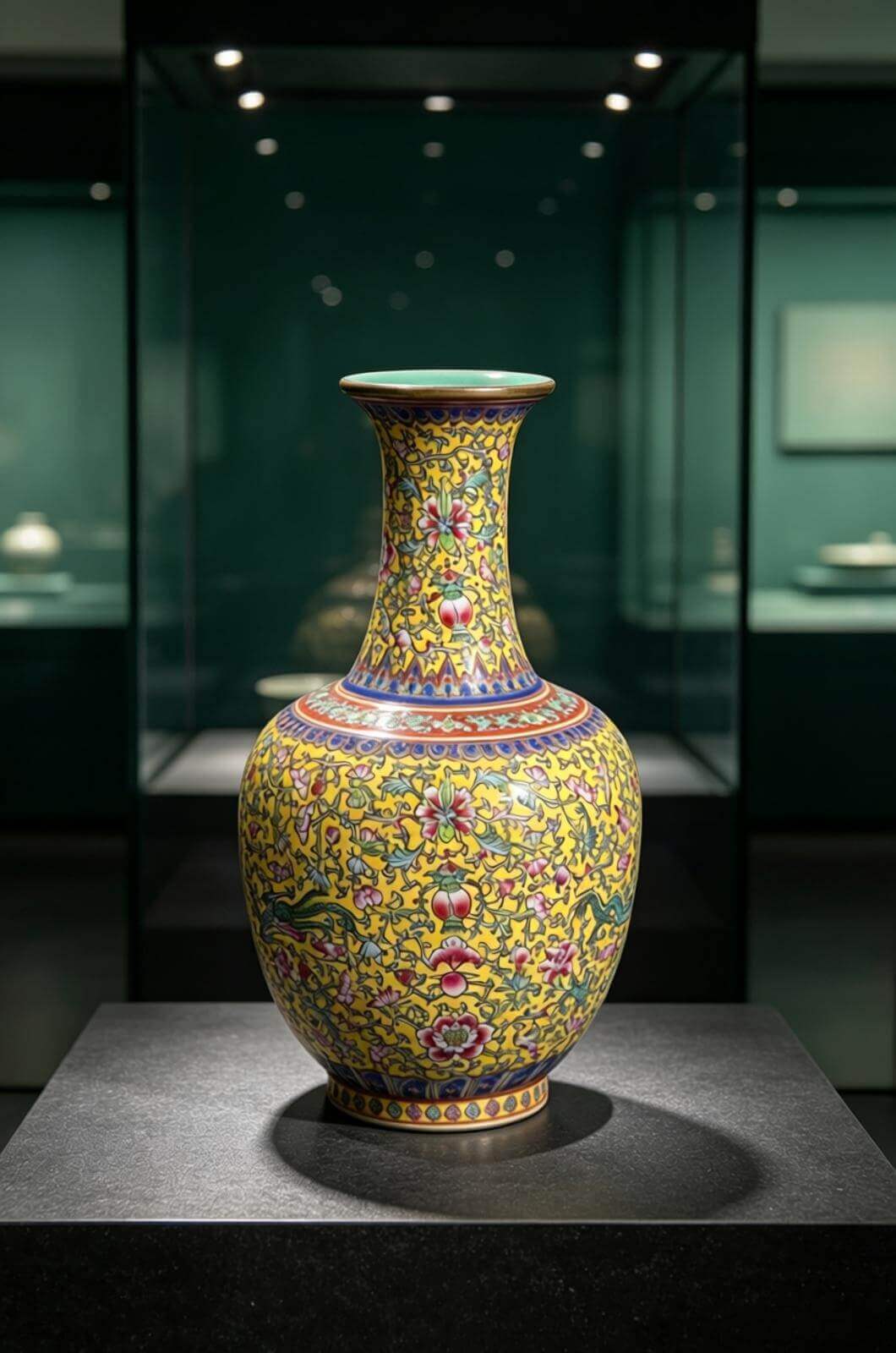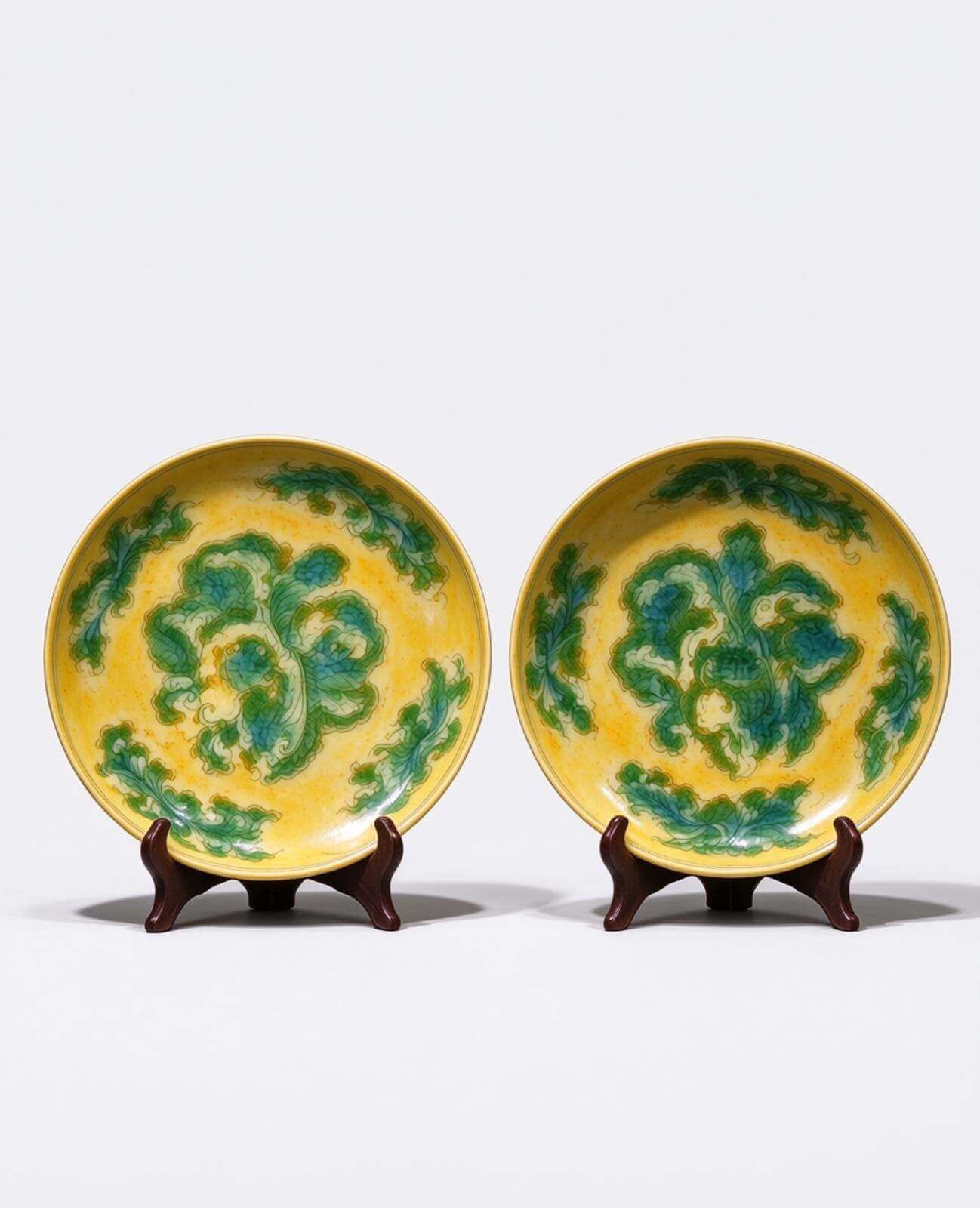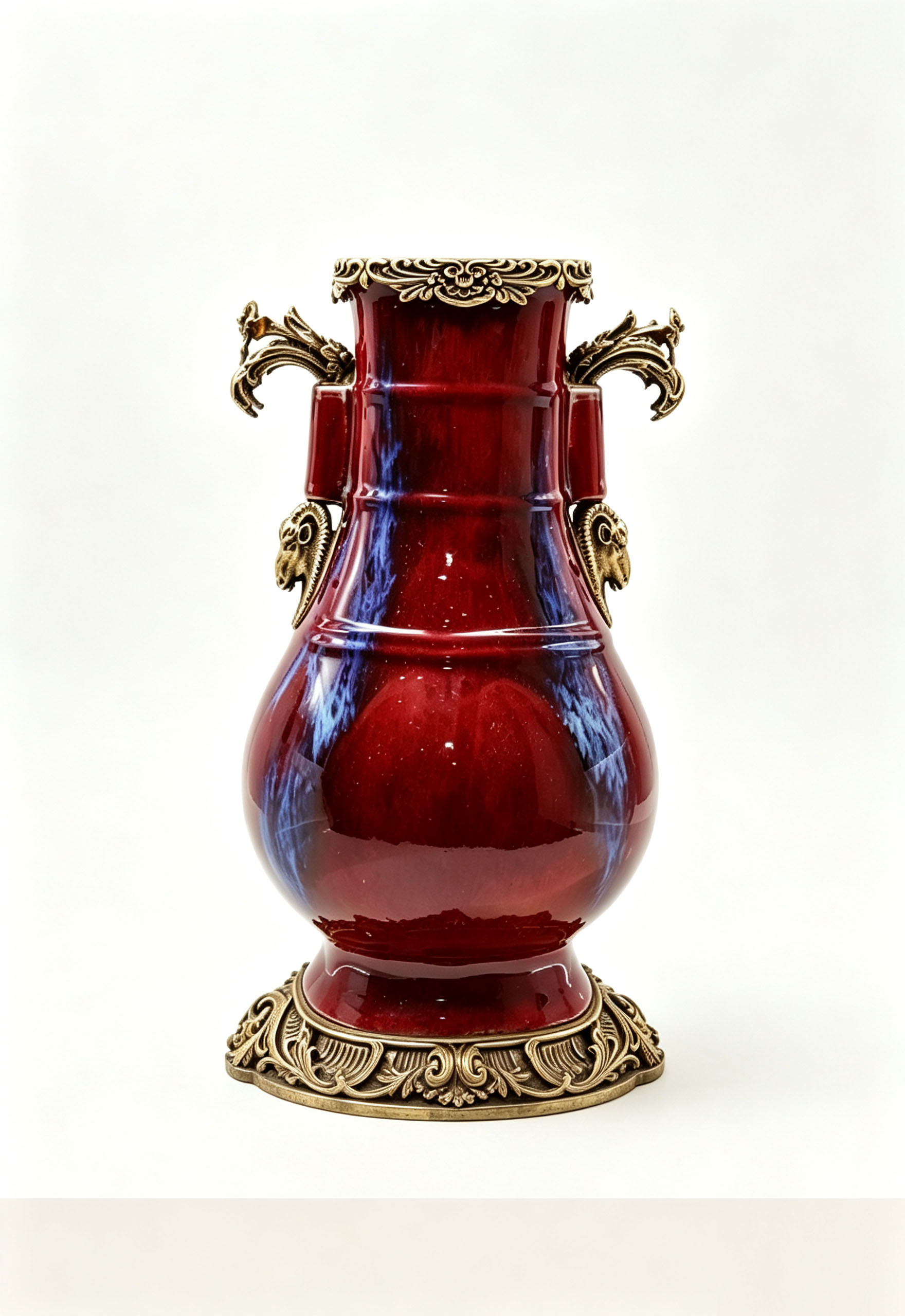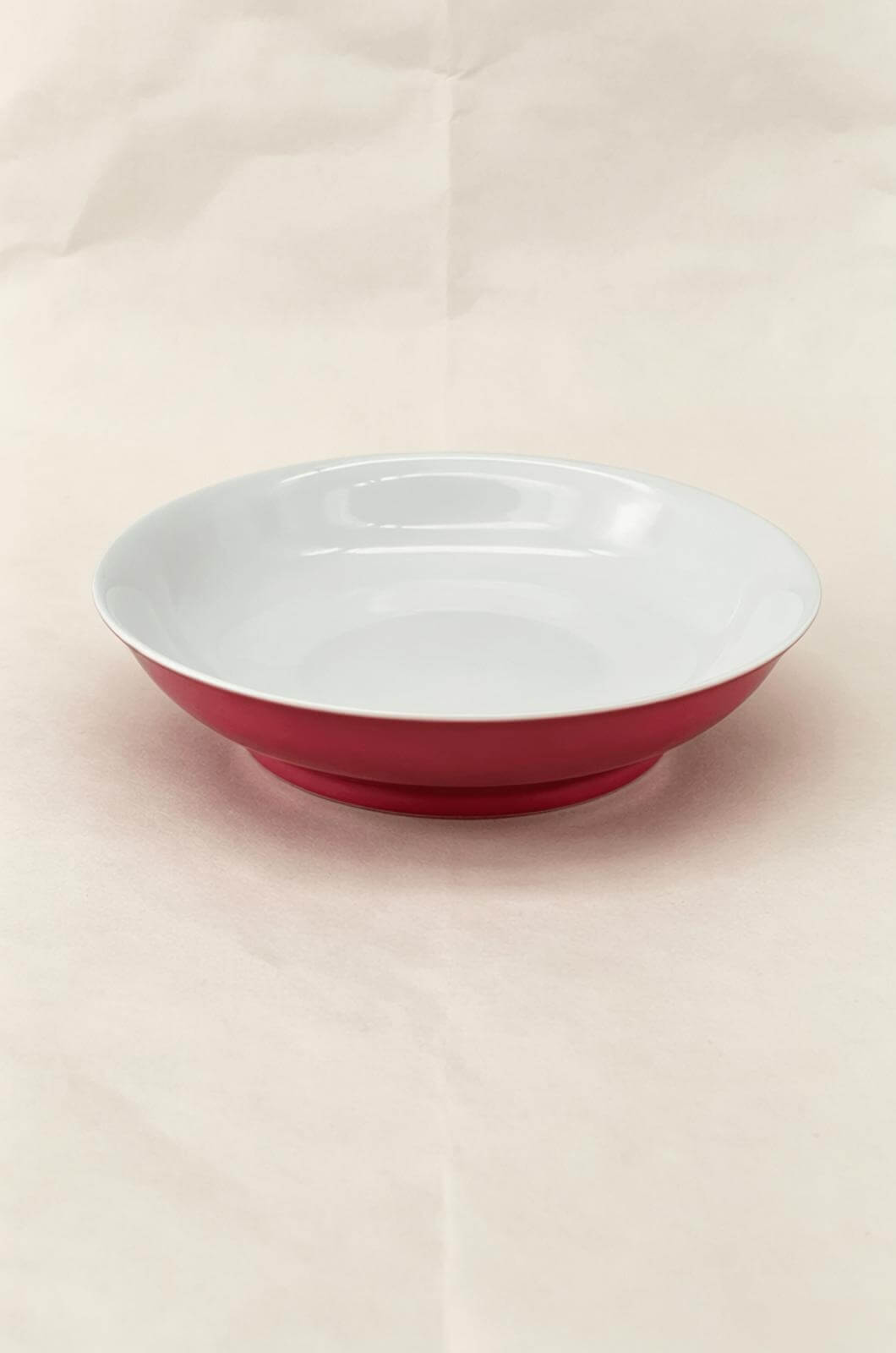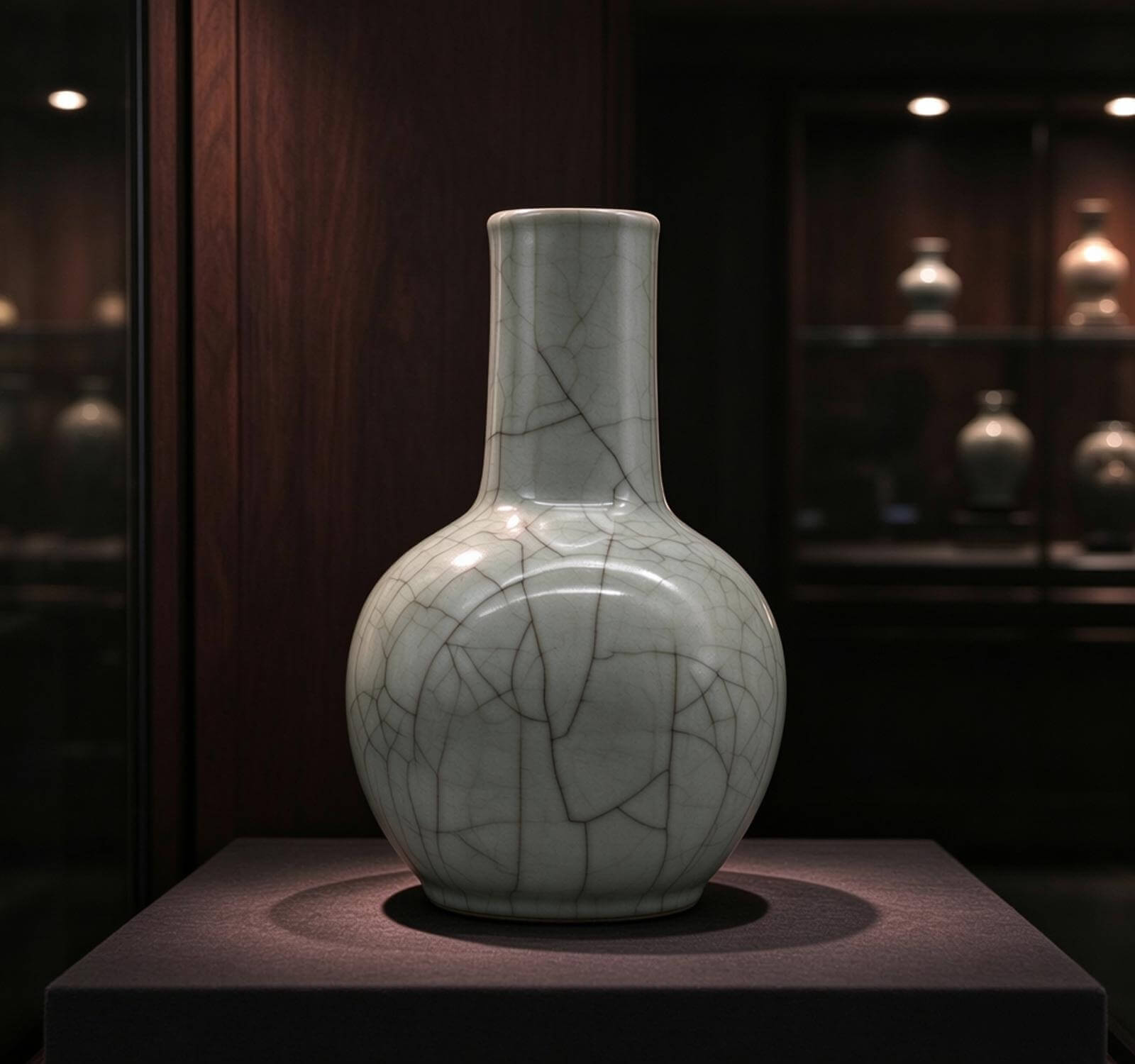
今天在拍卖行里,最让人头疼的不是"一眼假",而是"民国仿"。
它们不是现代仿品——那些破绽太明显。它们也不是真品——但怎么看都像。
它们是民国仿古,一群工匠在三十多年里做出来的东西。工艺水平之高,让今天的专家都要拿放大镜反复看。
为什么会这样?三个条件,恰好那个年代同时具备。
条件一:宫廷匠人流入民间
1911 年清朝灭亡,清宫的造办处解散。那里本来是给皇帝做东西的地方——瓷器、玉器、铜器、家具、钟表、珐琅,全都有专门的工匠。
皇帝没有了,这些工匠也失业了。
一部分回了老家,一部分南下。北京、天津、上海的古董商,立刻开始高价招募他们。因为这些人手里有真本事——他们是给乾隆、光绪做过东西的人。
于是,一套原本只服务于宫廷的顶级工艺,流入了市场。
这不是普通的工匠。他们用的是最好的原料,会的是最精的技法,见过的是最真的真品。仿出来的东西,怎么可能不像?
条件二:上海开埠
1843 年上海开埠之后,这里迅速成为中国最大的通商口岸。
有钱人来了——外国商人、洋行买办、军阀、遗老遗少。他们要什么?要"有品位的东西"。
于是古董市场爆发式增长。五马路、广东路、河南路一带,形成了几百家古董铺。
需求大,供给少。真品不够卖,仿品自然就有了市场。
更重要的是:上海的买家不只是中国人。外国人也买中国古董。这意味着仿品的市场不只是国内,而是全球。一个仿品工匠,可能一辈子都在为外国客户做东西。
条件三:古董商网络
民国仿古不是一个工匠一个人完成的。它是一个产业链。
链条大致是这样的:
每一环都有专人负责。这已经不是"工匠"的问题,而是一个完整的产业。
所以民国仿古的厉害,不在某一个人身上,而在一整套系统上。
今天怎么看民国仿古
今天你在拍卖行看到的民国仿品,有两个方向:
一是当"仿品"买。价格比真品低很多,但工艺水平很高。如果你喜欢那个年代的手艺,民国仿品本身也是古董。
二是当"真品"防。这是收藏里最麻烦的事。专家只能通过一些细微的差异去判断——釉面的老化方式、彩料的化学成分、胎体的气质、包浆的层次。
几个常见的判断要点:
一、老化的位置。真品的老化通常从使用频繁的地方开始(底部、口沿、把柄)。仿品做旧常是"整体一致"。
二、胎的气质。民国仿品虽然工艺好,但胎土、窑火的细微差异,往往在放大镜下能看出来。
三、款识的气韵。民国的仿写款识,笔画往往比真品略"紧",少了那种从容。
四、来源的可疑度。如果一个"真品"的来源刚好说不清,价格又特别有吸引力,先怀疑。
民国只存在了三十八年,但它留下的仿品,影响了之后的整个古董市场。
很多人以为仿品是"低端"的。但民国的仿品恰恰相反——它可能是中国历史上工艺水平最高的仿品。
理解民国仿古,不只是学会辨伪。
也是理解一个动荡年代里,一门手艺是怎么被保留下来的。
The hardest thing to deal with at an auction today is not the obvious fake. It is the "Republic copy".
These are not modern fakes — those give themselves away immediately. And they are not originals either — but they look exactly like them.
They are Republic-era copies, made by craftsmen over three decades. The level of craft is so high that experts today still examine them with a loupe.
Why did this happen? Three conditions happened to converge at that moment.
Condition One: Palace Craftsmen Entering the Market
In 1911, the Qing dynasty fell, and the imperial workshops were disbanded. These had been the workshops that made things for the emperor — porcelain, jade, bronze, furniture, clocks, enamel, each with its own master craftsmen.
With the emperor gone, the craftsmen lost their jobs.
Some returned to their home villages; some went south. Dealers in Beijing, Tianjin, and Shanghai immediately began hiring them at high rates. Because these were people who had made things for Qianlong and Guangxu.
And so a set of top-tier skills, previously reserved for the palace, flowed into the market.
These were not ordinary craftsmen. They used the best materials, mastered the finest techniques, and had seen the most authentic originals. How could their copies not look real?
Condition Two: Shanghai Opens
After Shanghai opened as a treaty port in 1843, it quickly became China's largest trading hub.
Money arrived — foreign merchants, compradors, warlords, dispossessed aristocrats. And what did they want? Things with taste.
The antique market exploded. Along Wuma Road, Guangdong Road, and Henan Road, hundreds of antique shops clustered.
Demand was high, supply was short. Real pieces could not meet demand, so copies found a market.
More importantly: the buyers in Shanghai were not only Chinese. Foreigners also bought Chinese antiques. This meant the market for copies was not domestic but global. A single faker might spend his whole career making pieces for foreign clients.
Condition Three: The Dealer Network
Republic copies were not made by one craftsman working alone. They were an industry chain.
The chain ran roughly like this:
Each link had its own specialists. This was no longer a question of a single craftsman — it was an entire industry.
The strength of Republic-era faking lay not in any one person, but in the system.
How to Look at Them Today
Republic-era copies at auction today can be approached two ways:
First, buy them as copies. Far cheaper than originals, but often very fine craft. If you appreciate the workmanship of that era, a Republic copy is itself an antique.
Second, guard against them as originals. This is the collector's real headache. Experts can only judge by subtle differences — how the glaze has aged, the chemical composition of pigments, the character of the body, the layering of patina.
A few points to look for:
Where the ageing sits. Real ageing begins where the object was used most (base, rim, handles). Faked ageing tends to be uniform.
The character of the body. Republic copies are skilful, but subtle differences in clay and kiln atmosphere often show under a loupe.
The spirit of the mark. Republic imitations of reign marks tend to be a little "tighter" than the originals — the ease is missing.
The suspiciousness of the provenance. If a "real" piece has an unclear provenance and an especially attractive price, suspect it.
The Republic lasted only thirty-eight years. But the copies it produced shaped the antique market for decades afterward.
Many assume copies are "low-end". Republic copies are the opposite — quite possibly the most skilful fakes in Chinese history.
Understanding them is not just about authentication.
It is also about understanding how a craft was preserved through a turbulent era.