景德镇在江西,北京在华北。两地直线距离一千两百公里,中间隔着山脉、平原、好几条大河。
在没有火车、没有卡车的年代,怎么把易碎的瓷器从景德镇运到北京?
答案是一条河——不,是一整套水路系统。
瓷器的"高速公路"
中国从隋唐开始修建的京杭大运河,北起北京,南到杭州,全长约 1800 公里。
它是世界上最长的人工河道,也是帝制中国最重要的运输系统。粮食、盐、丝绸、瓷器——所有大宗货物都走这条水路。
瓷器从景德镇出发,要经过六个关键节点。
瓷器怎么装船
瓷器易碎,不能随便堆。装船是一门专门的手艺。
最常见的办法是:用稻草或木屑裹单件,再装在竹筐或木箱里,箱与箱之间塞满稻草。
整个箱子再一层层码在船舱里,最下面压重物(比如铁锅、陶器),最上面放轻的东西。
即便如此,破损率仍然很高。清代的一份档案记载:从景德镇到北京,一千件瓷器运到,通常能完整到岸的只有七八百件。
剩下两三成的损耗,成本早就加进了售价里。
运河水路 vs 海运
明清时期,瓷器出口其实有两条路。
一是走运河往北,供国内和朝廷使用。这条路稳,速度慢,但沿途有市场、有驿站、有保障。
二是走海运往南,供外销出口。从广州出海,直接去欧洲、中东、东南亚。这条路快,但风险大,遇上海盗或风暴就全没了。
两条路服务两个市场。运河是内循环,海路是外循环。
这也是为什么今天的瓷器收藏有两个不同的体系——内销瓷和外销瓷,从原料、纹饰、尺寸到质量标准都不一样。
根子,就在这两条路上。
运河断了,瓷器也就变了
1855 年,黄河改道,冲垮了运河山东段。此后大运河逐渐淤塞,漕运时断时续。
1901 年,清政府正式废除漕运制度。京杭大运河作为国家运输系统的时代,结束了。
与此同时,海运和铁路兴起。瓷器可以更快、更便宜地从上海、天津运出去。
但一个时代也随之结束——那种沿着运河、一站一站卖瓷器的地方市场,逐渐消失了。
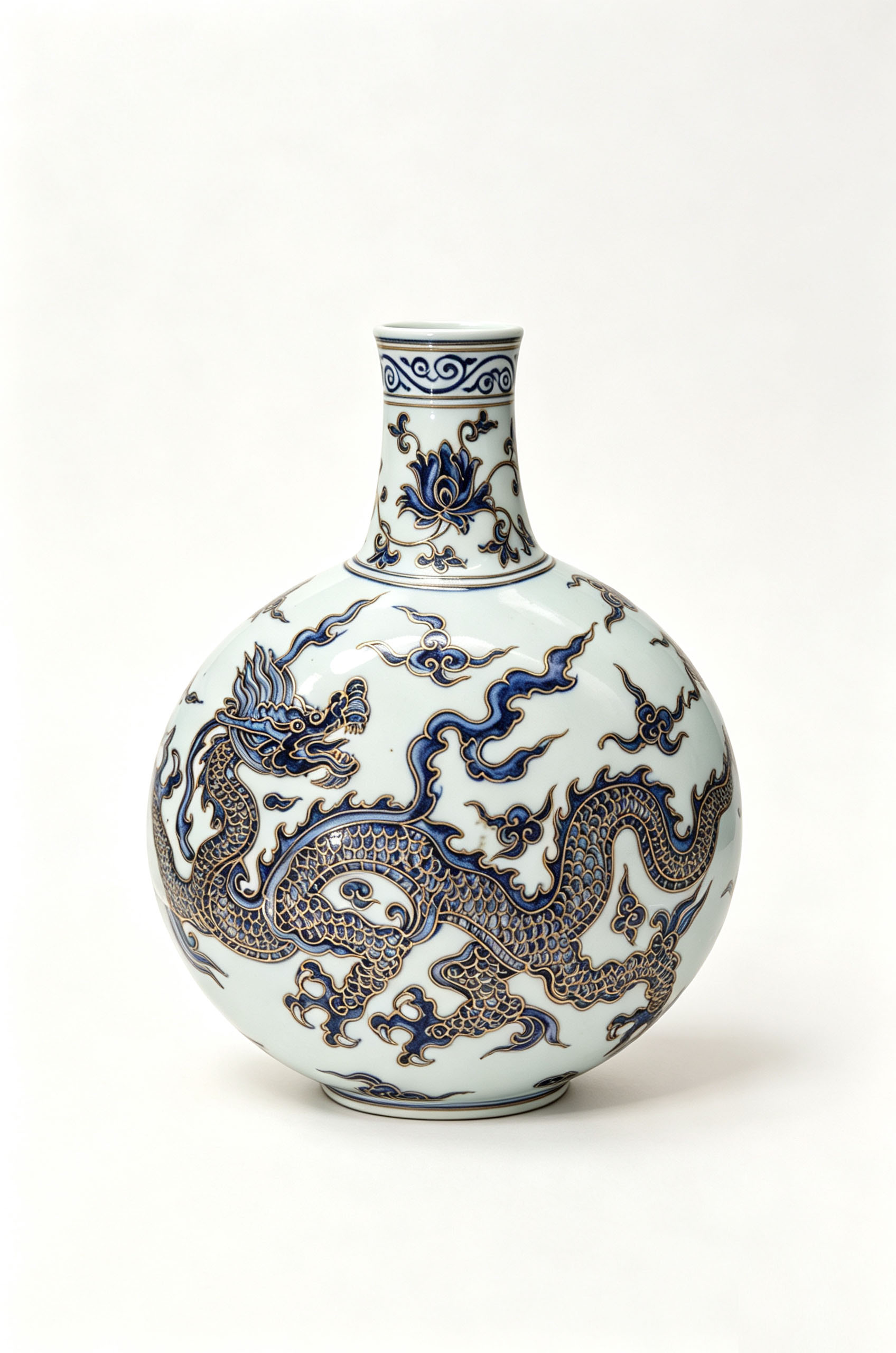
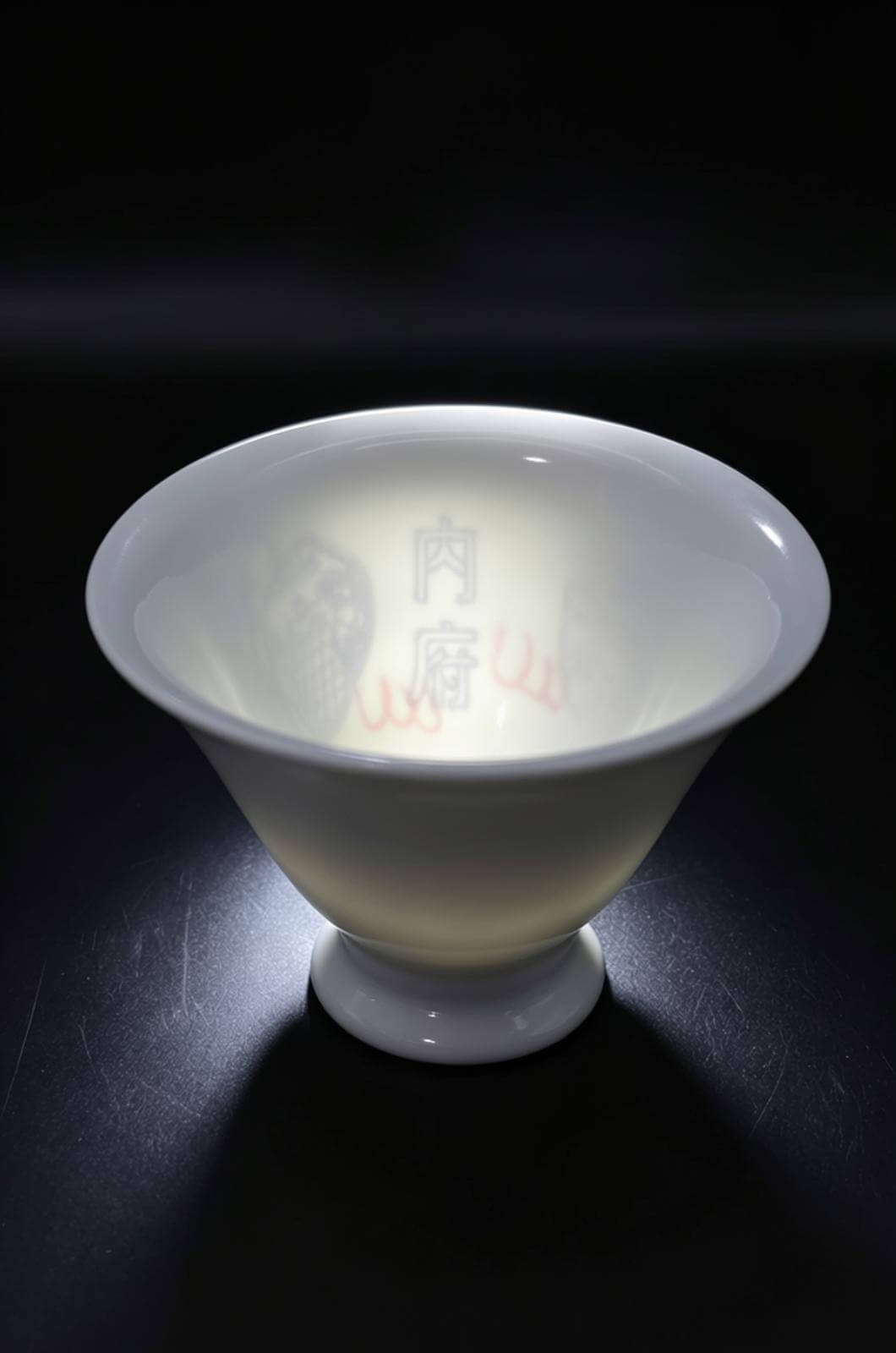
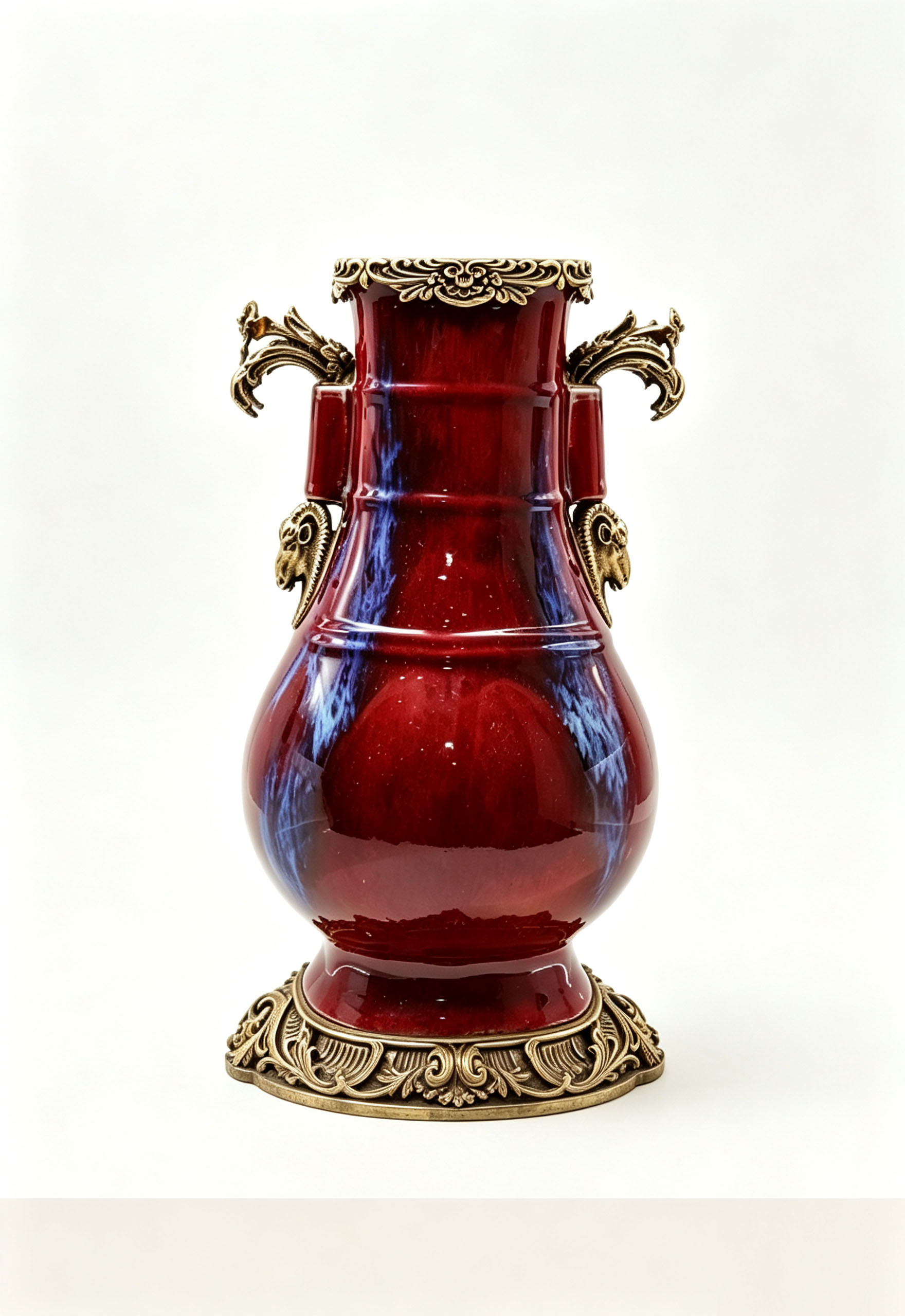
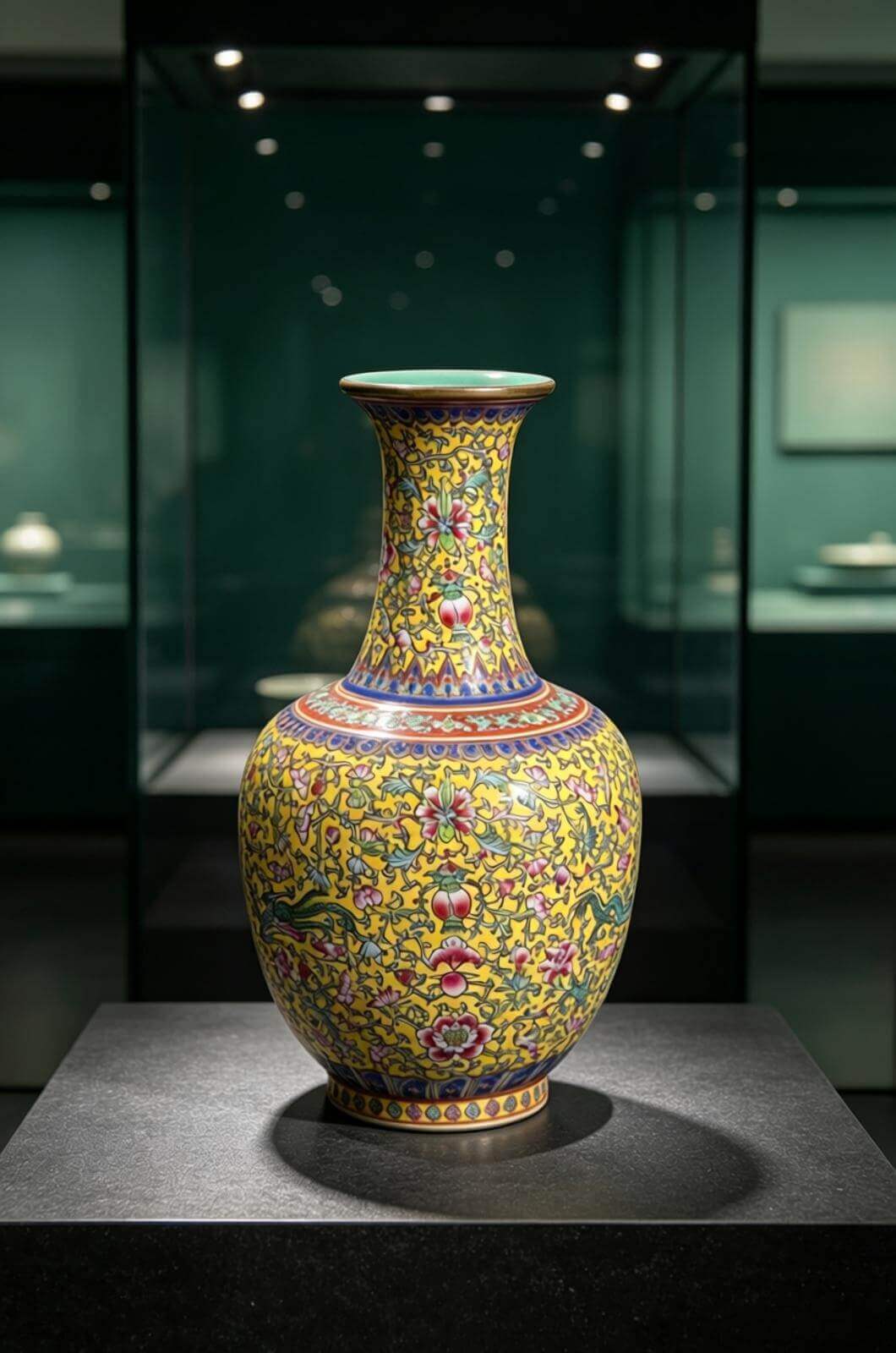
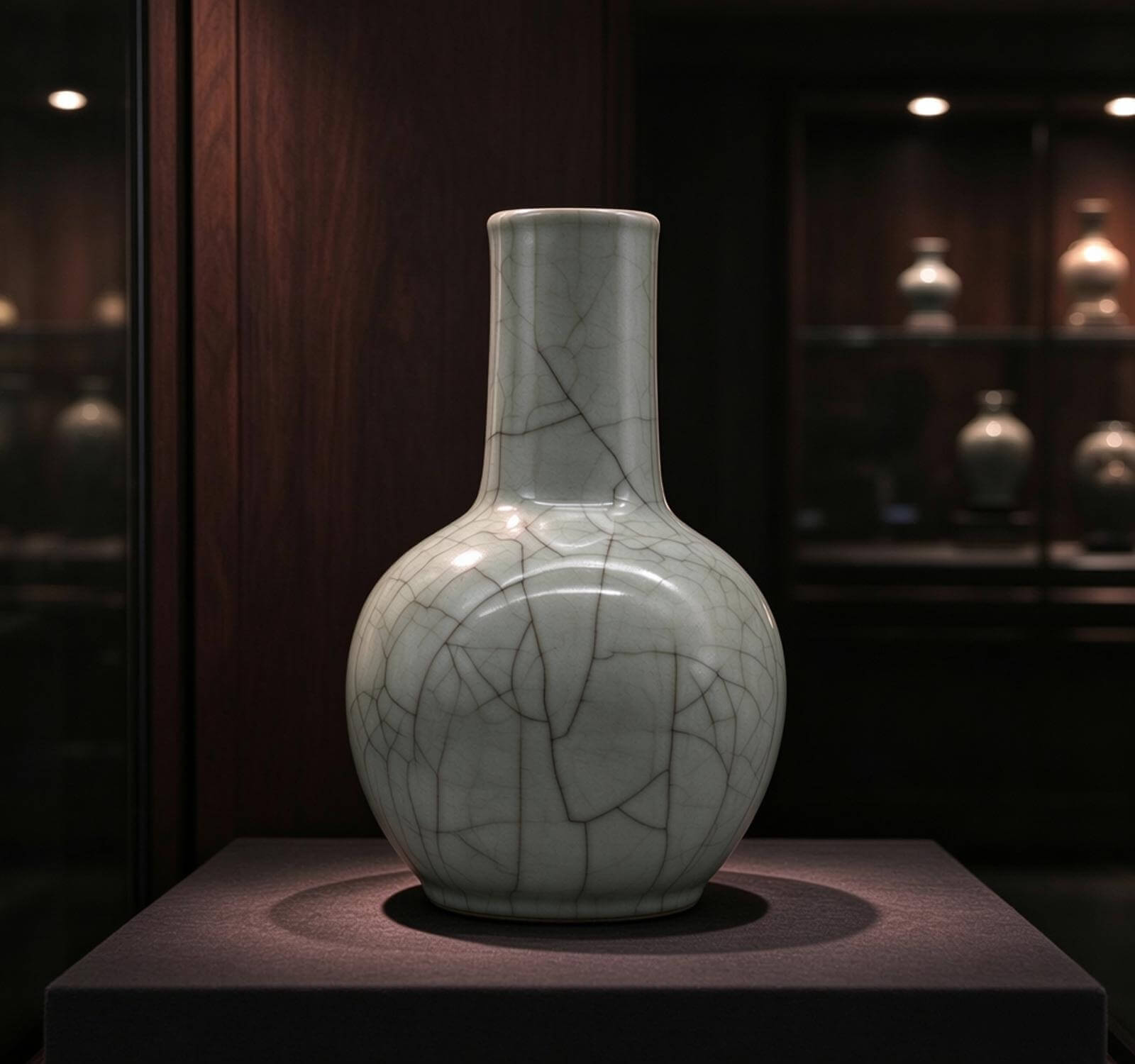
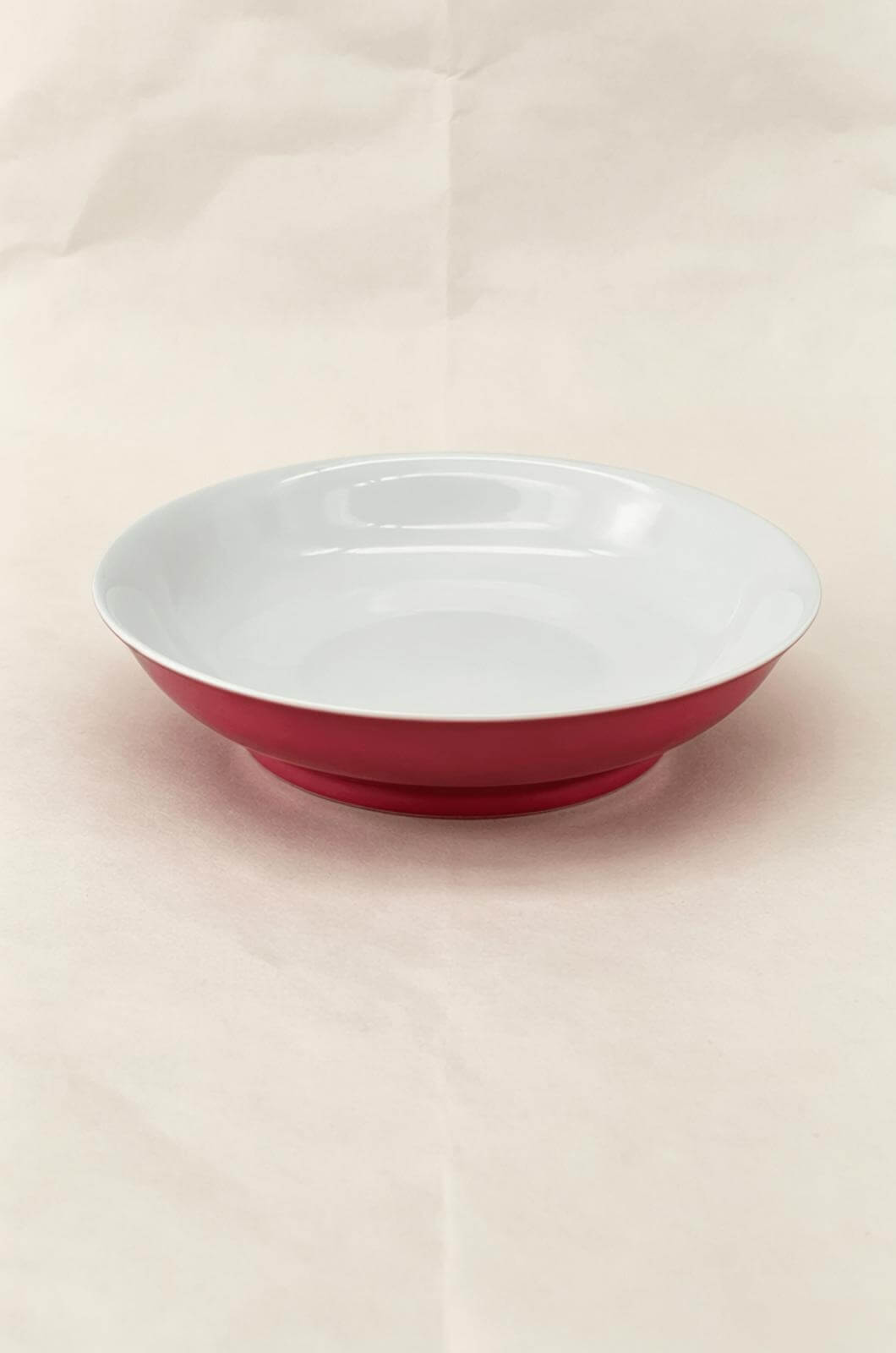
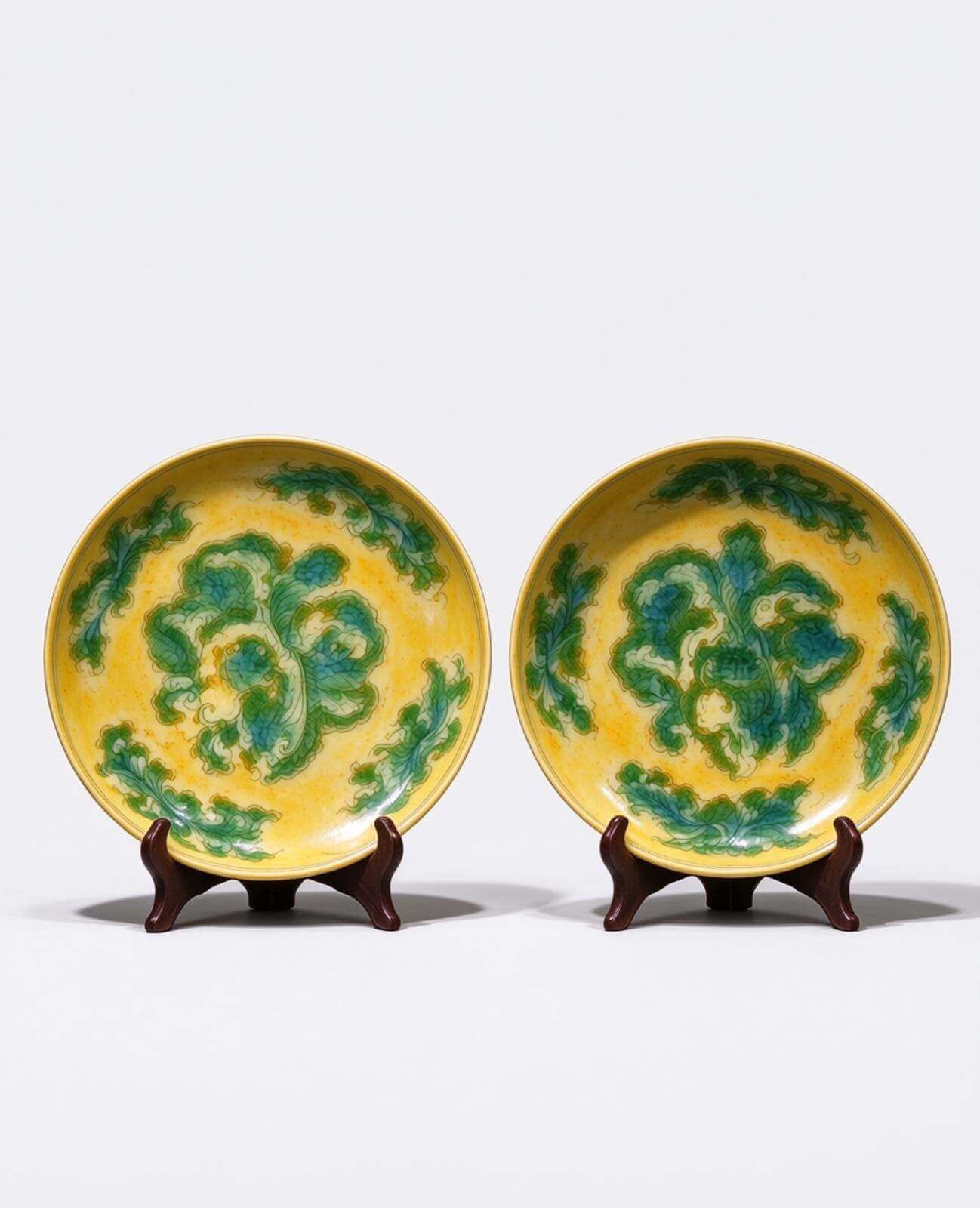
今天我们看一件清三代官窑,会想它来自景德镇。但很少人会想到:它是怎么从景德镇走到北京的?
答案在一条河上。
瓷器不只是一件东西。它是一个故事——从土、火、人到路、船、市场。
一条运河,把南方的瓷器带到北方,把朝廷的订单带回南方。
瓷器史的一半,写在水上。
下次你看到一件老瓷器,可以想象它是怎么来到你面前的。
Jingdezhen is in Jiangxi. Beijing is in the north. The two are about 1,200 kilometres apart, with mountains, plains, and several great rivers in between.
In an age without railways or trucks, how did fragile porcelain travel from Jingdezhen to Beijing?
The answer is a river — no, a whole waterway system.
The "Highway" for Porcelain
China began building the Grand Canal in the Sui-Tang period. It ran from Beijing in the north to Hangzhou in the south — about 1,800 kilometres.
It was the longest man-made waterway in the world, and the most important transport system of imperial China. Grain, salt, silk, porcelain — all bulk goods travelled by this route.
Porcelain leaving Jingdezhen passed through six key nodes.
How Porcelain Was Loaded
Porcelain is fragile and cannot simply be stacked. Packing was its own craft.
The most common method: wrap each piece in straw or wood shavings, pack it into a bamboo basket or wooden crate, and stuff the gaps with straw.
The crates were then stacked layer by layer in the hold, with heavier goods (iron pots, coarse pottery) at the bottom and lighter ones on top.
Even so, breakage rates were high. One Qing archive records that of 1,000 pieces sent from Jingdezhen to Beijing, only 700–800 typically arrived intact.
That 20–30% loss was built into the price long before the porcelain reached its buyer.
Canal Route vs Sea Route
In the Ming and Qing, porcelain exports actually ran on two routes.
One went north via the Grand Canal, for the domestic market and the court. Steady, slow, but with markets, post stations, and security along the way.
The other went south by sea, for export. Leaving from Guangzhou, bound for Europe, the Middle East, and Southeast Asia. Faster, but riskier — pirates or storms could wipe out an entire cargo.
Two routes served two markets. The canal was the internal loop; the sea was the external loop.
This is why porcelain collecting today has two systems — domestic-market ware and export ware — differing in material, decoration, size, and quality standards.
The root cause lies in those two routes.
The Canal Broke, and Porcelain Changed
In 1855, the Yellow River changed course and destroyed the Shandong section of the canal. After that, the Grand Canal silted up; grain shipments became intermittent.
In 1901, the Qing government formally abolished the grain transport system. The Grand Canal's era as a national artery ended.
Meanwhile, sea shipping and railways rose. Porcelain could leave faster and cheaper from Shanghai and Tianjin.
But an era ended with it — the local porcelain markets strung along the canal, selling piece by piece, gradually disappeared.
Today, looking at a piece of Qing imperial ware, we think of Jingdezhen. But we seldom ask: how did it get from Jingdezhen to Beijing?
The answer lies on a river.
Porcelain is not just an object. It is a story — from clay, fire, and hands, to roads, boats, and markets.
One canal carried southern porcelain north, and northern orders south.
Half of porcelain history was written on water.
Next time you see an old piece of porcelain, imagine how it reached you.