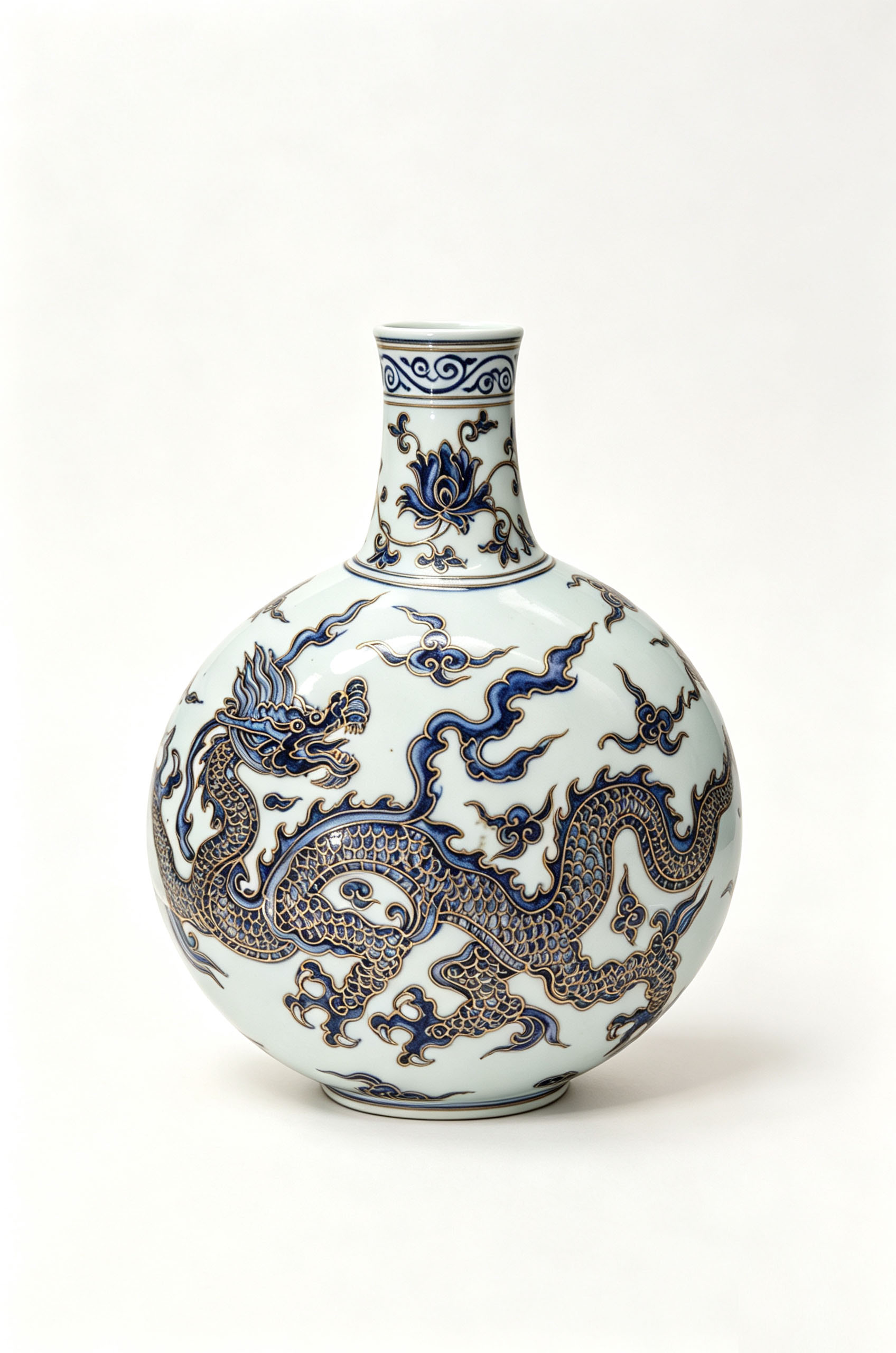
如果你只挑一个时代代表中国瓷器,选哪个?
大多数行家会选康雍乾——康熙、雍正、乾隆三朝,前后一百三十三年。
这不是偏爱,是事实。工艺、品种、产量、创新,清三代都达到了前所未有的高度。而这背后,是三股力量凑到了一起。
第一股力量:钱
瓷器是烧钱的行业。好瓷土、好柴火、好匠人,都要钱。更贵的,是废品率——顶级瓷器,一窑可能烧十件,只有一件能用。
康熙、雍正、乾隆三朝,是清代最富的时候。
国内太平,人口增长,税收稳定。海外白银大量流入,广州一口通商带来的外贸盈余,让朝廷的库房非常充裕。
更重要的是:皇帝自己掏钱烧瓷。
清代的官窑,由皇帝的内务府直接管理,烧瓷的钱不走国家财政,走皇帝的私房钱。这意味着只要皇帝愿意,预算几乎不封顶。
一个愿意不封顶花钱的皇帝,是瓷器巅峰最重要的前提。
第二股力量:人
光有钱不够,还要有人会烧。
清三代出了一个关键人物:唐英。
唐英是内务府派到景德镇的"督陶官",从雍正六年(1728)到景德镇,一直干到乾隆二十一年(1756),前后二十八年。
更特别的是:唐英不是一个坐在衙门里发号施令的官员。他自己学画、学釉、学烧窑,和瓷工一起蹲在窑边。他会写书,会画样,会亲自指导工匠烧造。
清代官窑的许多名品——仿宋汝窑、仿明宣德、珐琅彩、转心瓶、仿生瓷——都是唐英主持烧造的。
一个皇帝信任、自己又懂行的督陶官,是瓷器巅峰的第二个前提。
第三股力量:审美
钱和人都有了,还有第三件事:皇帝本人的审美。
康雍乾三代皇帝,是清代最懂艺术的三个皇帝。
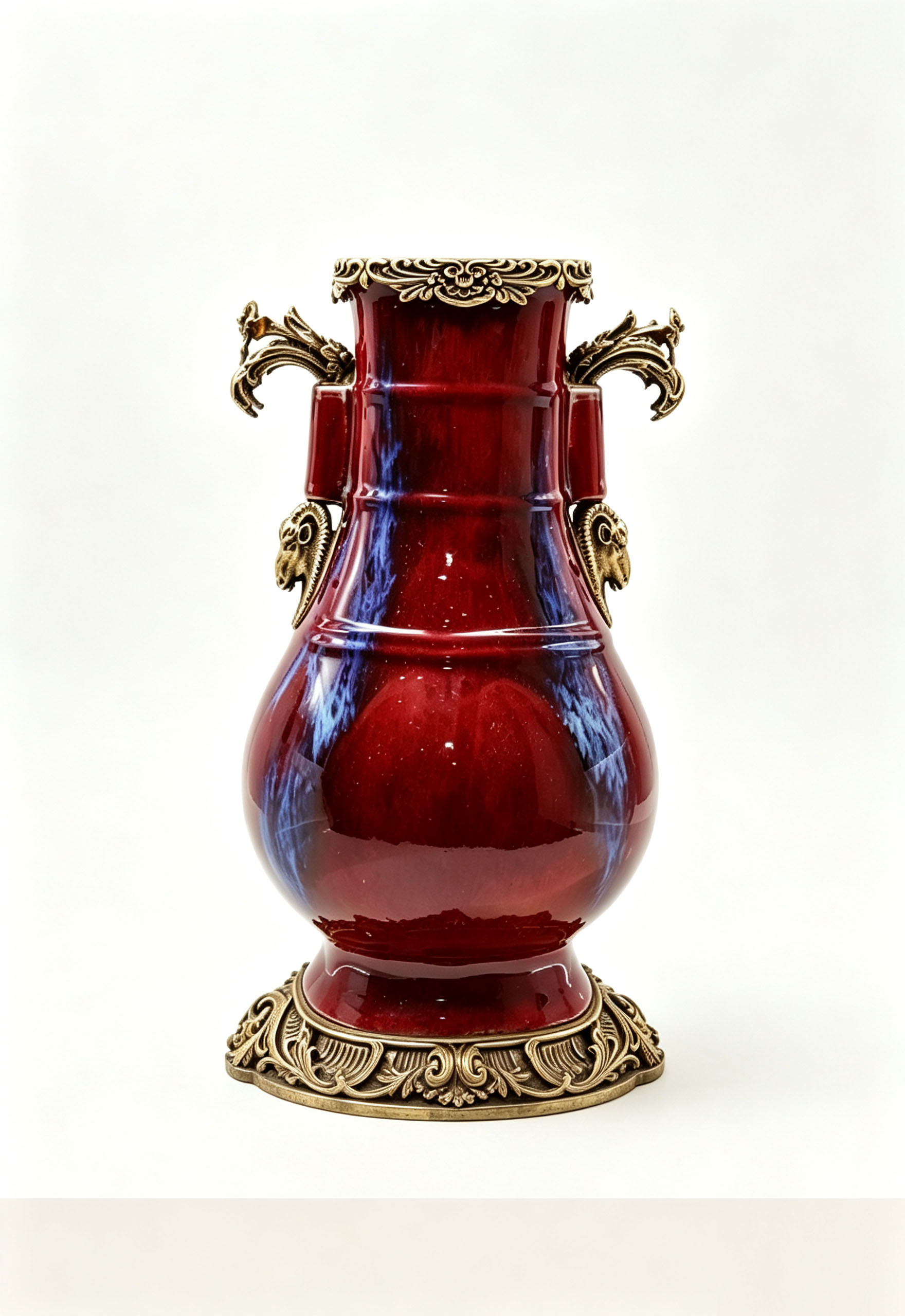
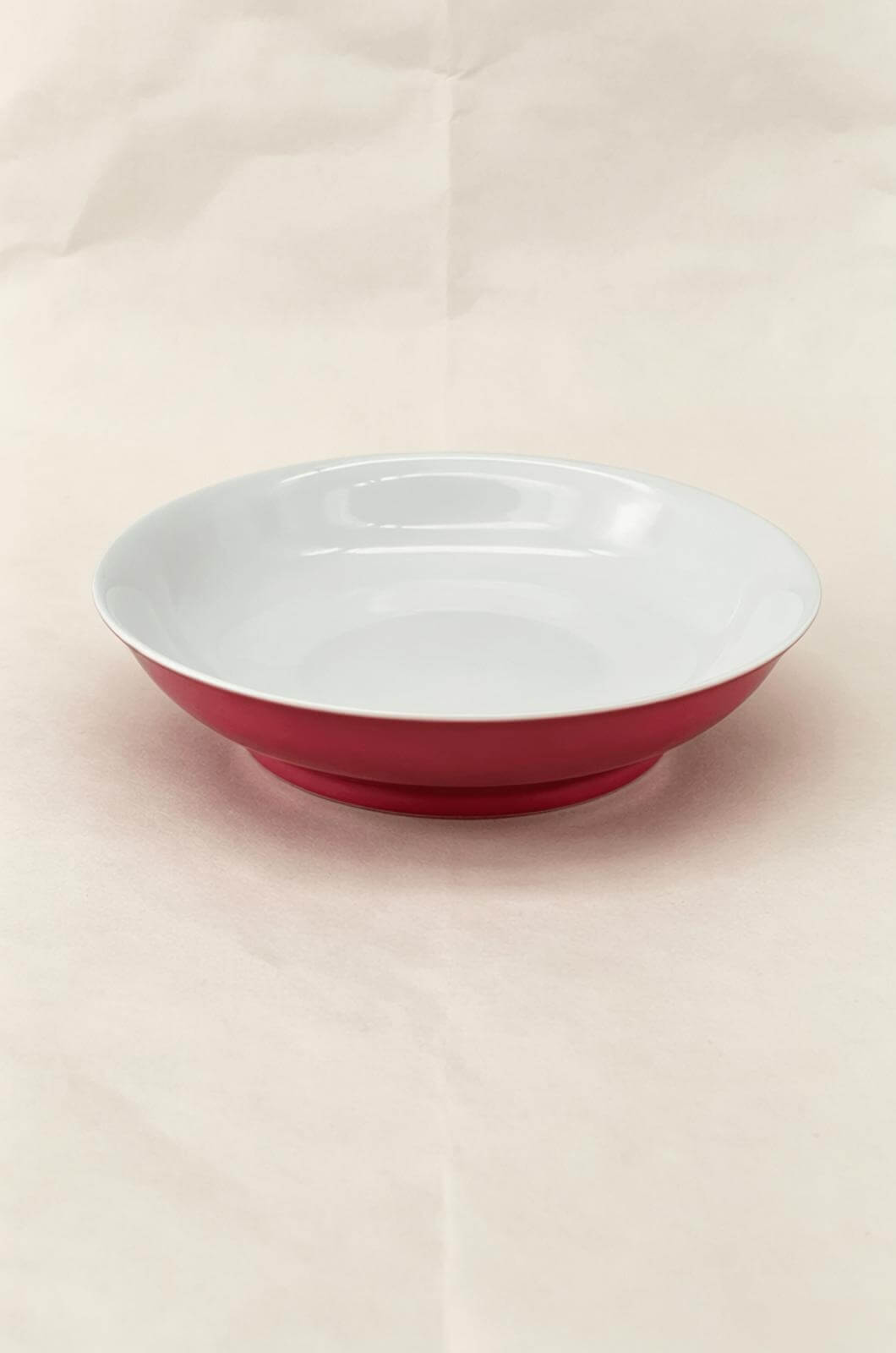
康熙喜欢刚健、明快、有力度的东西。豇豆红、郎窑红这种红釉,就是他喜欢的风格。
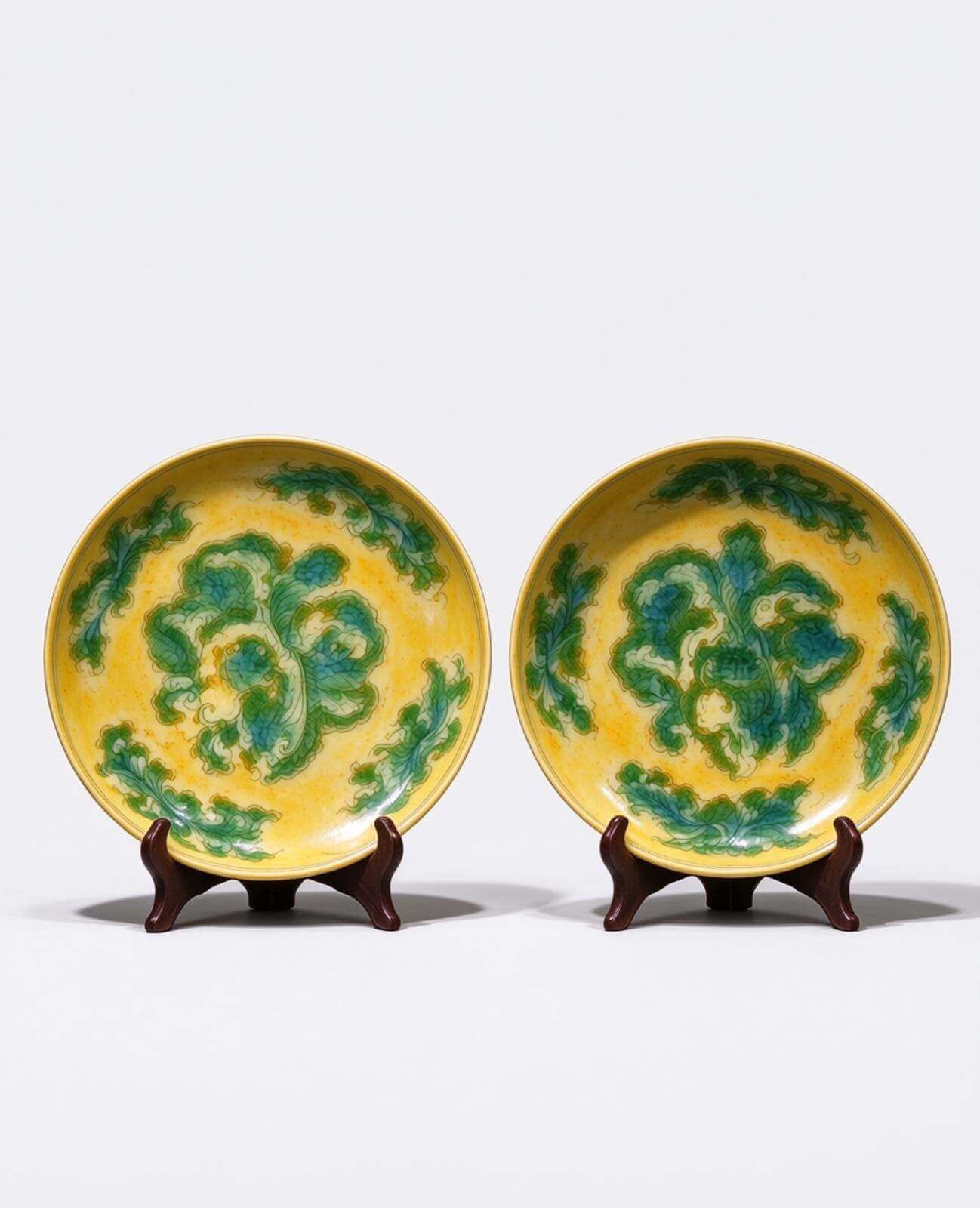
雍正喜欢淡雅、文气、内敛的东西。雍正一朝的粉彩、单色釉,被公认是清代最美的。他不喜欢繁复,喜欢留白。
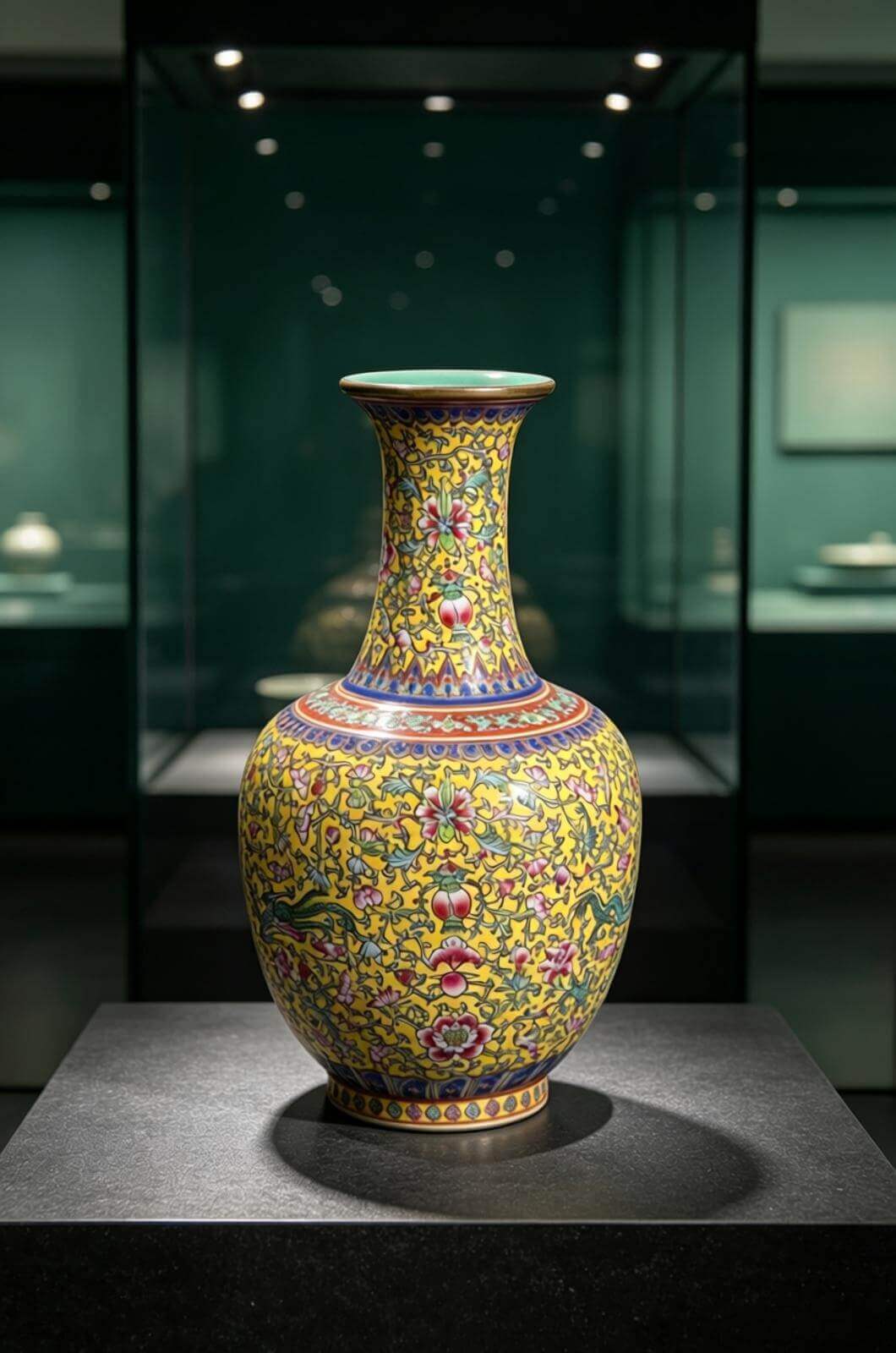
乾隆喜欢华丽、繁复、热闹的东西。转心瓶、仿生瓷、各种工艺叠加的"绝活瓷",都出自乾隆朝。有人批评乾隆"俗",但没人能否认乾隆朝的工艺精度是史上最高的。
三个皇帝,三种审美。加在一起,就是一个完整的清代瓷器时代。
巅峰之后,就是下坡
1795 年,乾隆退位。清三代的时代结束了。
之后的清代官窑——嘉庆、道光、咸丰——一代不如一代。到咸丰五年(1855),太平军攻入景德镇,御窑厂被焚毁。清代官窑体系基本终结。
瓷器是一门高度依赖钱、人和审美的工艺。三者缺一,就会下滑。
今天我们看康雍乾三朝的瓷器,会觉得那是一种"完美"。但这种完美不是天然存在的——它是特定历史时期的产物。
盛世过去了,这种完美也就回不来了。
瓷器史不是一条直线。它起伏,停顿,偶尔冲到顶峰。
康雍乾就是那个顶峰。
站在顶峰往下看,你能看到它有多高,也能看到它有多难。
下次你摸到一件清三代官窑,会感觉到那个时代的分量。
If you had to choose one era to represent Chinese porcelain, which would it be?
Most experts would say the Kangxi, Yongzheng, and Qianlong reigns — a span of 133 years.
This is not preference; it is a matter of fact. Craft, variety, output, innovation — all three reigns reached heights never seen before. And behind that were three forces coming together.
The First Force: Money
Porcelain is a money-burning industry. Good clay, good fuel, good craftsmen — all cost money. What costs more is the failure rate: for the finest wares, out of ten pieces fired, perhaps only one is usable.
The Kangxi, Yongzheng, and Qianlong reigns were the wealthiest period of the Qing.
Domestic peace, population growth, stable tax revenue. Silver flowed in from overseas. The single-port policy at Guangzhou produced a trade surplus that filled the imperial coffers.
More importantly: the emperors paid for porcelain out of their own pocket.
The imperial kilns of the Qing were managed directly by the Imperial Household Department. Money for porcelain did not come from state finances but from the emperor's private purse. That meant that if the emperor was willing, the budget was essentially unlimited.
An emperor willing to spend without limit — that is the most important precondition for a peak in porcelain.
The Second Force: People
Money alone is not enough. You need people who know how to fire.
In the Qing golden age, one figure was decisive: Tang Ying.
Tang Ying was the "supervisor of kilns" sent by the Imperial Household to Jingdezhen. He arrived in 1728, during the sixth year of Yongzheng, and stayed until 1756 — twenty-eight years.
What makes him unusual: Tang Ying was not a bureaucrat issuing orders from an office. He learned to paint, mix glazes, fire kilns. He crouched by the kiln with the potters. He wrote books, drew designs, personally directed the craftsmen.
Many of the signature wares of the Qing imperial kilns — imitations of Song Ru ware, imitations of Ming Xuande, painted enamels, revolving vases, trompe-l'oeil porcelain — were fired under his direction.
An emperor who trusted him, and a supervisor who understood the craft himself — that is the second precondition.
The Third Force: Taste
Money and people are there. The third factor is the emperor's own taste.
All three emperors — Kangxi, Yongzheng, Qianlong — were the most art-literate of the Qing.
Kangxi liked the strong, the clear, the forceful. Cowpea red and Lang kiln red, both red-glazed wares, reflect his taste.
Yongzheng liked the quiet, the refined, the inward. Yongzheng famille rose and monochromes are considered the most beautiful of the Qing. He did not like density; he liked space.
Qianlong liked the lavish, the dense, the brilliant. Revolving vases, trompe-l'oeil porcelain, layered multi-craft pieces — all from his reign. Some critics call Qianlong "vulgar", but no one can deny that Qianlong craftsmanship reached the highest technical precision in history.
Three emperors, three tastes. Together, they make a complete Qing porcelain era.
After the Peak Comes the Slope
In 1795, Qianlong abdicated. The golden age was over.
What followed — Jiaqing, Daoguang, Xianfeng — declined reign by reign. In 1855, Taiping forces entered Jingdezhen and burned the imperial kilns. The imperial system essentially ended.
Porcelain is a craft that depends heavily on money, people, and taste. Remove any one and it declines.
Today, looking at Kangxi-Yongzheng-Qianlong porcelain, we sense a kind of "perfection". But that perfection did not exist by nature — it was the product of a specific historical moment.
The golden age passed, and that perfection did not return.
The history of porcelain is not a straight line. It rises, pauses, occasionally hits a peak.
Kangxi-Yongzheng-Qianlong was that peak.
Stand on it and look down: you can see how high it was, and how hard it was to get there.
Next time you handle a piece of Qing imperial ware, you will feel the weight of that era.