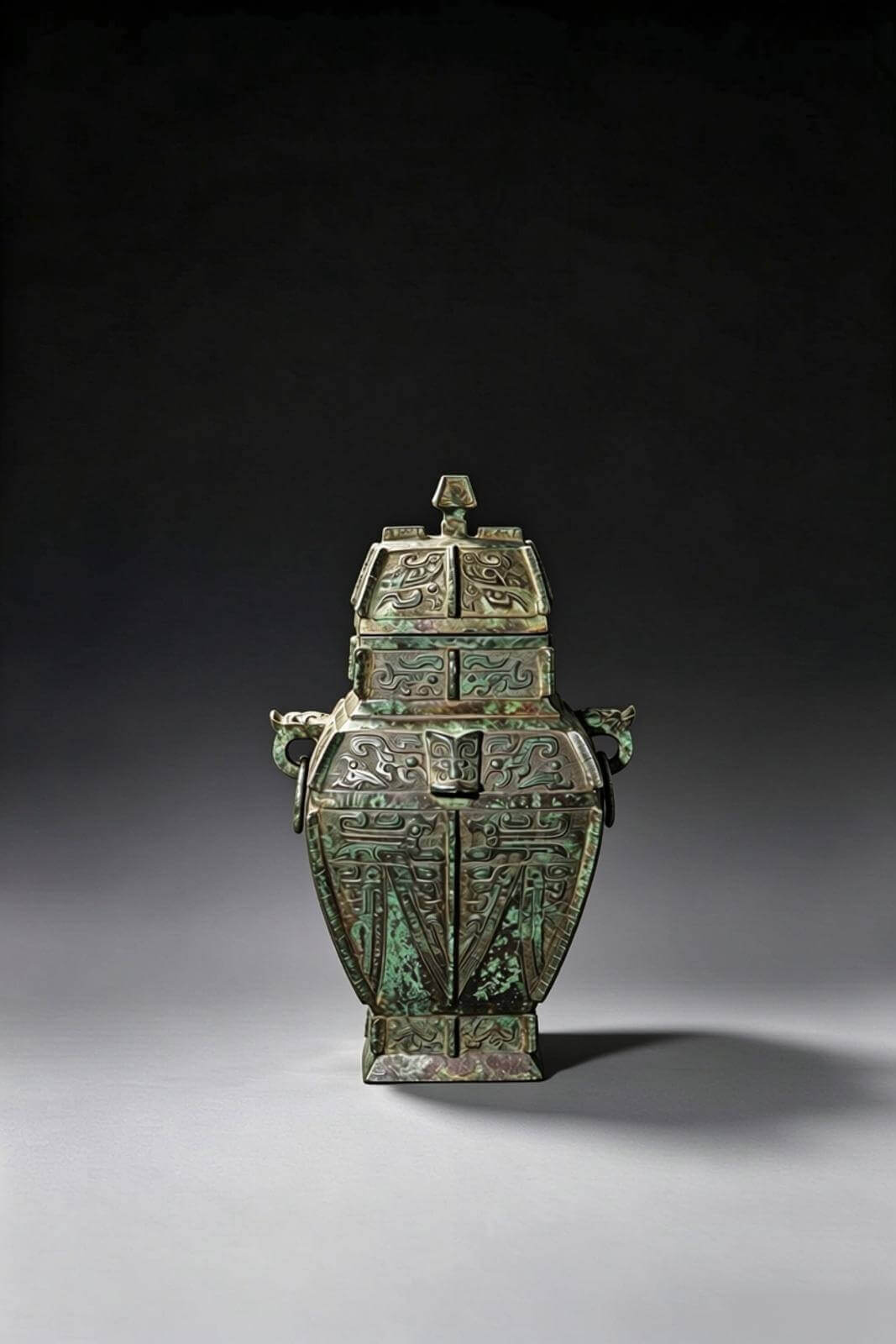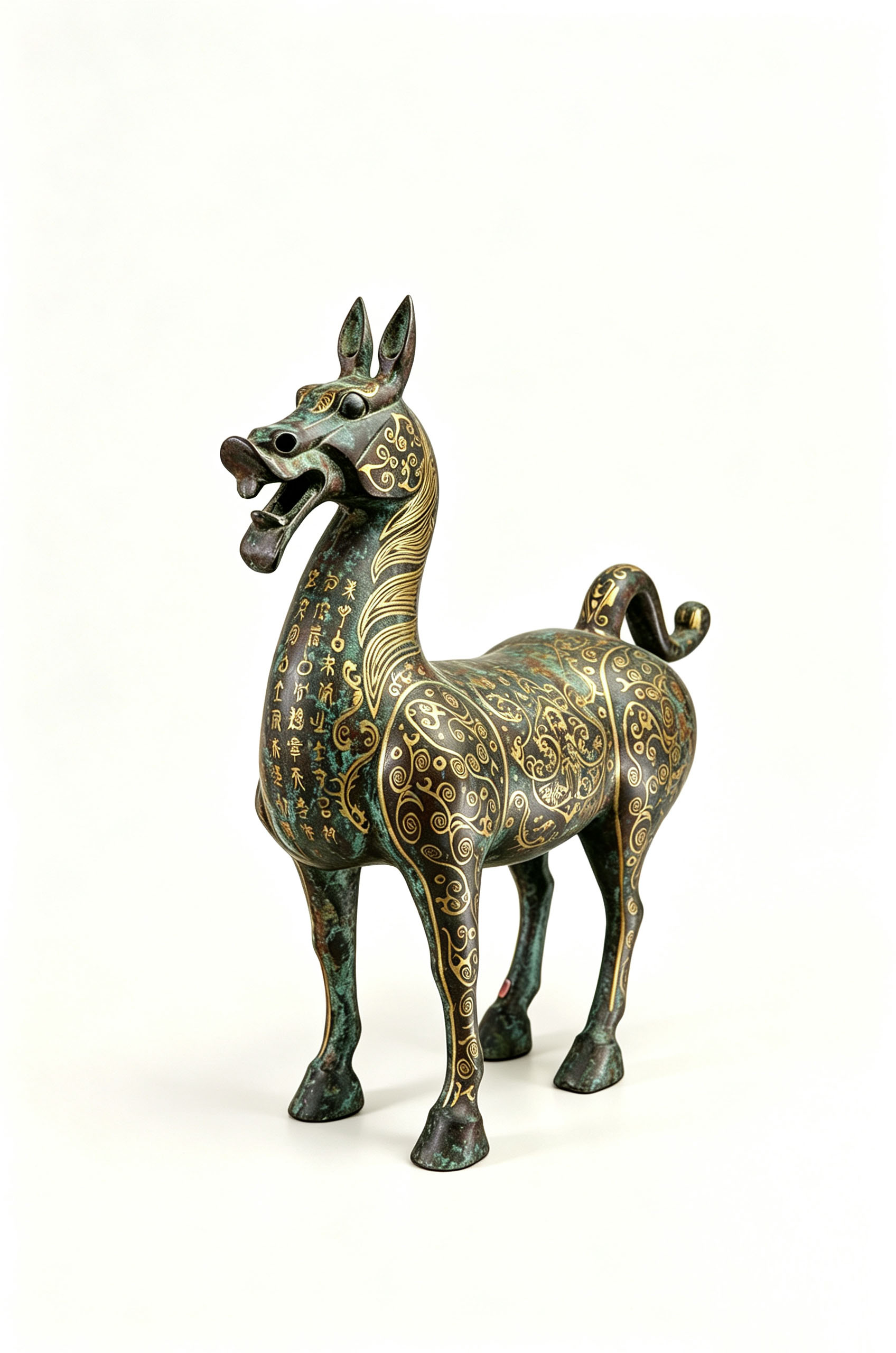
修复做对了,器物保值;修复做错了,器物"越修越不值钱"。这份 10 问清单,是给第一次委托修复的藏家用的。带着它去见修复师,比任何"听别人说"都靠谱。
第 1 问:您的专业背景和培训经历?
文物保护是一门专业学科。问清对方是文物修复专业出身,还是"修着修着就上手"的手艺人。两者在处理高价值器物时,风险差别很大。
第 2 问:能看 2–3 个同类器物的修复案例吗?
看修复前后的对比照,最好能看到实物。特别关注:做色是否自然、补配是否稳定、修复痕迹是否清晰可辨。
第 3 问:您打算用什么材料?可逆吗?
可逆性是现代修复的底线。请对方明确说明:使用什么材料、未来能否安全拆除、拆除是否会损伤原件。
第 4 问:会做旧吗?做旧到什么程度?
做旧是最敏感的一步。合理做旧让补配不突兀;过度做旧则等于人为制造"伪老",影响未来交易与鉴定。
第 5 问:修复会不会影响未来鉴定或再交易?
专业修复应当"可识别、可追溯、可披露"。如果对方回避这个问题,或说"做完看不出来",这本身就是一个警示。
第 6 问:修复记录会提供吗?
正规修复会提供:修复前照片、修复过程记录、材料清单、修复后照片。这些文件在未来交易、保险、传承时都很有用。
第 7 问:报价包含哪些内容?
问清:是否包含检测、清洗、补配、做色、做旧、包装、运输。避免"报价 5000,结算 15000"的情况。
第 8 问:修复期间有保险吗?
高价值器物在修复期间也应投保。问清:运输、存储、修复环节分别由谁投保,保额多少。
第 9 问:周期多久?分几个阶段?
修复周期通常以周、月计。问清阶段划分:清洗、拼对、补配、做色、做旧、检查,各阶段的节点与验收标准。
第 10 问:做完之后,如何养护?
专业修复师应能给出养护建议:环境要求、清洁方式、复查周期、是否需要再次维护。
修复避坑速查
- 拒绝透露材料与可逆性 → 高风险
- 承诺"做完看不出来" → 高风险
- 不提供修复记录 → 高风险
- 不愿提供案例 → 高风险
- 报价含糊、口头承诺 → 高风险
下一步可以做什么?
- 把这份清单存下来,下次咨询时对照使用
- 至少对比 2–3 家修复方案与报价
- 重要器物修复前先咨询第三方专业人士意见
Done right, restoration preserves value. Done wrong, it makes an object worth less. This 10-question checklist is for collectors hiring a conservator for the first time. Bring it to the meeting — it beats "I heard from someone".
Q1: What is your professional background and training?
Conservation is a professional discipline. Ask whether the person is trained in conservation, or a craftsman who "learned by doing". The risk difference on high-value objects is significant.
Q2: Can I see 2–3 case studies of similar objects?
Look at before/after photos, ideally the physical object. Pay attention to: is the tinting natural, is the infill stable, are restoration marks clearly distinguishable?
Q3: What materials will you use? Are they reversible?
Reversibility is the baseline of modern conservation. Ask them to specify: what materials, whether they can be safely removed later, and whether removal will damage the original.
Q4: Will you age the restoration? To what extent?
Ageing is the most sensitive step. Reasonable ageing keeps infill unobtrusive; excessive ageing is effectively creating a fake, affecting future sale and authentication.
Q5: Will the restoration affect future authentication or resale?
Professional restoration should be "identifiable, traceable, disclosable". If the conservator avoids the question, or says "you won't be able to tell", that itself is a warning sign.
Q6: Will you provide a restoration record?
Professional restoration provides: before photos, process record, materials list, after photos. These documents are valuable for future sale, insurance, and inheritance.
Q7: What does the quote include?
Clarify: examination, cleaning, infill, tinting, ageing, packing, transport. Avoid the "quoted 5,000, billed 15,000" scenario.
Q8: Is there insurance during the restoration?
High-value objects should be insured during restoration. Ask: who insures transport, storage, and restoration, and for how much.
Q9: How long does it take? What are the stages?
Restoration timelines are measured in weeks to months. Ask for stage breakdown: cleaning, joining, infill, tinting, ageing, inspection — with milestones and acceptance criteria.
Q10: How should I care for it afterwards?
A professional conservator should give aftercare advice: environment, cleaning method, inspection cycle, whether further maintenance is needed.
Quick red flags
- Refuses to disclose materials or reversibility → high risk
- Promises "you won't be able to tell" → high risk
- No restoration record → high risk
- No case studies → high risk
- Vague quotes, verbal promises → high risk
What to do next
- Save this checklist and use it at your next consultation
- Compare at least 2–3 proposals and quotes
- For important objects, get a third-party opinion before starting