假设同一窑口、同一批烧出来的两件青瓷,一件埋在河南,一件埋在浙江,一百年后挖出来:
一件釉面裂纹满布、土沁入骨;另一件釉面干净、亮得像新的。
不是窑口不同,也不是时代不同。是埋藏环境不同。
这就是"坑口"这个词背后的东西。
南方 vs 北方:两个极端
中国南北方的气候和土壤,几乎是两个极端。
这个差异,直接决定了古董出土后的样子。
对瓷器的影响
瓷器埋在土里,主要发生两件事:釉面开片和沁色。
北方瓷器:因为土壤干燥、温差大,釉面容易产生细密开片。但土壤里的物质活动弱,沁色往往停留在表面,不容易深入胎骨。
南方瓷器:因为长期潮湿,釉面会缓慢发生"剥釉"或"溶蚀"。土壤里的铁、锰等元素长期渗入,形成深入胎骨的土沁。有些南方出土的瓷器,甚至整件被沁成褐色或灰色。
所以同样一件青瓷:北方坑口往往釉面干净、裂纹清晰;南方坑口则常有沁色、剥釉、甚至局部铁锈斑。
对青铜器的影响
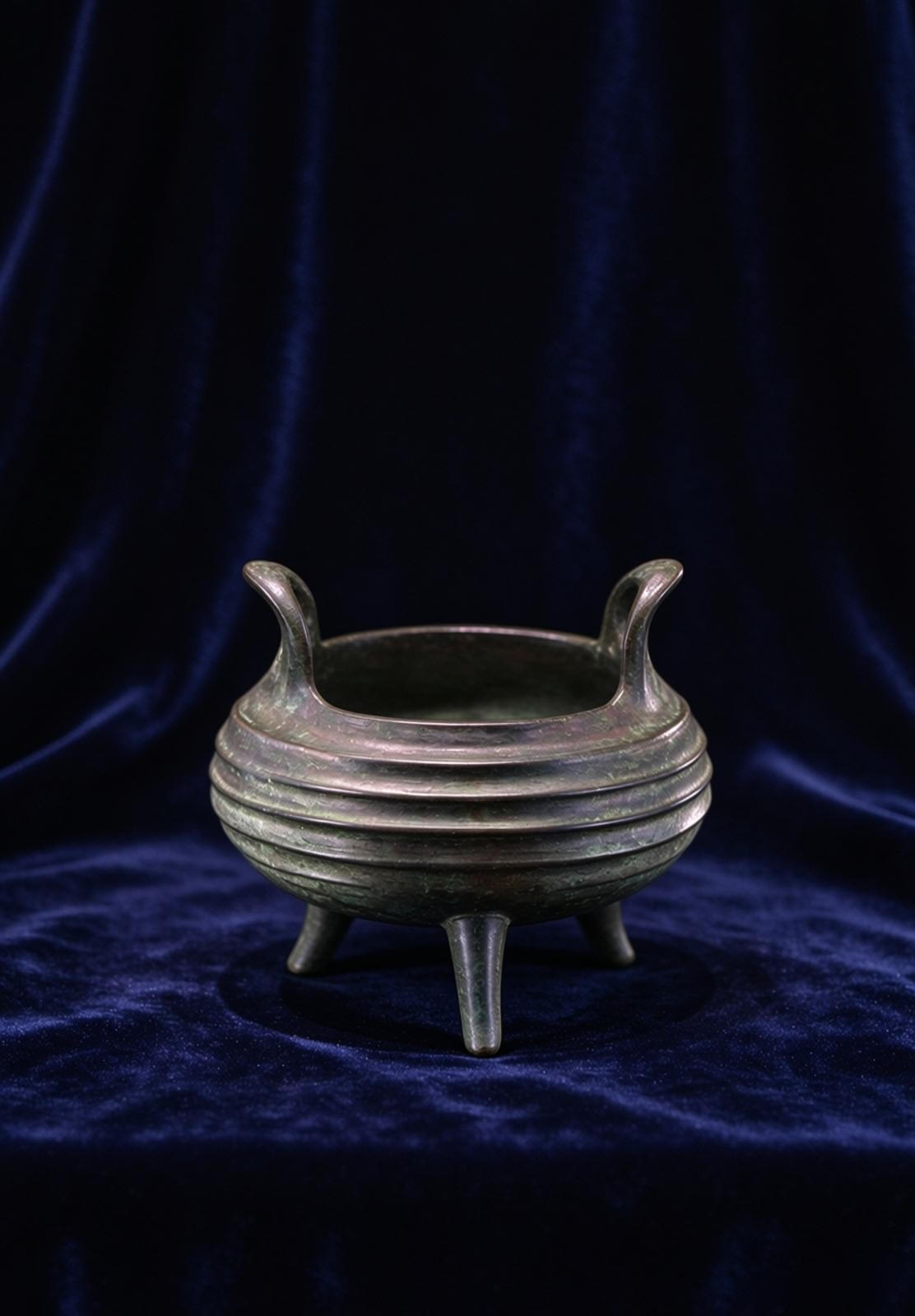
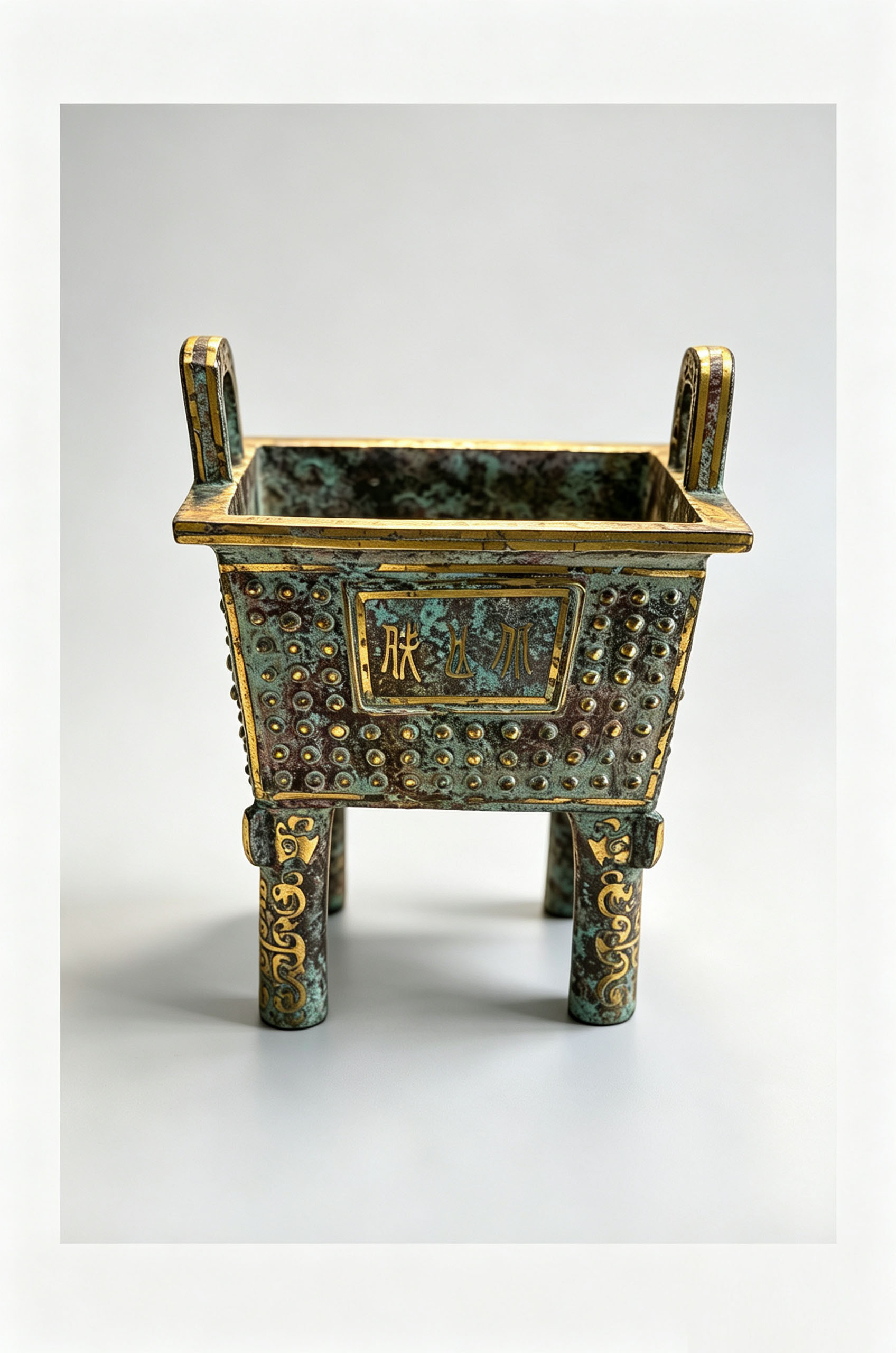
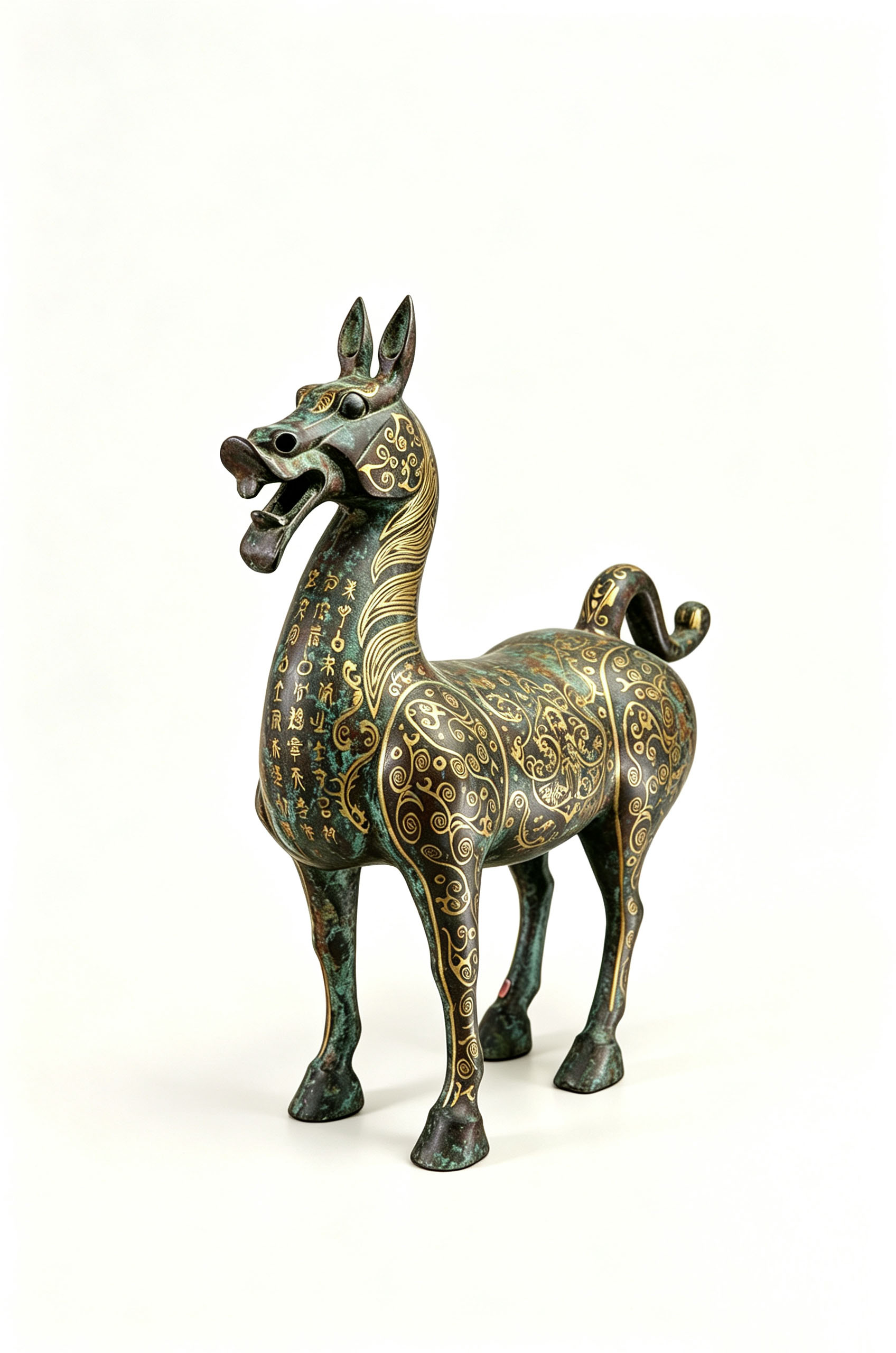
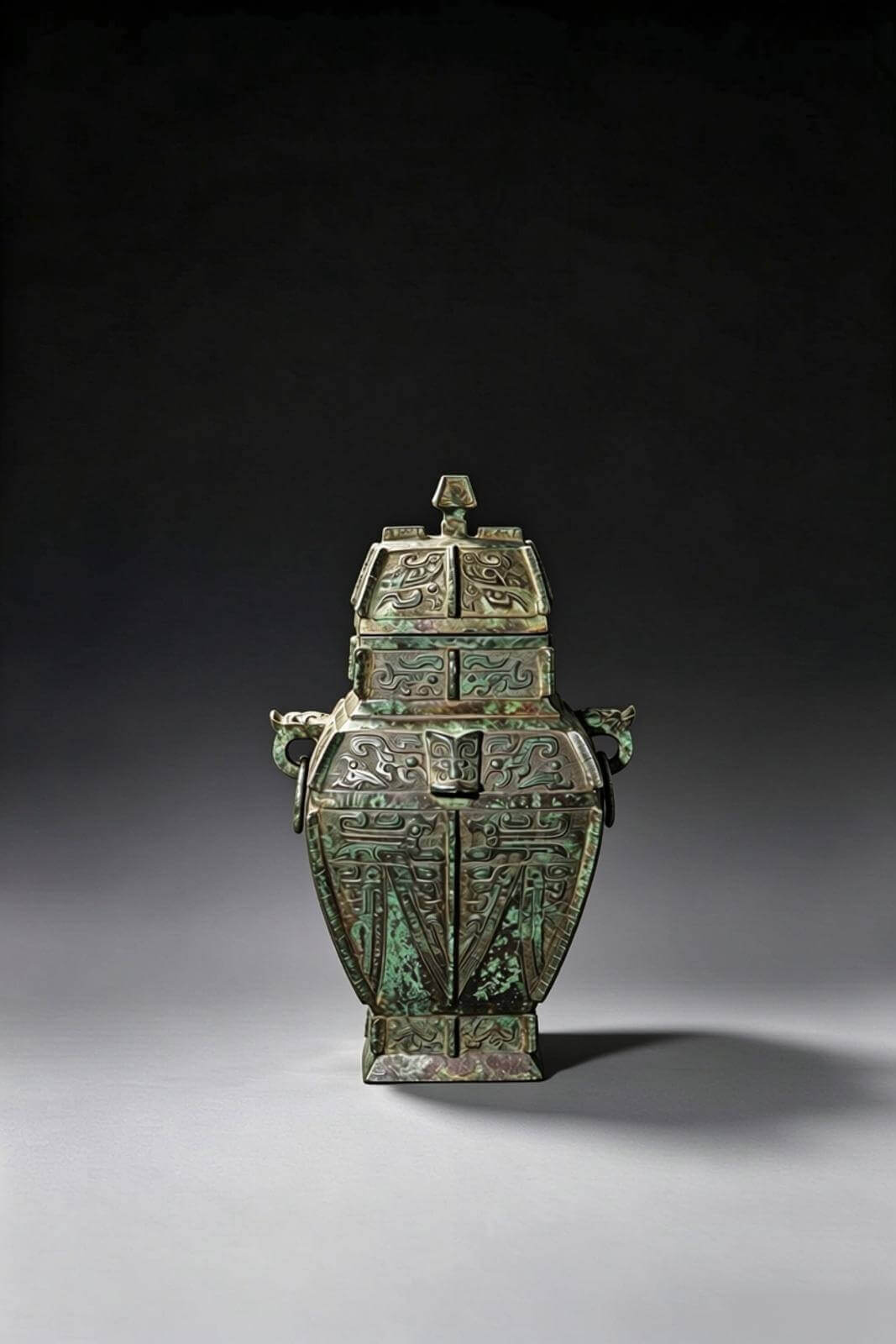
青铜器更敏感。因为铜是金属,遇到不同的土壤化学环境,会生成完全不同的锈。
北方青铜器:土壤干燥、偏碱,锈层常呈灰绿、蓝绿,有时带"黑漆古"——一种致密的黑褐色氧化层。锈层往往薄而稳定。
南方青铜器:土壤潮湿、偏酸,锈层更厚、更鲜艳。常见"红锈""绿锈""水银沁"等。有的南方出土器物锈层厚到几乎看不见原纹饰。
水坑青铜器:长期泡在水里的青铜,会形成一种特殊的"水坑锈"——颜色偏青灰,质地相对均匀,有时还有"水银光"。
三种埋藏环境,三种锈色。看锈色,大致就能判断出土区域。
对玉器和其他杂项
玉器同理。
北方玉器因为干燥,沁色通常浅而集中,常见"铁锈沁""土沁"。南方玉器因为潮湿,沁色更深更广,常出现"水沁""鸡骨白"等现象。
竹木牙角类的器物,则更难保存。南方几乎无法保存竹木器出土;能保存下来的,绝大多数来自北方干燥地区或传世。
所以你在市场上看到一件"老竹雕",本能地要问:它真的在南方埋过吗?如果卖家说是"南方出土",你要知道,这几乎不可能。
坑口不是"真伪",而是"风格"
很多新手把"北方坑"和"南方坑"当成"真好"和"不好"的区别。这是一个误解。
两种坑口,都是真品,只是出土后的样子不同。
北方坑的器物,市场通常更受欢迎,因为它釉面干净、纹饰清晰、更适合观赏。
南方坑的器物,市场往往给价较低,但收藏圈里另有一批人专门收南方坑——因为那种深沉的沁色,是北方坑永远做不出来的。
同样,造假者也研究坑口。他们能模仿北方坑的开片,能模仿南方坑的沁色。这就是为什么看坑口不是终点,看器物本身才是终点。
一件古董出土后的样子,是它"出生"之后一百年、一千年里的经历总和。
窑火给它形状,土壤给它颜色,气候给它气质。
下次你看到一件带土沁的青瓷,别只说它"脏"。那是它在南方某个地方,安安静静躺了一千年的证明。
Imagine two celadon pieces from the same kiln and the same firing. One is buried in Henan, the other in Zhejiang. A century later they are dug up:
One has crackled glaze and soil stains deep in the body. The other has clean glaze, still shining like new.
It is not a different kiln, and not a different period. It is a different burial environment.
This is what the term "pit type" really means.
North vs South: Two Extremes
The climate and soil of northern and southern China are almost opposites.
That difference decides how antiques look when they come out of the ground.
Effect on Porcelain
Buried in soil, porcelain undergoes mainly two things: glaze crackle and staining.
Northern porcelain: dry soil and large temperature swings produce fine crackle. But soil activity is weak, so staining tends to stay near the surface and not sink into the body.
Southern porcelain: long-term humidity slowly causes glaze flaking or dissolution. Iron, manganese, and other elements seep in over centuries, forming deep stains. Some southern finds are stained entirely brown or grey.
So the same celadon piece: a northern pit often yields clean glaze with clear crackle; a southern pit often shows staining, flaking, and even local rust spots.
Effect on Bronzes
Bronze is even more sensitive. Copper reacts with different soil chemistries to produce entirely different patinas.
Northern bronzes: dry, alkaline soil produces grey-green, blue-green patina, sometimes with "black lacquer" — a dense dark brown oxide layer. The patina tends to be thin and stable.
Southern bronzes: humid, acidic soil produces thicker, brighter patina. Red rust, green rust, mercury stain are common. Some southern pieces are so encrusted that the original decoration is barely visible.
Water-pit bronzes: long immersion produces a special "water-pit patina" — grey-blue, relatively even, sometimes with a silvery sheen.
Three environments, three patinas. Read the patina and you can roughly place the burial region.
Effect on Jade and Other Materials
Jade works the same way.
Northern jade, buried dry, usually shows shallow, localised staining — iron stain and soil stain being common. Southern jade, buried wet, shows deeper, broader staining — water stain, chicken-bone white, and similar effects.
Bamboo, wood, and ivory are harder still. Bamboo and wood essentially cannot survive burial in the south. What survives comes mostly from dry northern regions or from handed-down pieces.
So when you see an "old bamboo carving" on the market, ask: was it really buried in the south? If the seller says "southern excavated", you should know that is almost impossible.
Pit Type Is Style, Not Authenticity
Many newcomers treat "northern pit" and "southern pit" as "good" and "bad". That is a misunderstanding.
Both types are genuine — they simply came out of the ground looking different.
Northern finds are usually more popular on the market: clean glaze, clear decoration, better for display.
Southern finds often fetch less, but a dedicated circle of collectors actively seeks them out — because those deep stains cannot be produced in the north.
Fakers study pit types too. They can imitate northern crackle and southern staining. Which is why reading the pit is not the goal — reading the piece is.
How an antique looks when it comes out of the ground is the sum of a century or a millennium of experience after its birth.
The kiln gave it shape; the soil gave it colour; the climate gave it character.
Next time you see a stained celadon piece, don't just call it "dirty". That is evidence of a thousand quiet years somewhere in the south.