新加坡只有七百多平方公里,建国不到六十年。
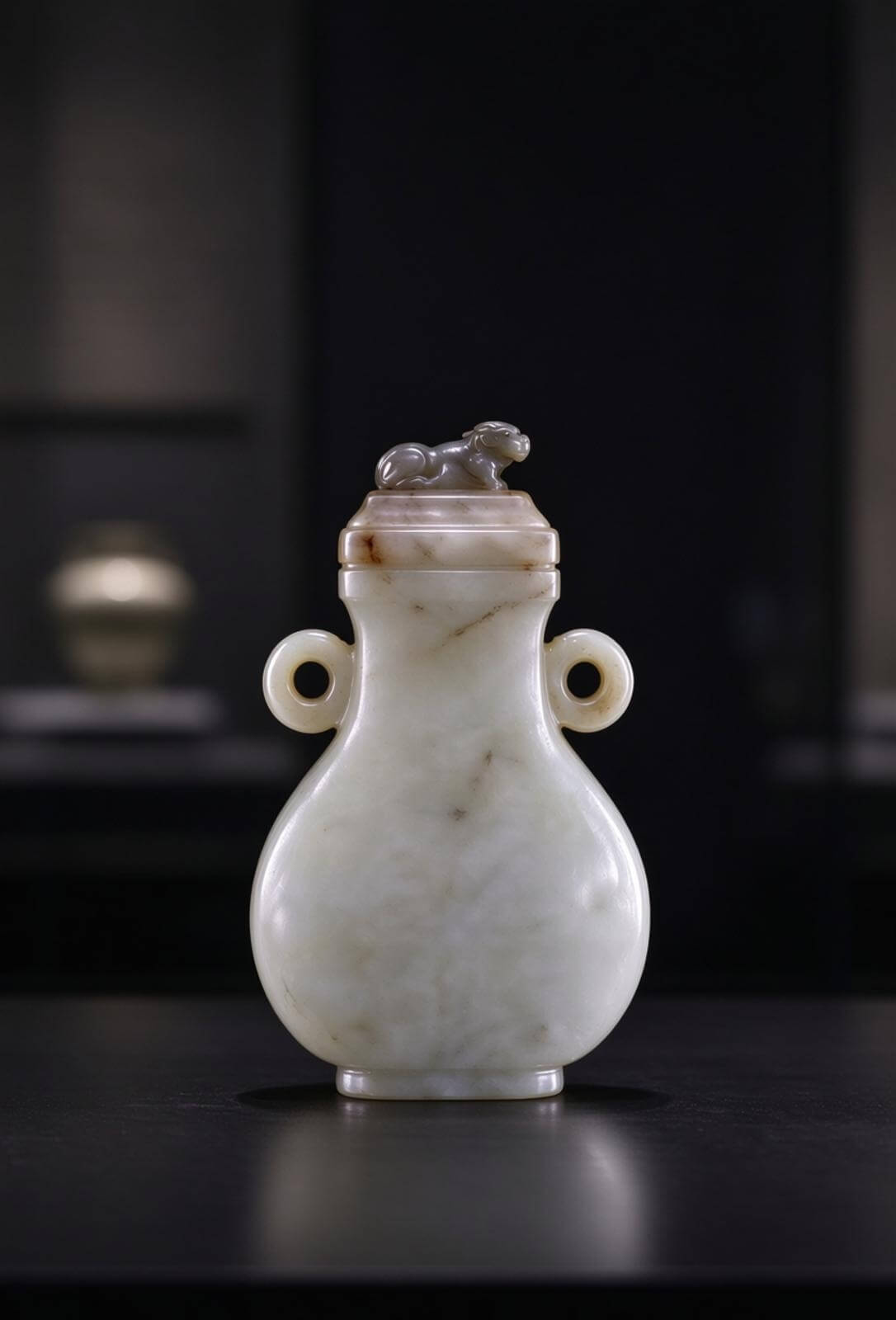
但这里的旧货铺、拍卖行、私人收藏里,中国古董的密度,不输任何一个中国城市。
为什么?
答案不在新加坡,在一百多年前的中国南方。
第一批"下南洋"的人
1819 年,莱佛士来到新加坡,建立自由港。此后一百多年,大量中国南方人涌向这里。
他们来自福建、广东、潮州、海南、客家。在故乡活不下去了,只能漂洋过海来南洋,希望挣一笔钱再回去。
他们带的行李里,有两样东西很重要:一件祖宗牌位,一两件家传的器物。
牌位是为了在异乡也有祖先可拜。家传器物,可能是母亲的一只镯子、父亲的一枚印章、或一个没舍得卖掉的小瓷瓶。
这些私人随身物品,是新加坡最早的一批中国古董。
侨批:钱和物一起过海
华侨在南洋挣了钱,要寄回老家。这种汇款和家书的结合体,叫侨批。
侨批里,不只有钱。有时还夹着东西:
来回之间,两地的东西就开始交换。中国瓷器由此大量进入南洋家庭,而南洋的一些物品也带回了中国。
侨批网络,本质上是一条民间的贸易通道。它比官方商路更灵活、更持续、更深入民间。
宗乡会馆:身份的容器
早期华侨到南洋,最需要的是同乡互助。于是各地华侨建起宗乡会馆——福建会馆、潮州八邑会馆、客属总会、海南会馆。
会馆不只是给人住、给人找工作的。它还兼着几件事:
一是祭祖。会馆里通常设有神龛、祖先牌位、祭祀用器——香炉、烛台、供碗、铜瓶。这些器物都是从中国订制的。
二是办学。会馆办学校,学校有校训、匾额、对联、碑记。这些也是中国工匠做的。
三是演戏。会馆支持戏班,戏班有戏服、乐器、道具。这些同样是跨海进口的。
所以你去一座老会馆,从大门到神龛,几乎处处是中国古董。这就是为什么新加坡老会馆里的器物,比很多私人收藏都完整。
1965 年之后的回流
1965 年新加坡独立。此后几十年,新加坡逐渐富裕起来。
富起来的人开始反过来收购中国古董。
这一次不再是"随身带"——而是通过香港、台湾、甚至欧美的拍卖行购买。
晚清民国时期外流到欧美的顶级瓷器、书画、佛像,有一批通过新加坡的拍卖和私人交易,来到了这个城市。
所以今天新加坡的中国古董,至少有三个来源:
一、早期华侨的私人随身物。数量不多,但每一件都带着故事。
二、会馆、庙宇、宗族的公器。成套、完整、来源清楚。
三、近三十年的全球回购。高端、精品、经过多次转手。
三层叠加,才有了今天新加坡中国古董市场的密度。
古董的流动,从来不只是商品流动。
它是一次又一次人的迁徙——是十九世纪的穷苦移民,是二十世纪的会馆匠人,也是二十一世纪的高净值藏家。
新加坡的中国古董,是这段移民史最安静的见证。
下次你在牛车水一家老铺里,看到一只清代的碗,它可能已经在南洋待了一百五十年。
Singapore is only about 700 square kilometres, and less than sixty years old as a nation.
Yet in its junk shops, auction houses, and private collections, the density of Chinese antiques rivals almost any city in China.
Why?
The answer is not in Singapore. It is in southern China, more than a century ago.
The First "Nanyang" Migrants
In 1819, Raffles arrived in Singapore and established a free port. For the next century, a flood of southern Chinese came here.
They came from Fujian, Guangdong, Chaozhou, Hainan, and Hakka regions. Life at home was impossible; they crossed the sea to Nanyang, hoping to earn money and return.
In their luggage were two things that mattered greatly: an ancestral tablet, and one or two family heirlooms.
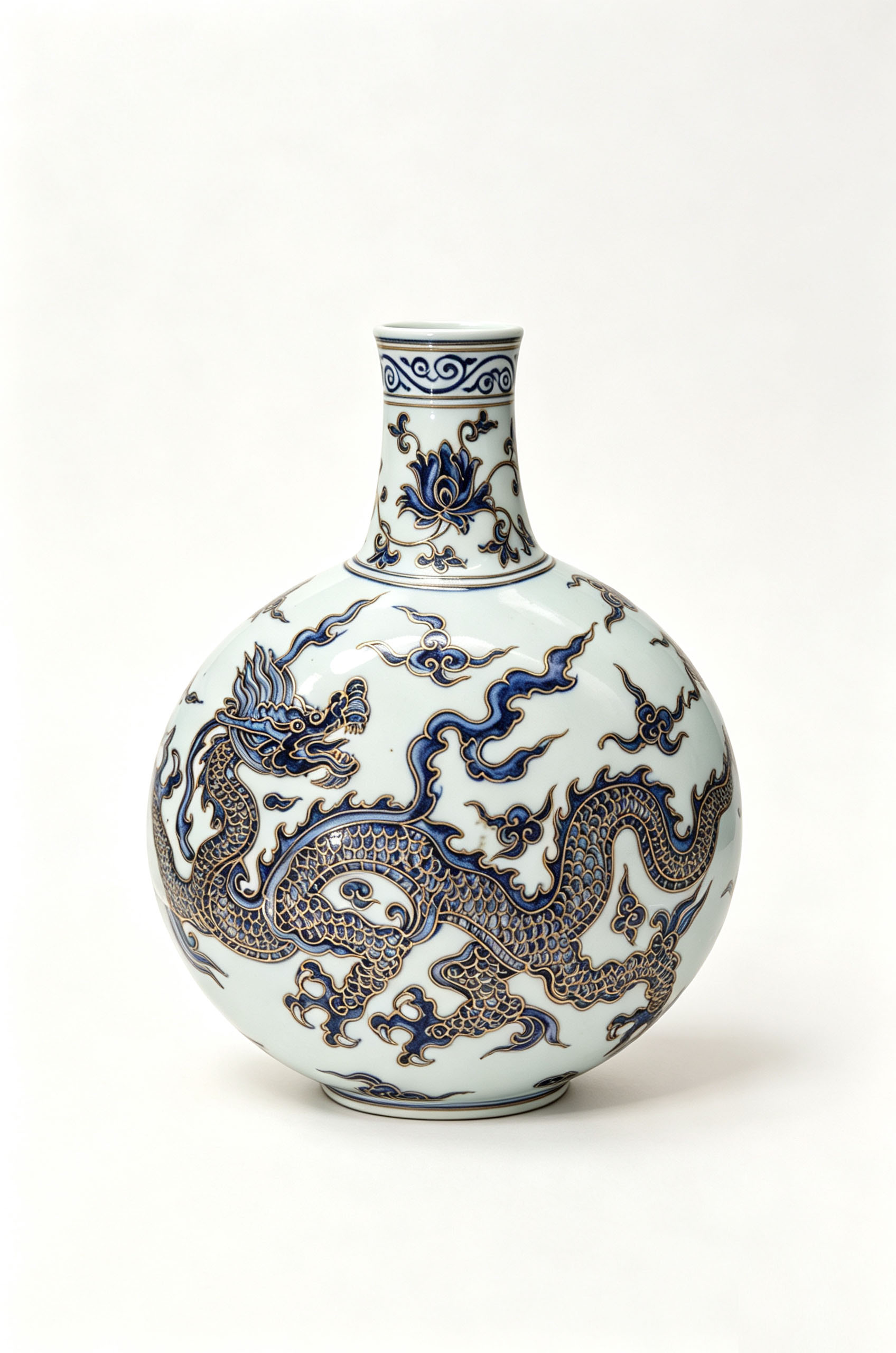
The tablet was so they would have ancestors to worship in a foreign land. The heirloom might be a mother's bracelet, a father's seal, or a small porcelain vase they could not bear to sell.
These personal items were Singapore's earliest Chinese antiques.
Qiaopi: Money and Goods Across the Sea
When overseas Chinese earned money in Nanyang, they sent it home. These combined remittances and family letters were called qiaopi.
Qiaopi carried more than money. Sometimes goods travelled with them:
Back and forth, goods began to circulate. Chinese porcelain entered Nanyang households in large numbers; some Nanyang items returned to China.
The qiaopi network was, at heart, a private trade route. It was more flexible, more continuous, and deeper into ordinary lives than any official channel.
Clan Associations: Containers of Identity
Early migrants needed mutual aid from people of the same origin. So they built clan associations — the Hokkien Huay Kuan, the Teochew Poit Ip Huay Kuan, the Hakka Association, the Hainan Association.
These were not just lodgings or job agencies. They also served several other functions:
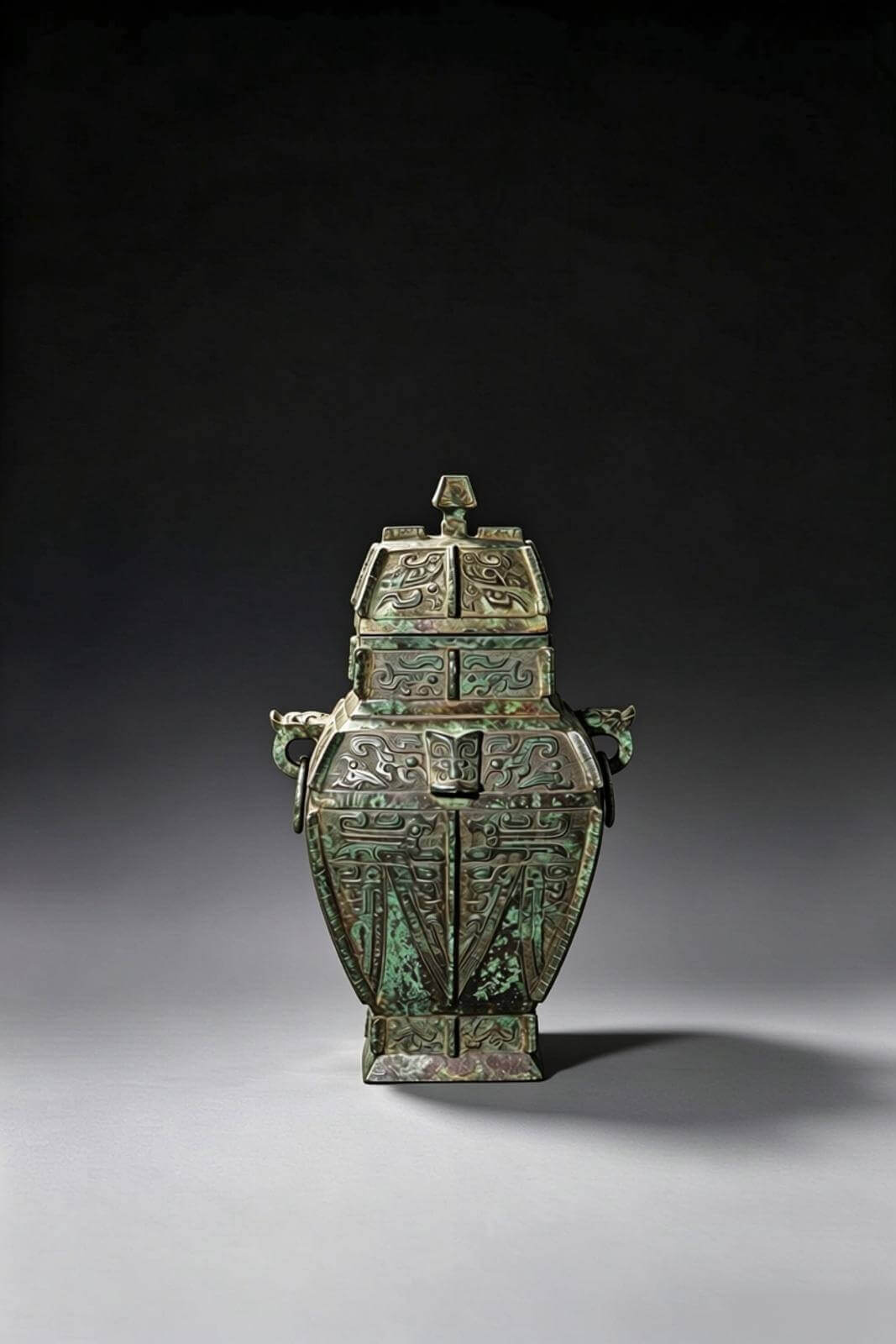
First, ancestor worship. They usually had shrines, ancestral tablets, and ritual vessels — censers, candlesticks, offering bowls, bronze vases. All ordered from China.
Second, schooling. They ran schools, and schools had mottos, plaques, couplets, and stone inscriptions — again, made by Chinese craftsmen.
Third, opera. They supported opera troupes, which had costumes, instruments, and props — all imported across the sea.
Walk into an old clan association today and, from the entrance to the shrine, almost everything is Chinese antique. This is why clan associations often hold more complete collections than private individuals.
The Buy-Back After 1965
Singapore became independent in 1965. Over the following decades, it grew rich.
The newly wealthy began buying Chinese antiques back.
This time it was no longer "carried in a suitcase" — it was purchased through auction houses in Hong Kong, Taiwan, and even Europe and America.
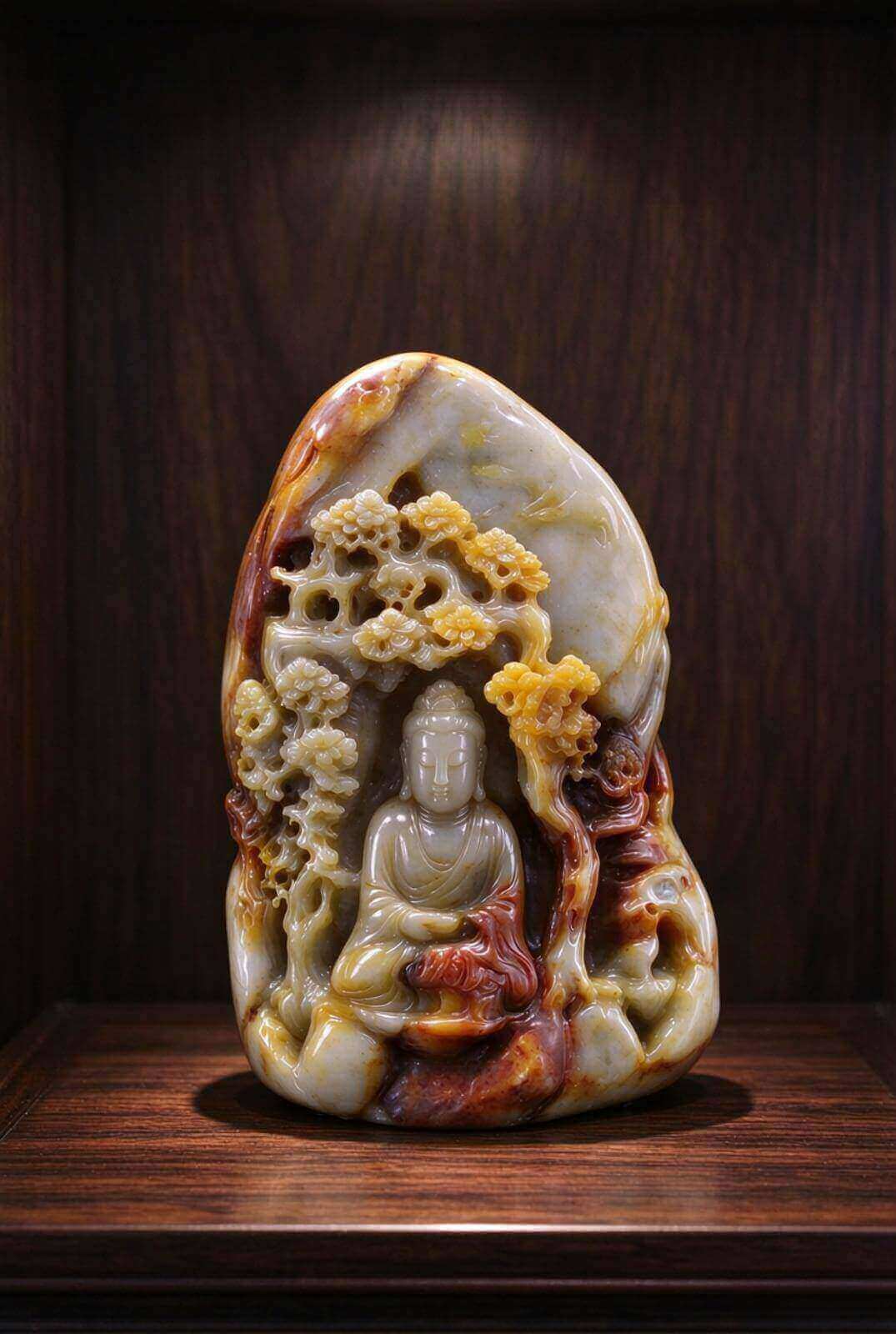
Top-tier porcelain, paintings, and Buddhist sculpture that had flowed abroad in the late Qing and Republic periods began arriving in Singapore through auctions and private deals.
So Chinese antiques in Singapore today come from at least three sources:
First, personal belongings of early migrants. Small in number, but every piece has a story.
Second, communal objects of clans, temples, and associations. Complete sets, intact, clear provenance.
Third, global buy-back of the past thirty years. High-end, fine, well-travelled pieces.
Three layers together produced the density of Singapore's Chinese antique market today.
The movement of antiques is never just the movement of goods.
It is one migration after another — the poor migrants of the nineteenth century, the association craftsmen of the twentieth, and the high-net-worth collectors of the twenty-first.
Chinese antiques in Singapore are the quietest witnesses to that migration history.
Next time you see a Qing bowl in an old shop in Chinatown, remember — it may have been in Nanyang for a hundred and fifty years.