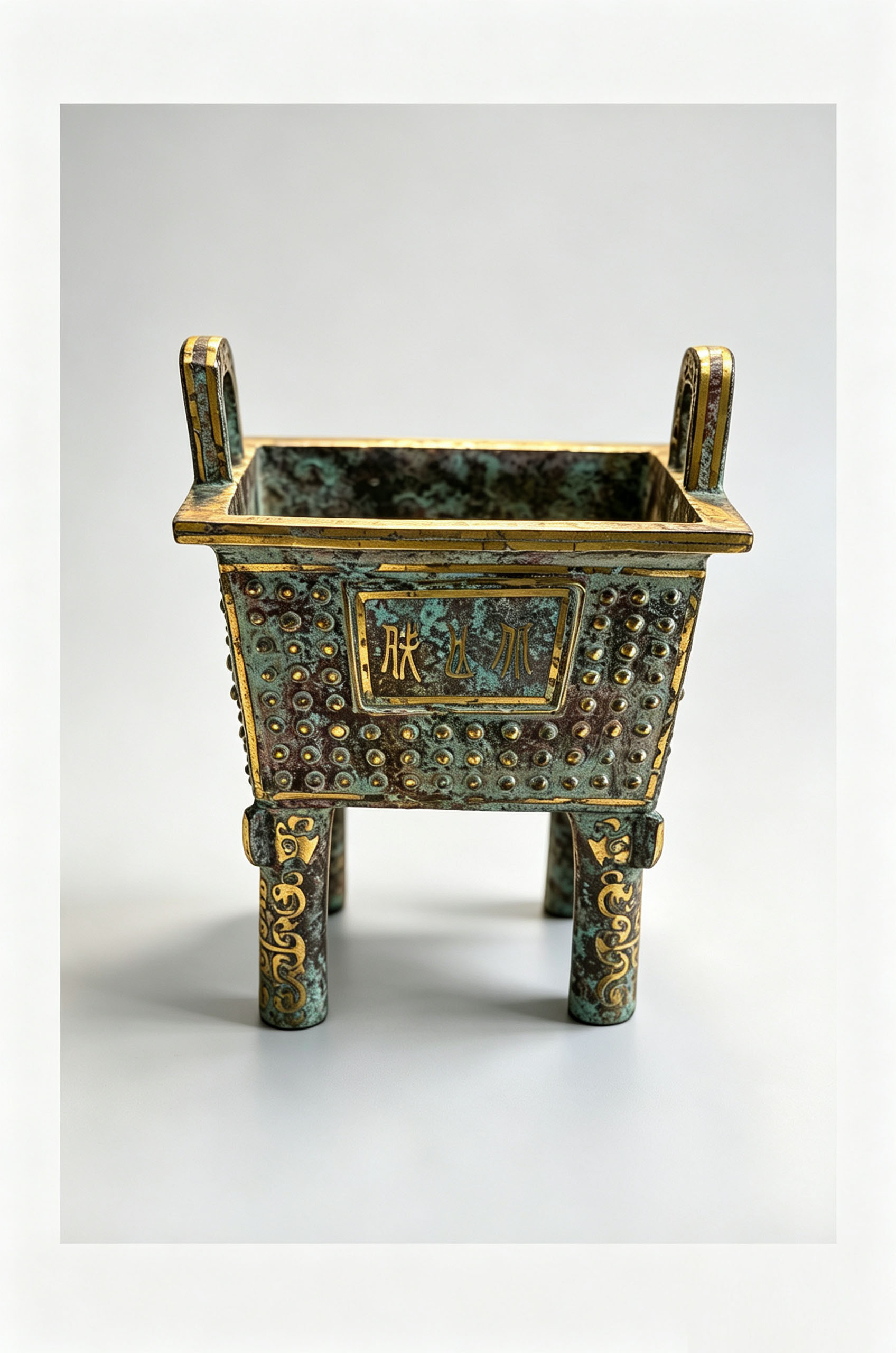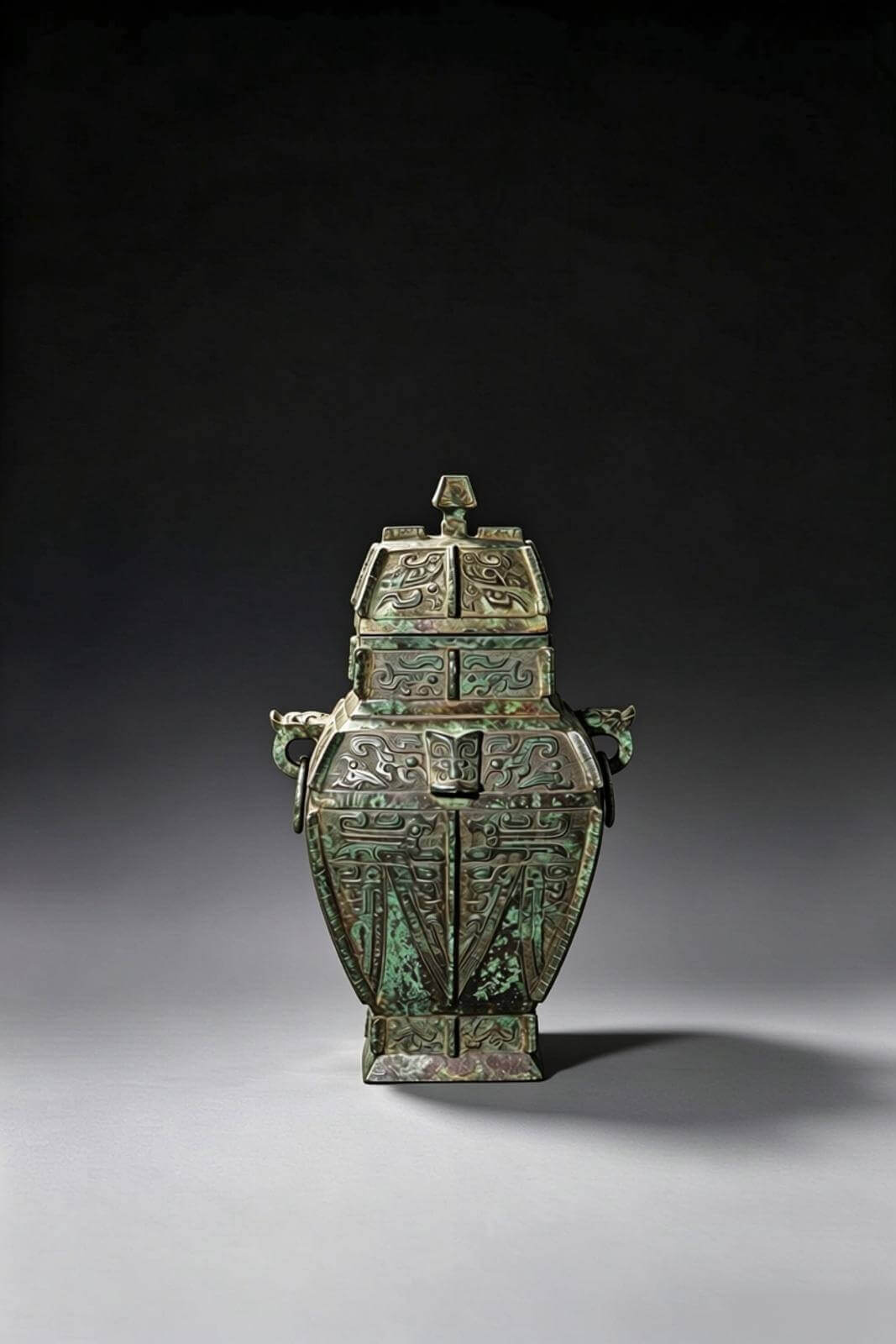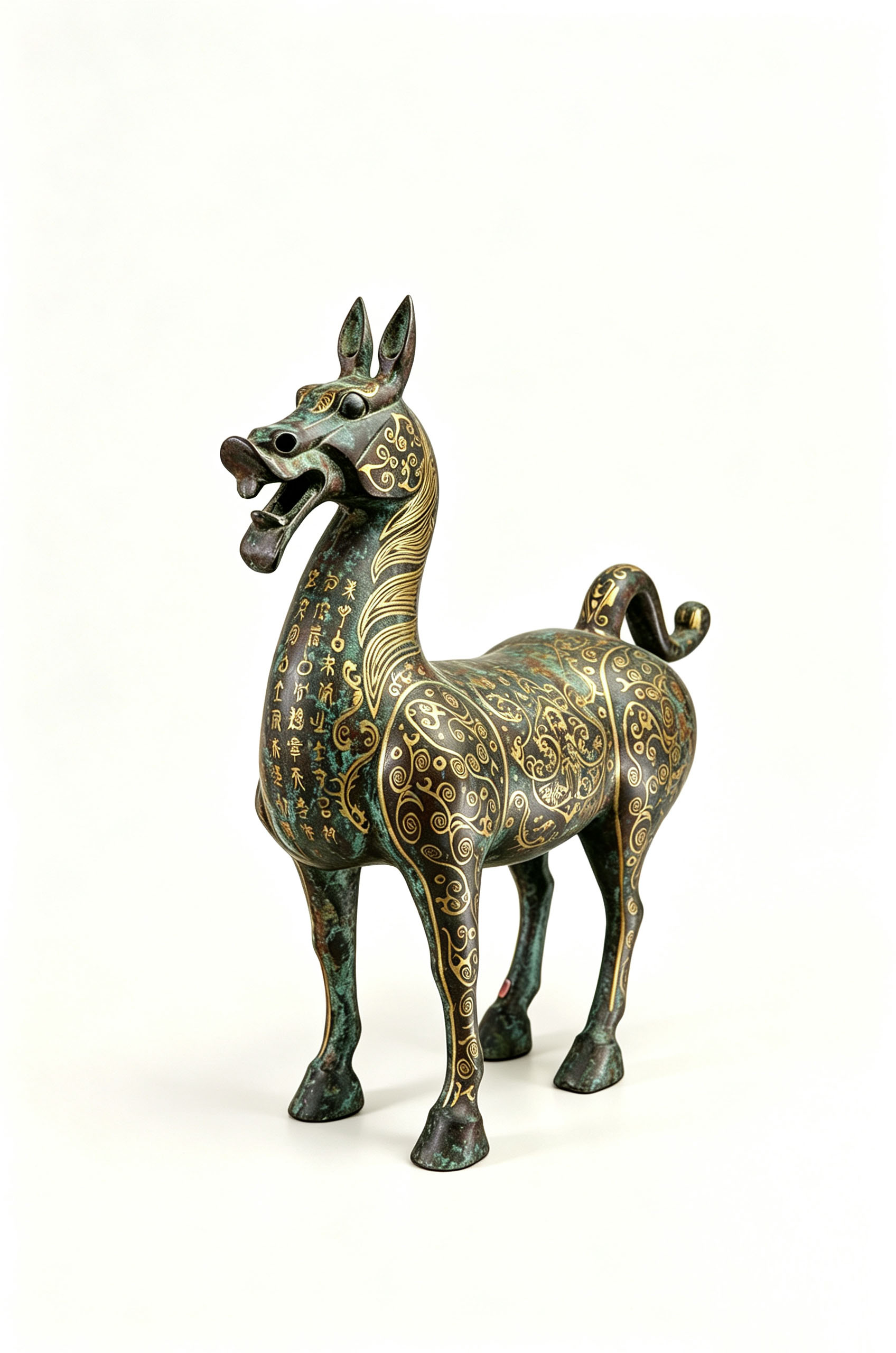
网上关于"清洁古董"的偏方特别多:用醋泡、用牙膏擦、用钢丝球蹭、送进超声波清洗机……这些方法对普通餐具可能有效,但对古董几乎是灾难。这篇把铜器、银器、玉器最常见的 5 种清洁偏方一次讲清。
偏方一:醋 / 柠檬汁泡铜器、银器
酸性物质会溶解铜器表面的自然氧化层、腐蚀银器表面,短期看起来"干净",长期会:
- 破坏铜器的自然皮壳,露出刺眼的新铜色
- 腐蚀银器表面,形成麻点、失光
- 渗入器物缝隙,留下酸性残留
偏方二:牙膏擦银器、擦铜器
牙膏含研磨剂,会像砂纸一样磨掉器物表面。对于有雕工、有纹饰的器物,磨掉的恰恰是最重要的细节。
- 磨掉银器表面的天然氧化层
- 磨平雕工、纹饰的细节
- 磨掉铜器的皮壳与包浆
偏方三:钢丝球 / 砂纸去锈
这是最"暴力"的一种。钢丝球会在器物表面留下永久划痕,砂纸更会让器物"瘦一圈",几乎不可逆。
- 留下肉眼可见的划痕
- 破坏器物表面的原始皮壳
- 严重影响未来的收藏价值与再交易
偏方四:超声波清洗机
超声波对普通首饰有效,但对古董风险很大。尤其是老银器、老铜器、有修补或镶嵌的器物,超声波可能导致:
- 松动镶嵌、脱落小件
- 加剧已有裂纹
- 剥离原有修复材料
偏方五:强酸、强碱"快速去污"
强酸强碱会与金属、玉器表面发生剧烈反应,造成不可逆腐蚀。对玉器,会破坏表面抛光,留下难看的"麻面"。
- 腐蚀金属器物表面
- 破坏玉器表面的原始抛光
- 残留在器物缝隙里,持续腐蚀
那正确的做法是什么?
- 铜器:软毛刷除尘即可;锈色属于器物历史的一部分,不要主动去掉
- 银器:天然黑包浆是价值的一部分;确实需要处理时,交由专业修复人员
- 玉器:干软布除尘,不上油、不上蜡、不泡水
- 有疑问时:先不动、先拍照、先咨询
常见误区速查
- 醋泡 = 腐蚀皮壳、留酸性残留
- 牙膏擦 = 研磨掉细节与包浆
- 钢丝球 = 永久划痕
- 超声波 = 松动镶嵌、加剧裂纹
- 强酸碱 = 不可逆腐蚀
下一步可以做什么?
- 把家里的醋、牙膏、钢丝球从藏品旁移开
- 为每件器物拍"现状照",记录原始包浆状态
- 需要处理时,先咨询专业人士,再决定
Online "how to clean antiques" tips are everywhere: soak in vinegar, rub with toothpaste, scrub with steel wool, run through an ultrasonic cleaner. These may work on ordinary kitchenware — but on antiques they are usually a disaster. Here are the five most common shortcuts, explained.
Shortcut 1: Vinegar / lemon juice on bronze or silver
Acids dissolve the natural oxide layer on bronze and corrode silver surfaces. In the short term it looks "clean"; in the long term:
- Strips the natural patina and exposes raw bright metal
- Pits and dulls silver surfaces
- Seeps into crevices, leaving acidic residue
Shortcut 2: Toothpaste on silver or bronze
Toothpaste contains abrasives — it works like sandpaper. On carved or decorated pieces, what gets removed is exactly the detail that matters most.
- Removes the natural oxide layer
- Flattens carving and decorative detail
- Strips patina and surface character
Shortcut 3: Steel wool / sandpaper for rust
The most brutal option. Steel wool leaves permanent scratches; sandpaper actually removes material — almost irreversible.
- Visible scratches
- Destroys the original surface
- Severely affects future value and resale
Shortcut 4: Ultrasonic cleaner
Ultrasonic works on modern jewellery but is risky on antiques — especially older silver, bronze, and inlaid or repaired pieces.
- Loosens inlays and small parts
- Worsens existing cracks
- Strips old restoration materials
Shortcut 5: Strong acids or alkalis for "quick cleaning"
Strong acids and alkalis react violently with metal and jade surfaces, causing irreversible corrosion. On jade, they destroy the original polish.
- Corrodes metal surfaces
- Destroys original jade polish
- Lingers in crevices and keeps reacting
So what is the right approach?
- Bronze: soft-brush dust only; patina is part of the object's history — leave it
- Silver: natural black patina is value; when treatment is genuinely needed, refer to a conservator
- Jade: dry soft cloth only — no oil, no wax, no soaking
- When in doubt: do nothing, photograph, consult
Quick reference
- Vinegar soak = strips patina, leaves acid residue
- Toothpaste = abrasive, removes detail
- Steel wool = permanent scratches
- Ultrasonic = loosens inlays, worsens cracks
- Strong acid/alkali = irreversible corrosion
What to do next
- Move vinegar, toothpaste, and steel wool away from your collection
- Photograph every piece to record its original patina
- Consult a professional before any intervention