江西东北角,群山之间,有一座不太起眼的小城,叫景德镇。
它不靠海,不沿边,也不在什么交通要道上。从地图上看,它甚至有点偏。
可就是这么一座山城,从宋代开始做瓷器,做到了明清,做到了今天——一千年,没停过。
为什么是景德镇?
答案不在人,也不在皇帝,在地理。
三样东西,缺一不可
做瓷器需要什么?简单说,三样:土、水、火。
景德镇三样都齐了。
土决定胎,水决定运,火决定烧。这三样,恰好都在景德镇,而且离得很近。
这不是巧合,是地理的馈赠。
"高岭"这个名字
今天全世界陶瓷行业通用的一个词——kaolin(高岭土),就来自景德镇的一座山。
十八世纪初,法国传教士昂特雷科莱(Père d'Entrecolles)来到景德镇。他把这里制瓷的方法写成两封长信寄回欧洲,其中提到了"高岭"这个地名,说那里出产一种白色的土,是制瓷的关键原料。
欧洲人后来就把这种土叫做 kaolin。到今天,全世界所有的高岭土,名字都来自这座江西的小山。
高岭土的关键在于:它能承受高温。
普通黏土在 1000°C 左右就开始软化变形,而景德镇的高岭土能扛到 1300°C 以上。这意味着景德镇的窑可以烧得比其他地方更热——烧得越热,胎越致密,釉越通透。
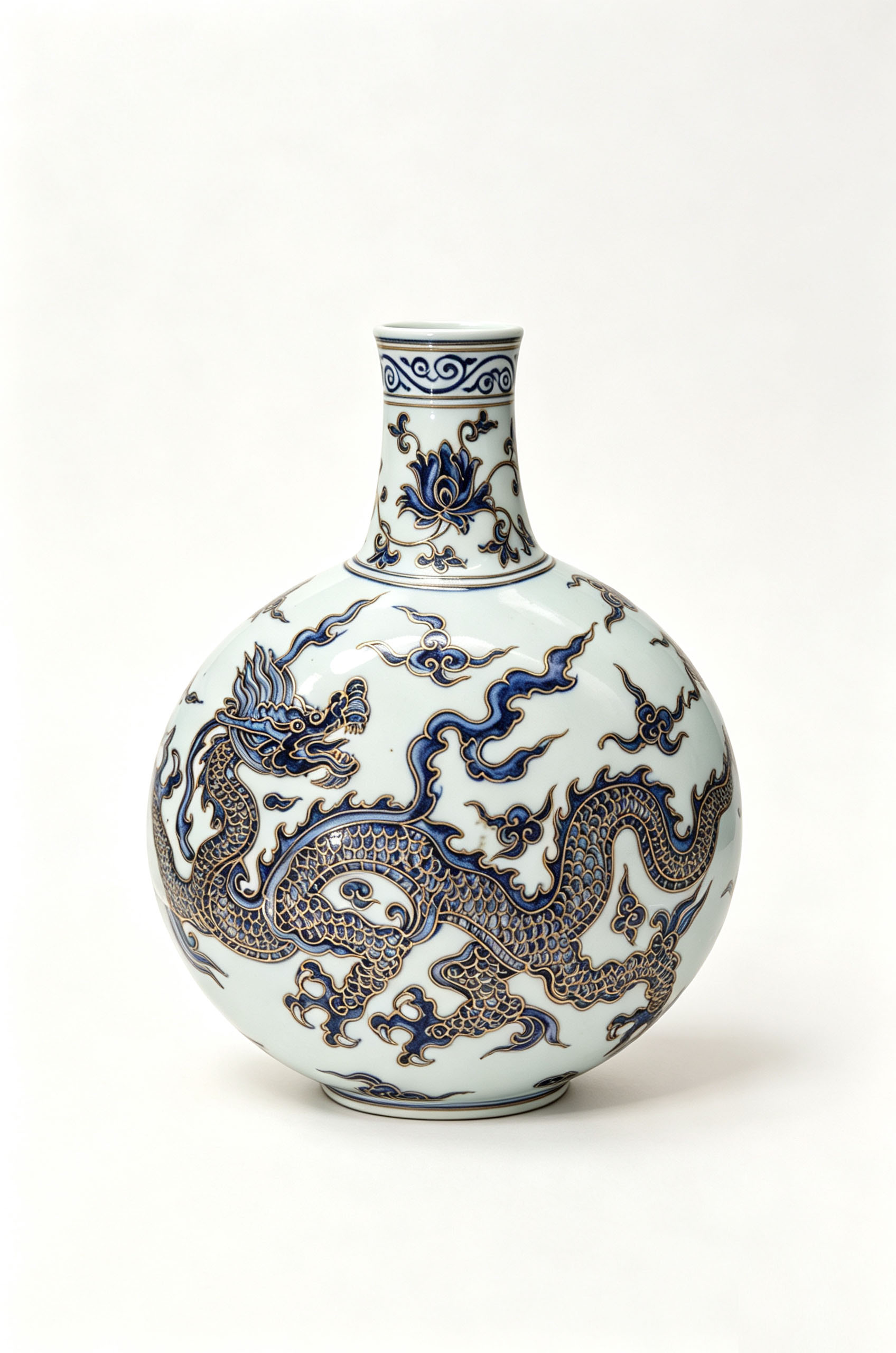
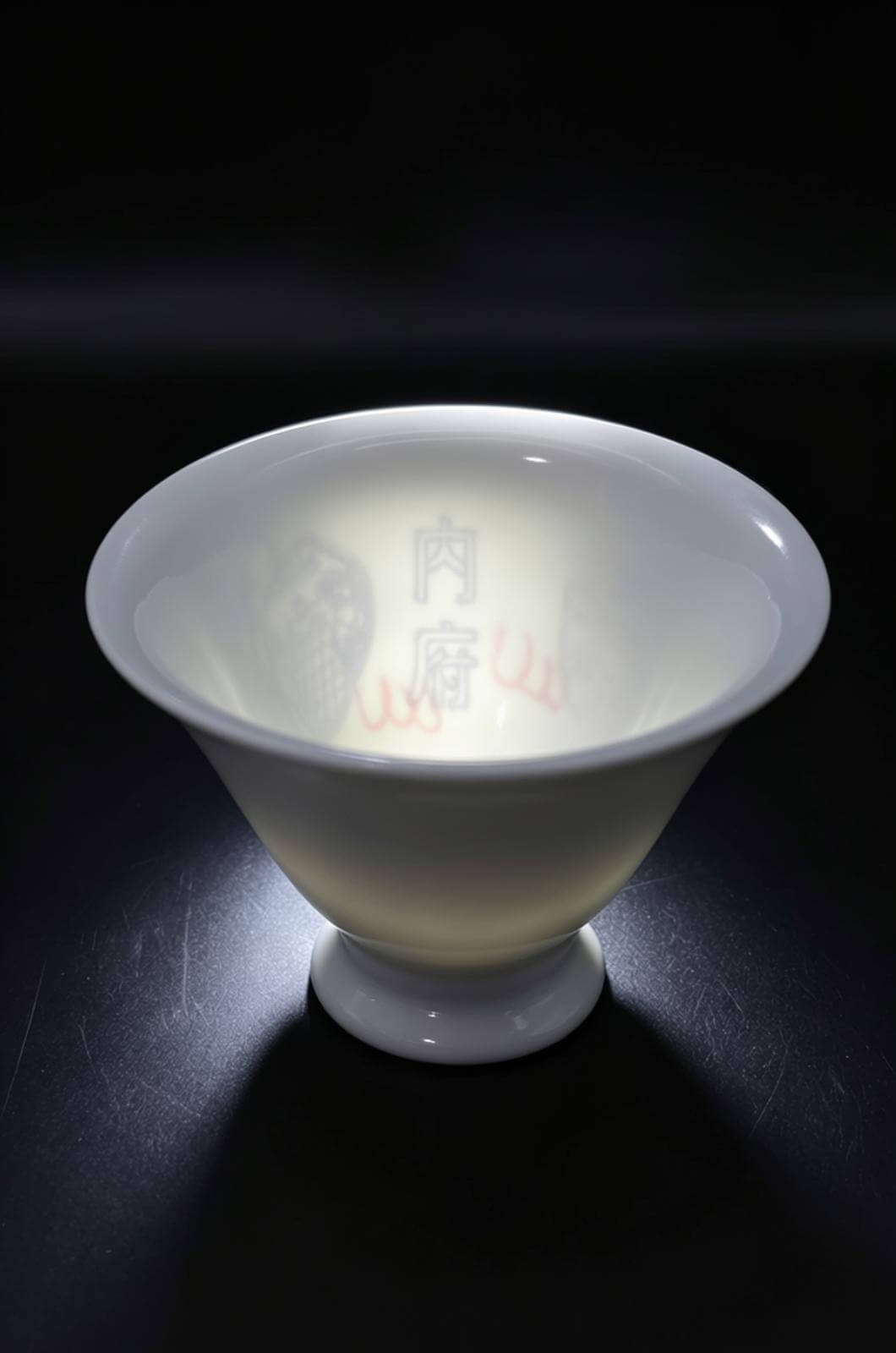
这就是景德镇瓷"薄如纸、白如玉、声如磬"的物质基础。
一条江,把它送向世界
光有原料还不够。瓷器是易碎品,怎么运出去,是个大问题。
景德镇的运气好,有一条昌江。
昌江从北边的安徽发源,穿过景德镇,向南流进鄱阳湖。鄱阳湖连着长江,长江通向大海。一条水路,把景德镇跟整个中国乃至世界连在一起。
瓷器从景德镇装船,顺昌江而下,到鄱阳湖转大船,进长江,再沿运河北上京师,或从广州、泉州出海,销往东南亚、中东、欧洲。
明清时期,景德镇每年出产的瓷器数以百万件计,绝大多数都靠这条水路走出去。
如果没有昌江,景德镇可能只是一座有瓷土的山城。是这条江,把它推向了世界。
松柴烧出的"白"
瓷器的颜色,很大程度上取决于窑火。
柴窑烧瓷,燃料的选择非常关键。松柴的火焰长、温度高、灰分少,烧出来的瓷器釉面干净、白度高,这是景德镇瓷器"白"的又一个秘密。
其他地方也用柴,但用的是杂木或煤。火焰短、灰分多,烧出来的瓷器往往偏黄、偏灰。这不是工匠水平差,是燃料的差别。
景德镇周边的山区盛产松木,几百年下来,整片整片的山林变成了窑火的燃料。直到今天,景德镇最好的瓷器仍然坚持用柴窑烧制——一窑要烧几十个小时,耗掉几吨松柴。
你看一件景德镇的瓷器,看它薄、看它白、看它透。
但别忘了,这些品质的背后——是高岭山的白土,是昌江的水路,是周边山区的松林。
没有这三样,景德镇就不会成为景德镇。
地理决定了它的命运。
In the northeastern corner of Jiangxi province, tucked among mountains, sits a small and unassuming city called Jingdezhen.
It is not coastal. It does not sit on a border. It is not on any major trade route. On a map, it looks almost peripheral.
And yet this mountain town has been making porcelain since the Song dynasty, through the Ming and Qing, and right up to today — a thousand years without stopping.
Why Jingdezhen?
The answer is not people, and not emperors. It is geography.
Three Things, All Essential
What does it take to make porcelain? Simply put, three things: clay, water, and fire.
Jingdezhen had all three.
Clay determines the body, water determines the route, fire determines the firing. All three happened to be in Jingdezhen — and close together.
This was not coincidence. It was a gift of geography.
The Name "Gaoling"
Today the word used across the global ceramics industry — kaolin — comes from a single mountain near Jingdezhen.
In the early eighteenth century, a French missionary named Père d'Entrecolles arrived in Jingdezhen. He wrote two long letters back to Europe describing how porcelain was made. In them, he mentioned a place called "Gaoling" that produced a white clay essential to the craft.
Europeans later called this clay kaolin. To this day, kaolin the world over is named after that small hill in Jiangxi.
The key property of kaolin is its heat resistance.
Ordinary clay begins to soften and deform at around 1000°C. Jingdezhen kaolin withstands above 1300°C. This meant Jingdezhen kilns could fire hotter than anywhere else — and the hotter the firing, the denser the body and the more translucent the glaze.
This is the material foundation of Jingdezhen porcelain: "thin as paper, white as jade, ringing like a chime".
A River That Carried It to the World
Raw material was not enough. Porcelain is fragile — how to move it was a serious problem.
Jingdezhen was lucky. It had the Chang River.
The Chang originates in Anhui to the north, cuts through Jingdezhen, and flows south into Poyang Lake. Poyang connects to the Yangtze, and the Yangtze reaches the sea. One waterway linked Jingdezhen to China — and the world.
Porcelain left Jingdezhen by boat, downstream to Poyang, transferred to larger vessels, then north along the Grand Canal to the capital, or south through Guangzhou and Quanzhou to Southeast Asia, the Middle East, and Europe.
During the Ming and Qing, Jingdezhen produced millions of pieces a year. Almost all of them left along this river.
Without the Chang River, Jingdezhen might have remained a mountain town with good clay. The river is what pushed it onto the world stage.
The "White" That Pine Fire Produced
The colour of porcelain depends heavily on the kiln.
In wood-fired kilns, the choice of fuel matters enormously. Pine has long flames, high heat, and low ash — producing clean glaze and high whiteness. This is another secret behind Jingdezhen porcelain's "white".
Other places also burned wood, but used mixed timber or coal. Shorter flames and more ash produced porcelain that often looked yellow or grey. Not because the craftsmen were less skilled — because the fuel was different.
The hills around Jingdezhen were covered in pine. Over centuries, entire forests were consumed by kiln fires. Even today, the finest Jingdezhen porcelain is still fired in wood kilns — a single firing takes dozens of hours and burns several tonnes of pine.
Look at a piece of Jingdezhen porcelain. See how thin it is, how white, how translucent.
But remember what lies behind those qualities — the white clay of Gaoling Mountain, the waterway of the Chang River, the pine forests of the surrounding hills.
Without these three, Jingdezhen would not be Jingdezhen.
Geography decided its fate.