中国人对玉的执念,是刻在骨子里的。从新石器时代的红山、良渚,到商周、战汉,再到现在——五千年不断。
但你可能不知道:中国最好的玉,不产在中原。
它产在新疆和田,距离中原三四千公里。
那么问题来了:在没有火车、没有公路的三千年前,这块石头是怎么从中亚走到中原的?
玉在和田,玉路在中原
和田玉的产地,在今天新疆和田地区的玉龙喀什河和喀拉喀什河。两条河从昆仑山流下,河里出产籽料,山里出产山料。
从和田到中原,必须穿越塔克拉玛干沙漠、河西走廊、黄土高原。这是一段极难走的路。
这条路线,比张骞通西域早了至少两千年。
比丝绸之路更古老
公元前 138 年,张骞出使西域,开辟了丝绸之路。这是官方文献记载的最早的正式通商路线。
但考古发现告诉我们:在这之前很久,玉石就已经沿着类似路线,从中亚流入中原了。
殷墟妇好墓出土的玉器,经检测大部分是和田玉。而妇好生活在公元前 13 世纪,比张骞早了一千两百年。
也就是说:玉石之路比丝绸之路早至少一千年。
学者们把这条路线叫做"玉石之路"或"昆山玉路",认为它才是中原与西域之间最早、最持续的交通线。
运玉比运丝绸难得多
为什么玉石之路这么难走?
因为玉太重了。
一块几十公斤的和田玉料,需要几十匹骆驼或马匹才能运输。中途要穿过沙漠、翻过雪山、跨过河流。走一趟,可能几个月甚至一年。
丝绸轻,一卷几两重,一匹骆驼能驮很多卷,利润还高。相比之下,运玉是一笔重资产、高风险、长周期的生意。
但中国人愿意做。因为从商代开始,玉就被认为是通神之物,是身份、权力、德行的象征。帝王祭祀用玉、诸侯朝聘用玉、贵族随葬用玉。这种需求,支撑了整条玉石之路三千年。
玉料的三种形态
运到中原的和田玉,主要分三种:
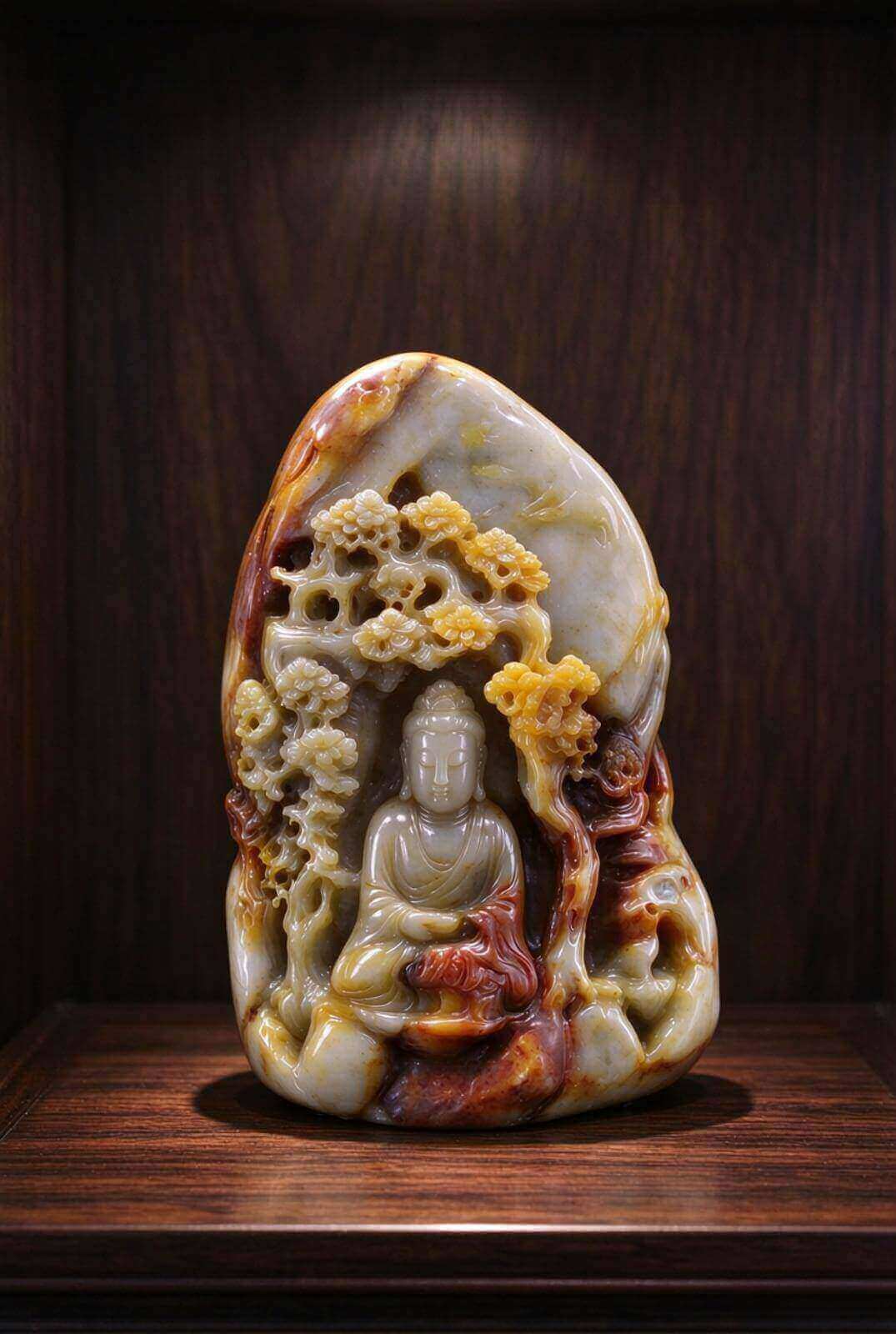
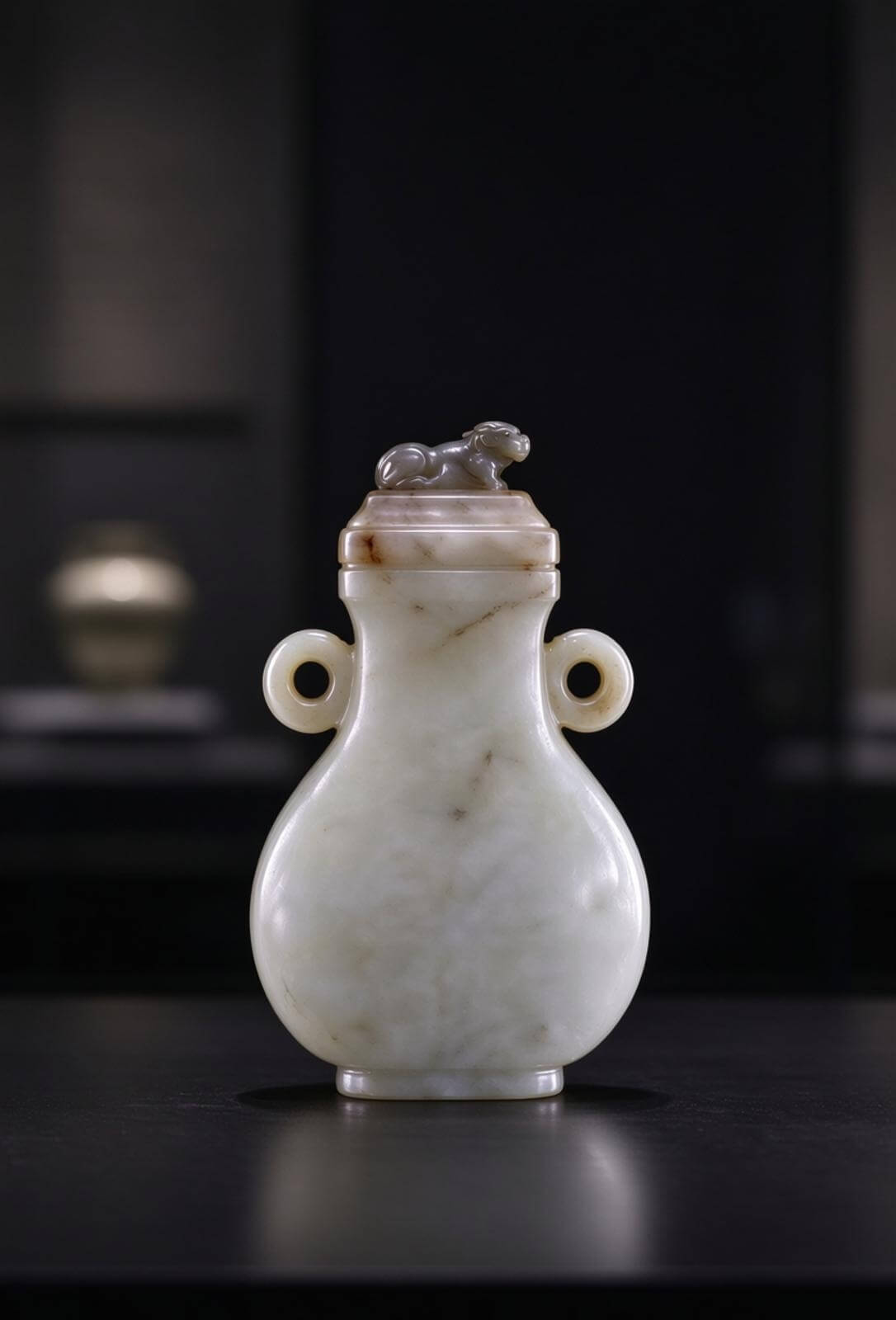
籽料——在河里冲刷千百万年形成的卵石,圆润、皮色好、油性足。最珍贵。
山料——从山上直接开采的矿石,块大、棱角分明、油性略逊。
山流水——介于两者之间,从山上滚落到河床上游,尚未完全冲刷圆润。
三种料在河里的位置不同,交易方式也不同。籽料最贵,因为最稀缺、最美。山料便宜,因为可以批量开采。
今天我们判断和田玉的好坏,第一个看的就是它是籽料还是山料——这个标准,从唐代就开始形成了。
一块和田玉,从昆仑山走到中原,可能需要几个月。
到了工匠手里,再被雕刻成器,又是一个月。
最后埋进土里,一千年后才被挖出来——现在放在博物馆的展柜里,或者某位藏家的手中。
它的旅程,比丝绸之路更长,比许多王朝更久。
The Chinese obsession with jade runs deep. From the Neolithic Hongshan and Liangzhu cultures, through the Shang, Zhou, and Han dynasties, right to the present — five thousand years unbroken.
But here is something you may not know: China's finest jade does not come from the Central Plains.
It comes from Hetian in Xinjiang — three to four thousand kilometres away.
So here is the question: three thousand years ago, with no railways and no highways, how did this stone travel from Central Asia to the Central Plains?
Jade in Hetian, Road in the Plains
Hetian jade comes from the Yurungkash River and Karakash River in today's Hetian region of Xinjiang. Both flow down from the Kunlun Mountains — the rivers yield seed jade, the mountains yield mountain jade.
From Hetian to the Central Plains, the route must cross the Taklamakan Desert, the Hexi Corridor, and the Loess Plateau. It is one of the hardest journeys on earth.
This route predates Zhang Qian's opening of the Western Regions by at least two thousand years.
Older Than the Silk Road
In 138 BC, Zhang Qian was sent west, opening what we now call the Silk Road. It is the earliest officially documented formal trade route.
But archaeology tells us something else: long before Zhang Qian, jade was already flowing from Central Asia into the Central Plains along a similar route.
Jade objects excavated from the tomb of Fu Hao at Yinxu — a Shang-dynasty noblewoman who lived in the thirteenth century BC — have been identified as mostly Hetian jade. That is 1,200 years before Zhang Qian.
In other words: the jade road is at least a thousand years older than the Silk Road.
Scholars call this route the "Jade Road" or "Kunlun Jade Route", and consider it the earliest and most continuous link between the Central Plains and the Western Regions.
Moving Jade Was Much Harder
Why was the Jade Road so difficult?
Because jade is heavy.
A single block of Hetian jade weighing dozens of kilograms might require dozens of camels or horses. The route crossed deserts, snow mountains, and rivers. A single trip could take months, sometimes a year.
Silk is light — a bolt weighs next to nothing, one camel can carry many bolts, and the margins are good. Moving jade, by contrast, is a heavy-asset, high-risk, long-cycle business.
But the Chinese were willing. From the Shang dynasty on, jade was considered a medium for communicating with the divine — a symbol of status, power, and virtue. Emperors used it in sacrifices, feudal lords used it in diplomacy, nobles used it in burials. That demand sustained the Jade Road for three thousand years.
Three Forms of Jade Material
Hetian jade reaching the Central Plains came in three main forms:
Seed jade — pebbles polished by millions of years in riverbeds. Rounded, with good skin and rich oiliness. The most prized.
Mountain jade — ore mined directly from the mountains. Large blocks, sharp edges, slightly less oiliness.
River-slope jade — in between: fallen from the mountains into upper riverbeds, not yet fully rounded.
The three forms are found in different positions along the river, and traded differently. Seed jade is the most expensive — scarcest and most beautiful. Mountain jade is cheaper because it can be mined at scale.
Today, when we judge Hetian jade, the first question is: seed or mountain? That standard began forming as early as the Tang dynasty.
A piece of Hetian jade might take months to travel from the Kunlun Mountains to the Central Plains.
In the hands of a craftsman, another month to become an object.
Then buried in the earth, unearthed a thousand years later — now in a museum case, or in the hands of a collector.
Its journey is longer than the Silk Road, and older than many dynasties.